Welcome to
Explore Homes and Lifestyle in Roscoe Village, IL
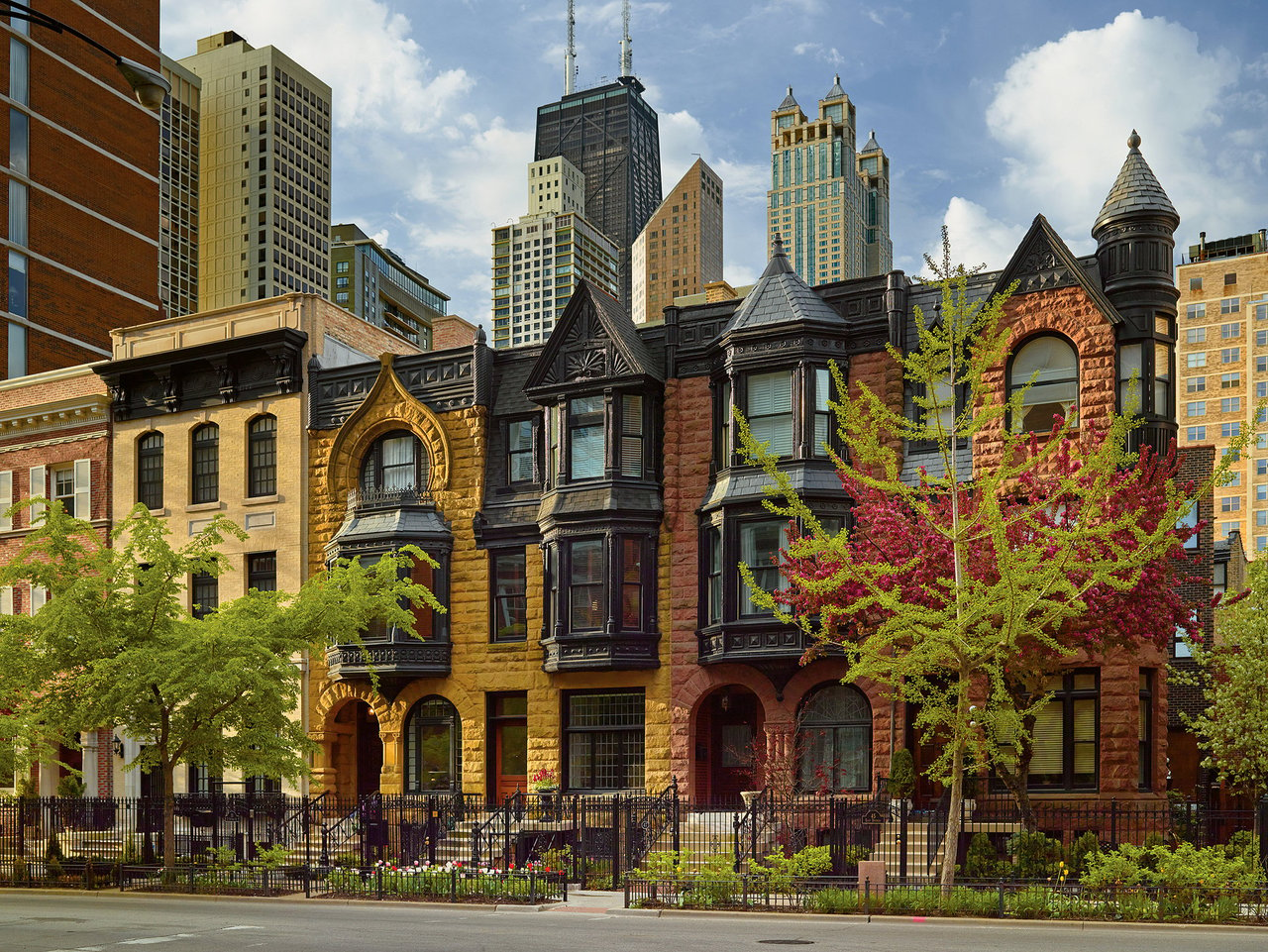
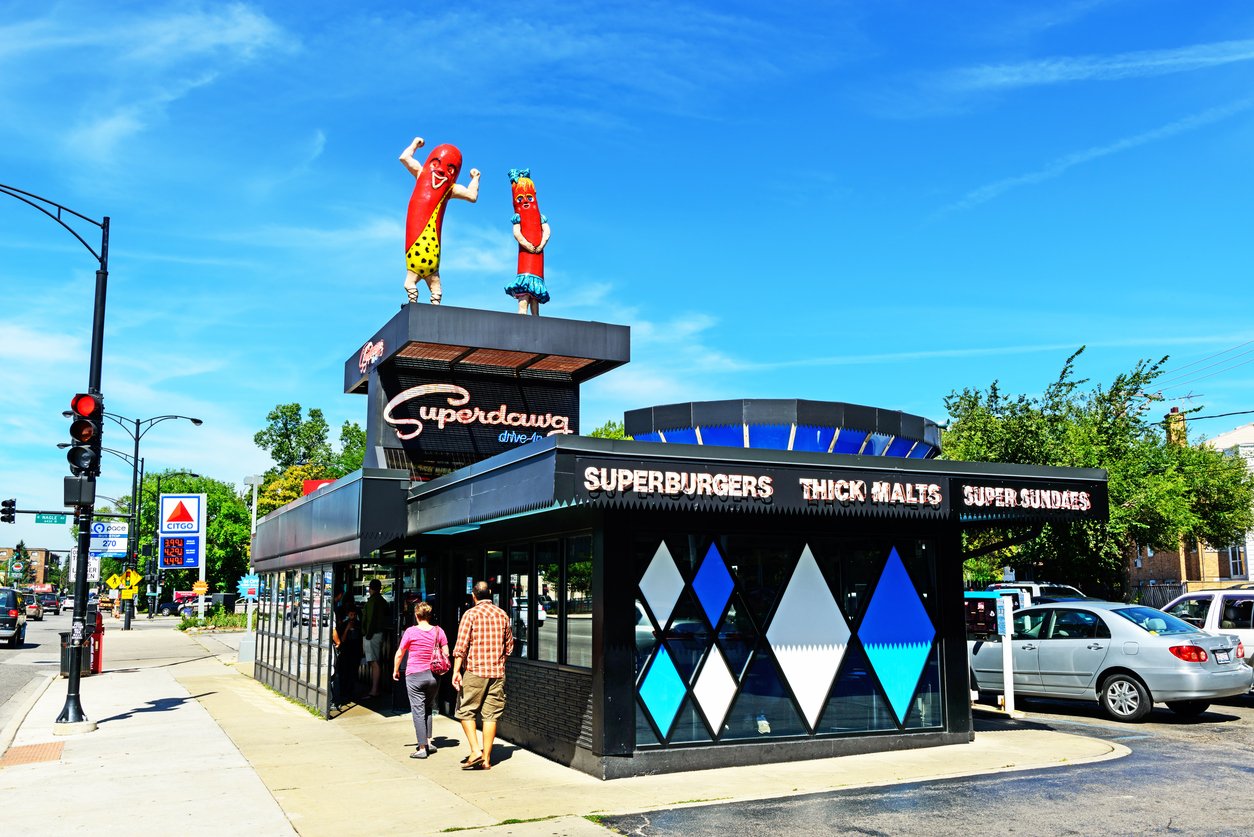
A village in the city — a walkable Roscoe Street strip, Hamlin Park, and single-family homes and two-flats on residential blocks.
11,229 people live in Roscoe Village, where the median age is 33 and the average individual income is $92,607. Data provided by the U.S. Census Bureau.
Total Population
Median Age
Population Density
Average individual Income
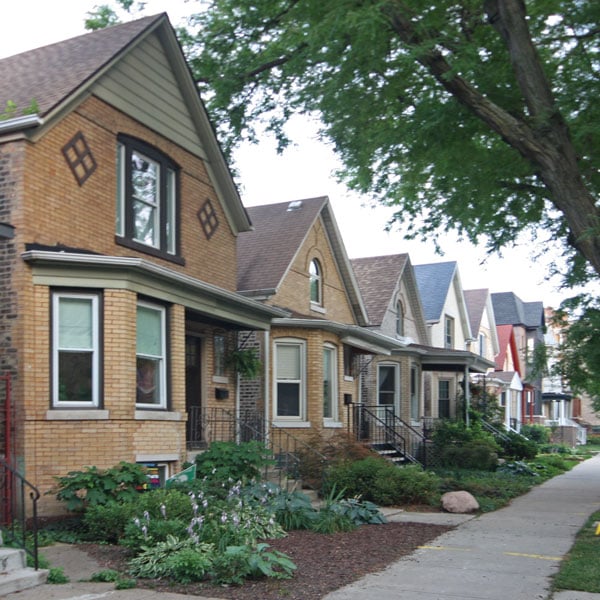
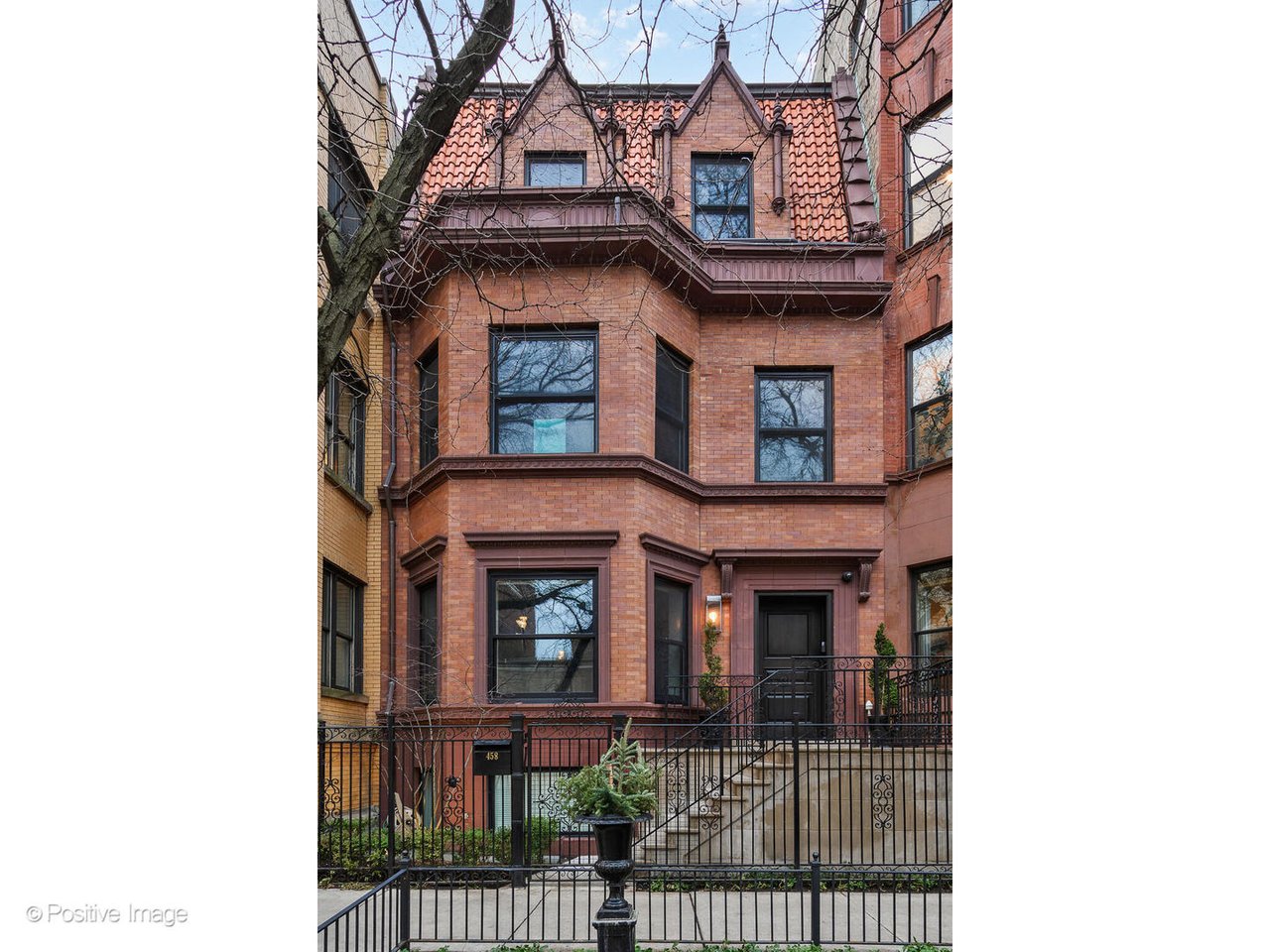
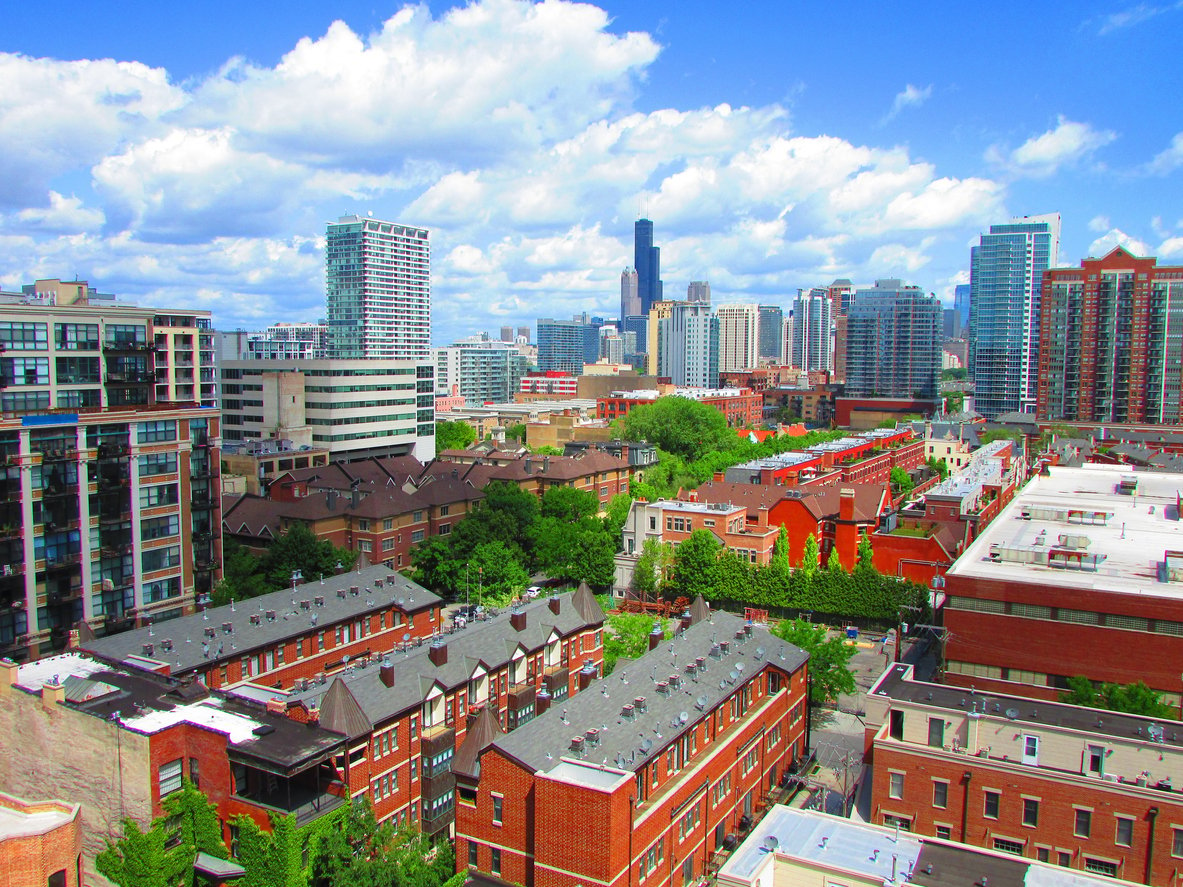
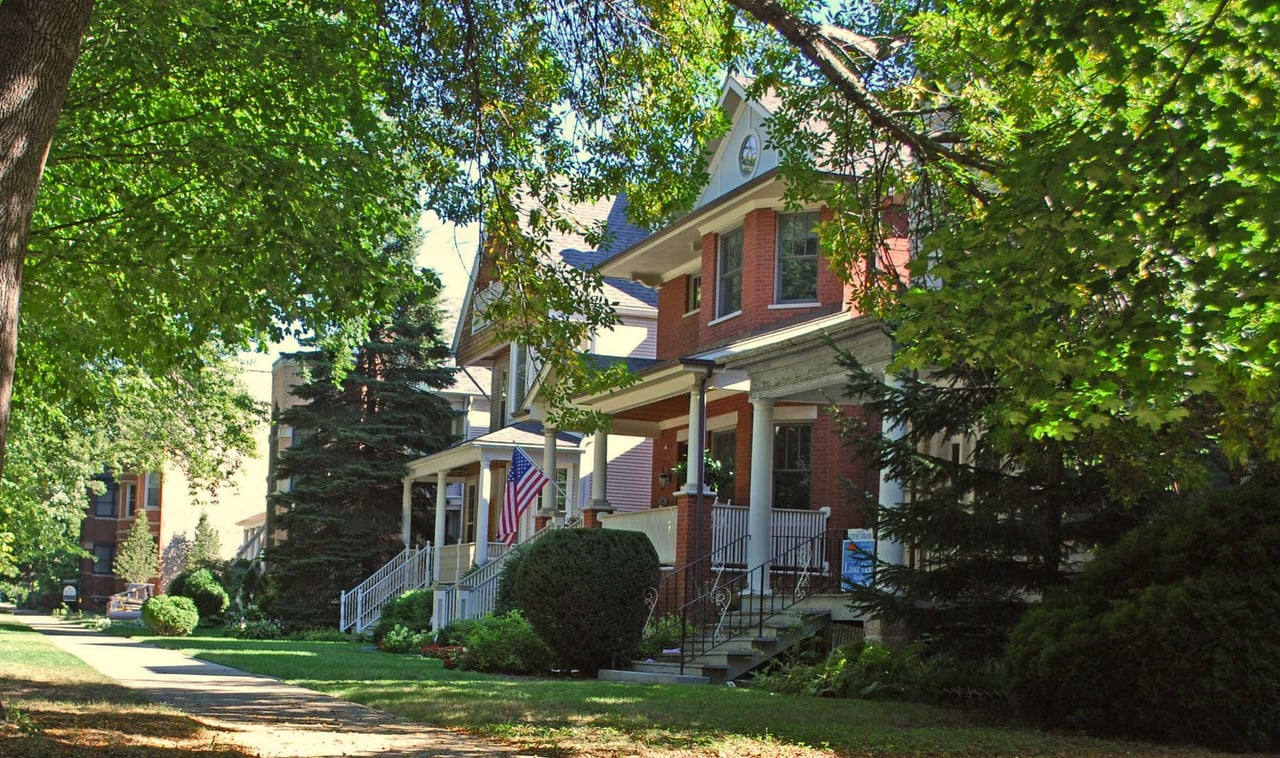
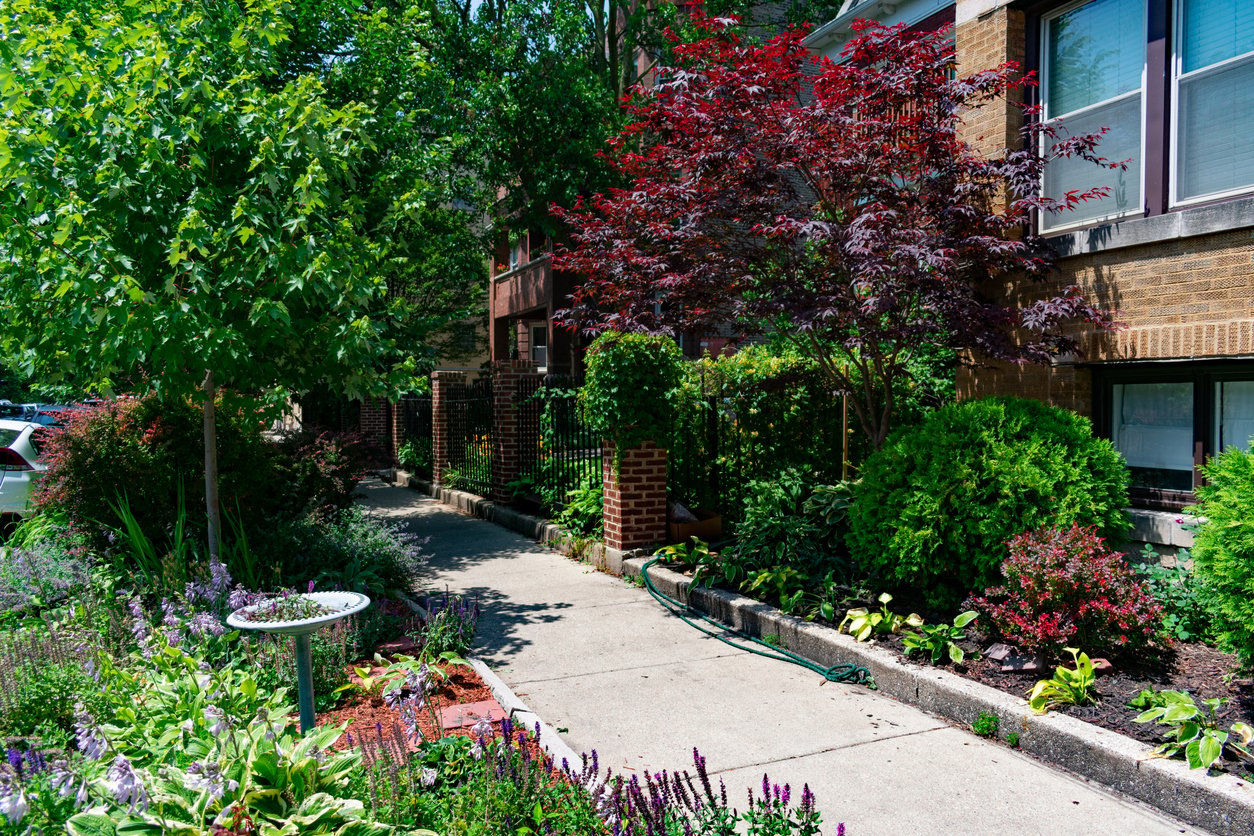
Roscoe Village is a compact North Side pocket about six miles northwest of downtown Chicago, best known by the nickname locals have used for decades: the Village in the City. It reads as quieter and more residential than almost anything else this close to Lakeview — tree-lined side streets, brick worker cottages and two-flats, and a genuinely walkable main street where the retail is independent rather than national.
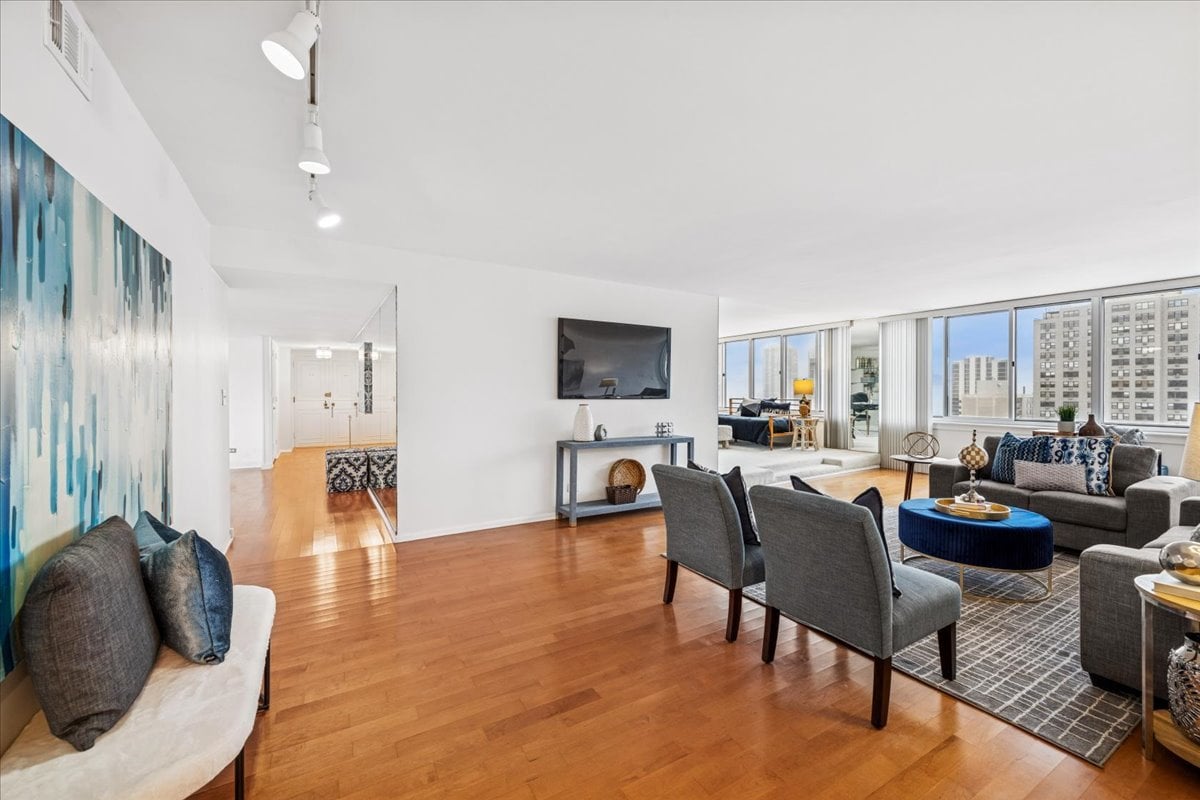
Median home prices generally land between $700,000 and $750,000, but that blended figure hides a wide spread. Vintage condos and smaller entry points run roughly $350,000 to $650,000, while single-family homes and new luxury infill typically command $1.3M to $2.5M and up. It's a neighborhood that suits young families, established professionals, dog owners, and buyers who want a residential street to come home to without giving up quick access to the rest of the city.
Roscoe Village doesn't have official city boundaries — it's a pocket within the larger North Center community area, and where you draw the lines depends on whether you're looking at a real estate map or asking a neighbor. The commonly accepted box runs from Addison Street on the north to Belmont Avenue (sometimes stretched south to Diversey) on the south, with Ravenswood Avenue or Damen Avenue forming the eastern edge and the Chicago River, near Western Avenue, closing it on the west.
Buyers should know that this ambiguity has practical consequences. A listing marketed as Roscoe Village may sit north of Addison or east of Damen, and the difference can affect school attendance area, price per square foot, and resale story. Always verify the actual address against CPS boundaries rather than trusting the listing headline.
The relationship to North Center and Lakeview matters just as much. Roscoe Village functions as North Center's southern anchor and shares its top-tier school draw and residential calm. To the east, across Ravenswood and Damen, sits Lakeview — denser, louder, and home to Wrigley Field and the Southport Corridor. Roscoe Village gives you walking access to all of that while letting you retreat to a street where the loudest thing on a Tuesday night is someone's dog.
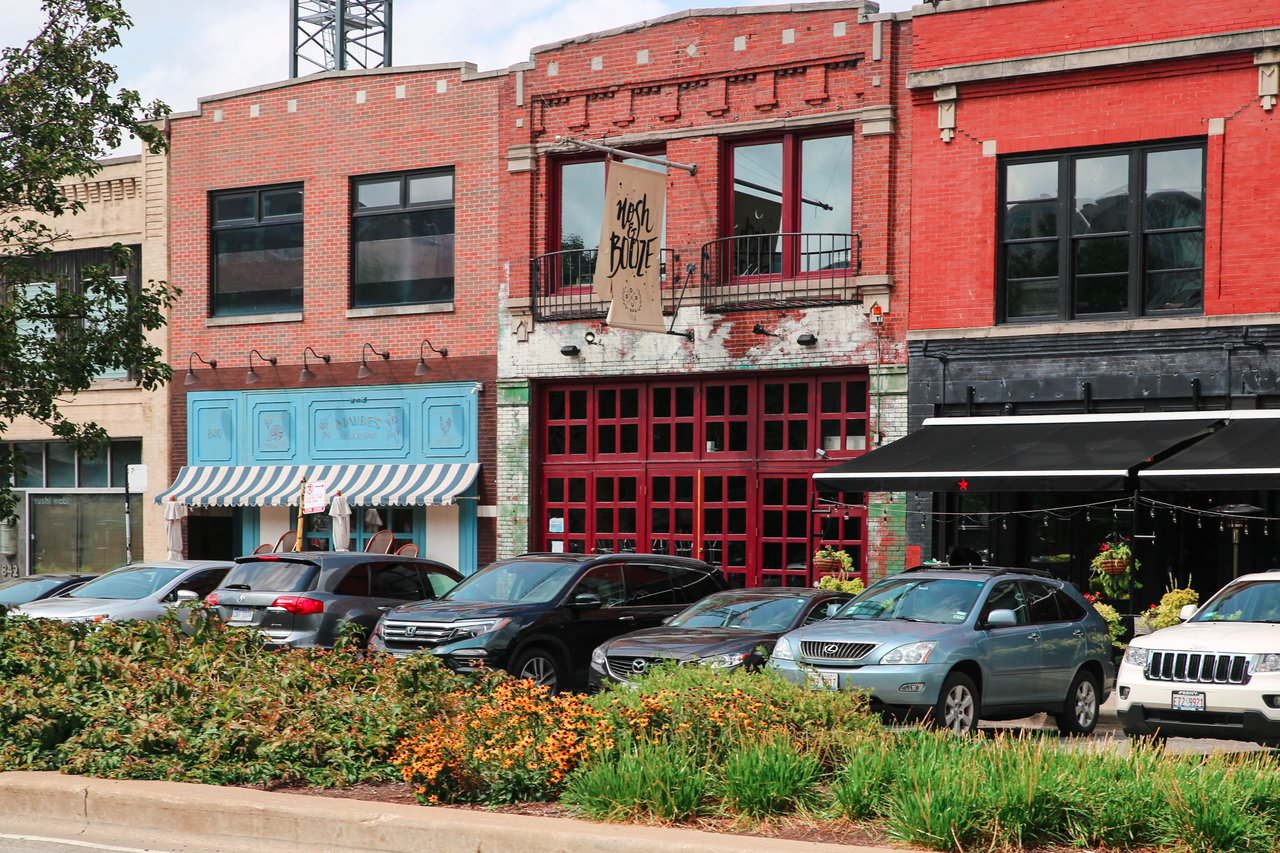
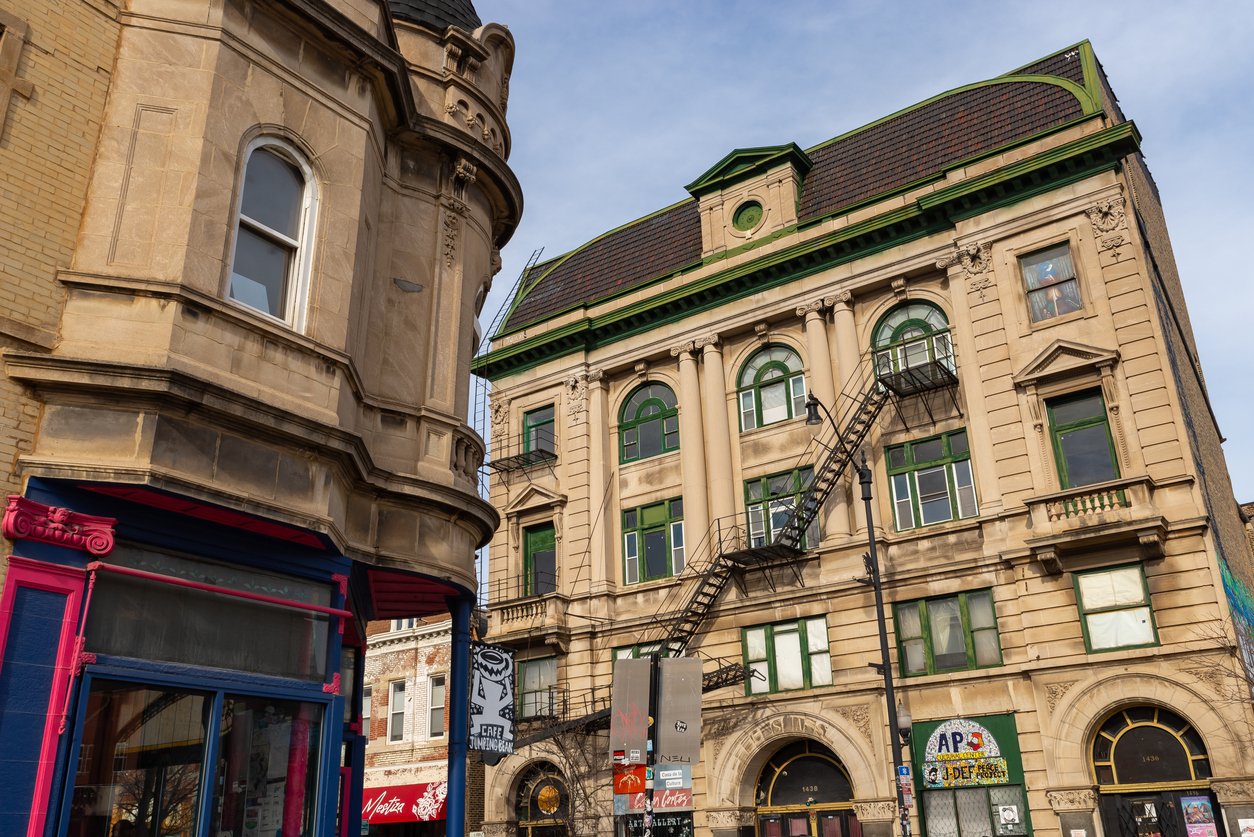
The nickname isn't marketing copy. Roscoe Village earns it through scale: low-rise brick storefronts, patios that spill onto the sidewalk, and a commercial strip short enough to walk end to end in fifteen minutes. You start recognizing faces quickly here — the bartender at the corner tavern, the same parents at the playlot, the shop owner who knows your dog's name.
The demographic skews family-heavy and pet-heavy. Strollers are everywhere on weekend mornings. Block parties are a real institution rather than an occasional novelty, and annual traditions like Retro on Roscoe pull the whole neighborhood onto the same six blocks of pavement.
The trade-off is worth naming honestly: this is not a nightlife neighborhood. If you want to walk to a dozen late bars, Lakeview is east of you and you'll be visiting rather than living there. Roscoe Village trades intensity for continuity, and most people who buy here are buying exactly that.
This is a premium, supply-constrained market. The neighborhood's small geographic footprint means there simply isn't much to buy in any given month, and owners tend to stay long-term — often through their children's school years — which keeps turnover low and competition high.
Metric | Range | What It Means |
|---|---|---|
Median home price | ~$725,000 | Blended across vintage condos and luxury single-family |
Condos & townhomes | $350,000 – $650,000 | 1–2 bed vintage brick units up to 3-bed duplex-downs |
Single-family homes | $1.3M – $2.5M+ | Updated cottages, frame homes, new luxury infill |
Average days on market | 15 – 35 days | Well-priced turn-key properties often go under contract in under two weeks |
Inventory | Low / tight | Bidding wars common in peak spring months |
A practical read on the numbers: the gap between the condo band and the single-family band is the single most important thing for buyers to understand here. There is relatively little in the $700K–$1.2M middle, which means a buyer's budget often determines their property type before it determines their street. Sellers, meanwhile, benefit from that same scarcity — a well-prepared three-bedroom duplex-down or a rehabbed cottage tends to draw multiple offers when timed to the spring market.
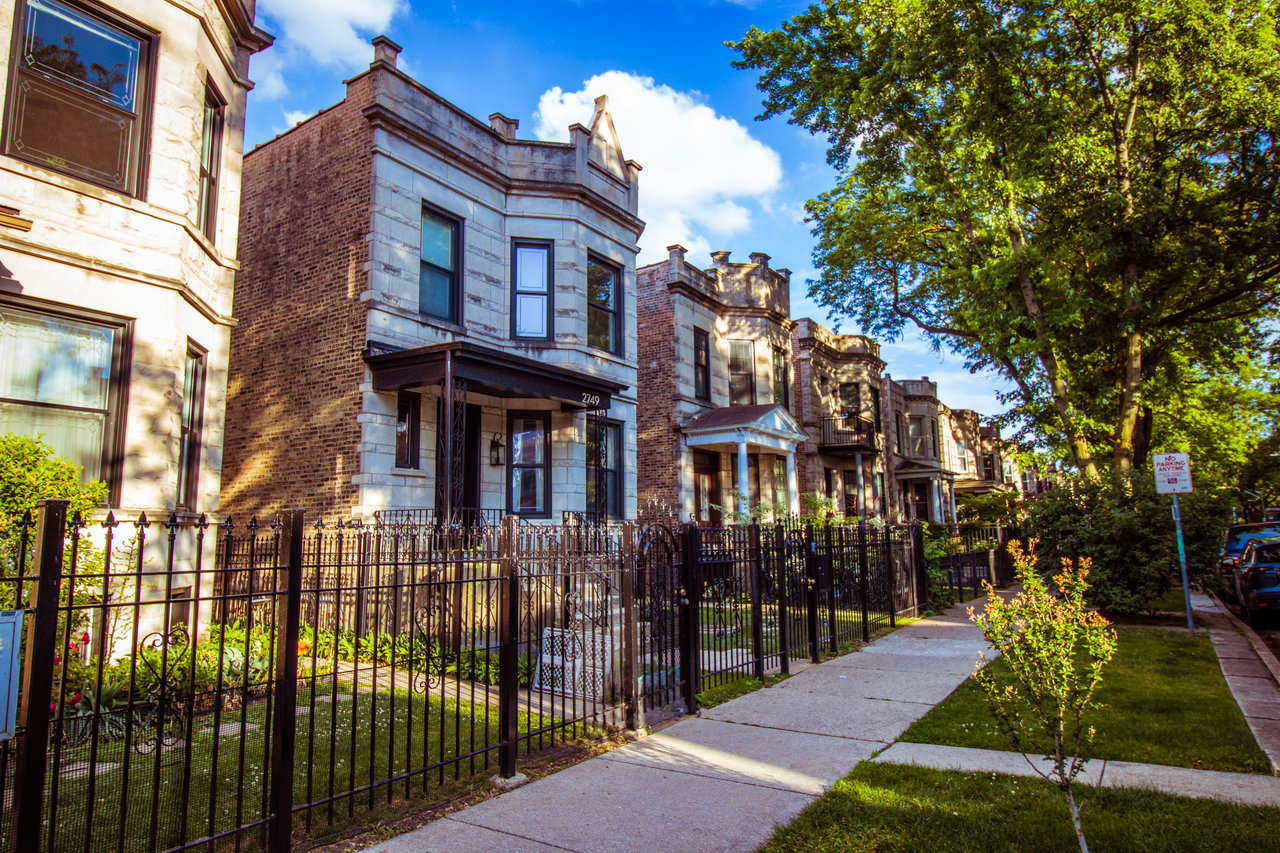
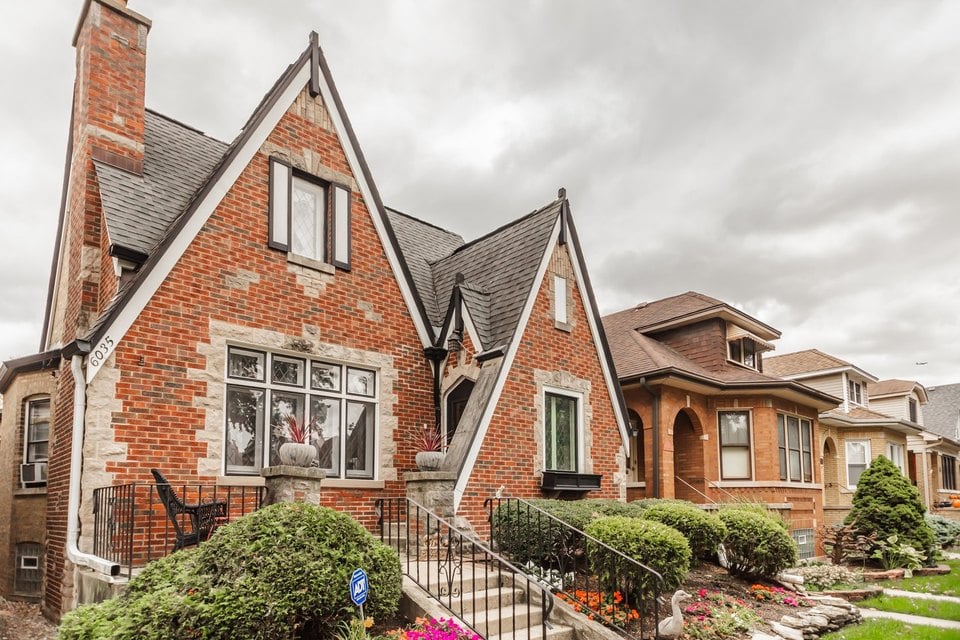
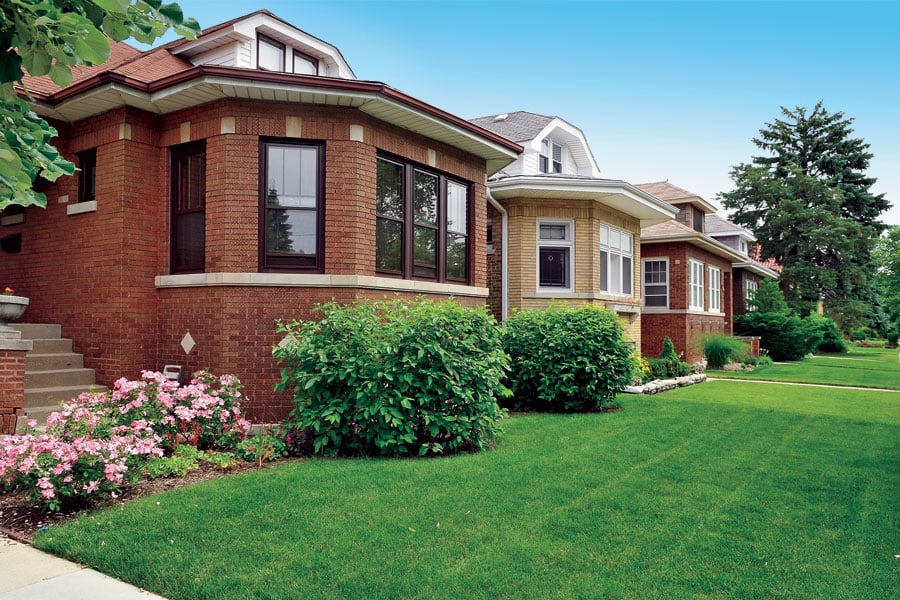
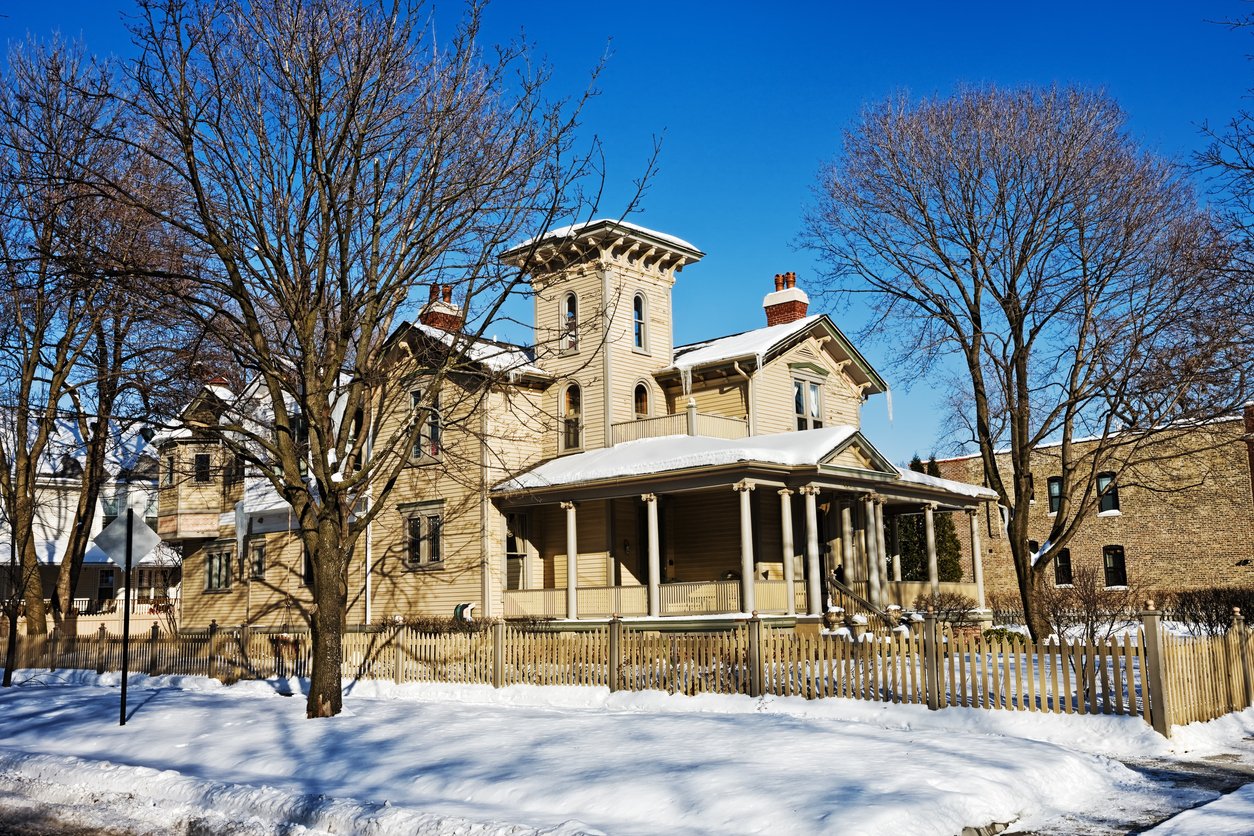
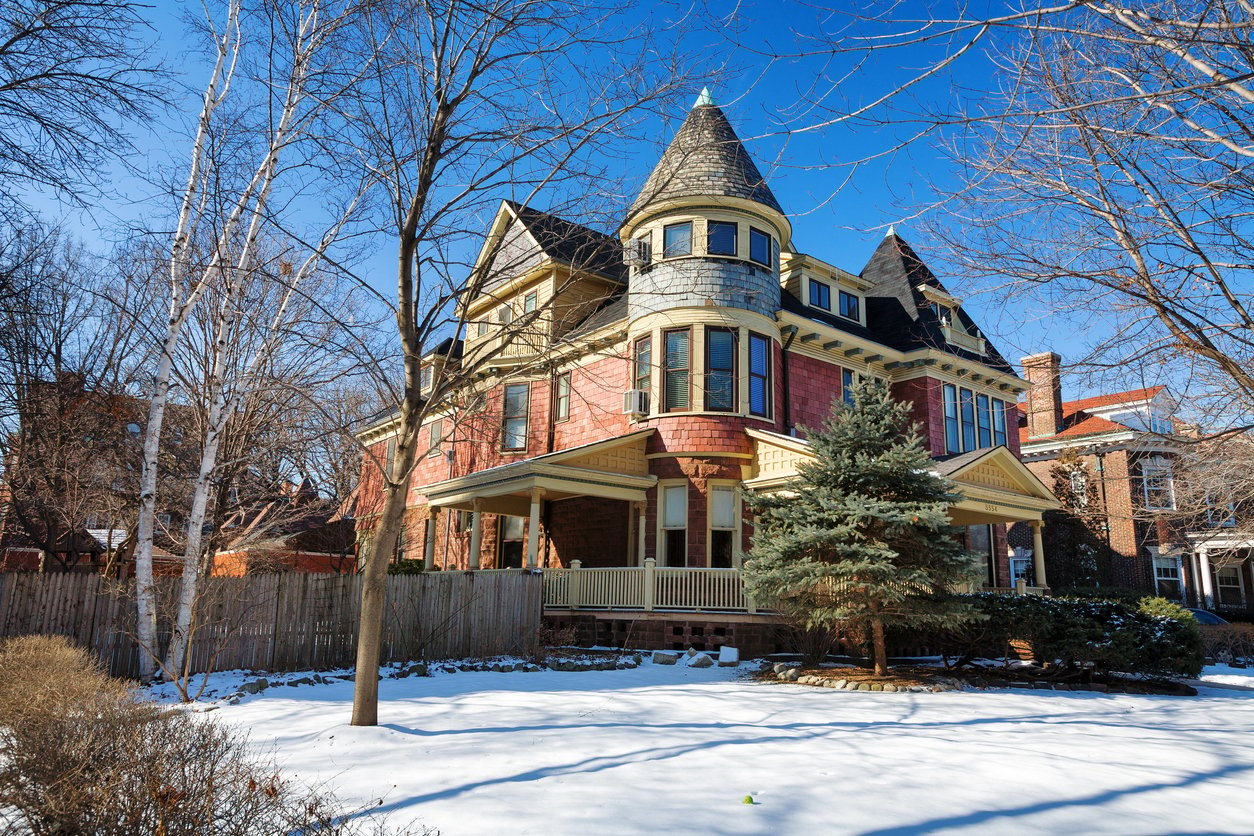
The housing stock tells the story of a late-1800s working-class pocket that gentrified without being flattened.
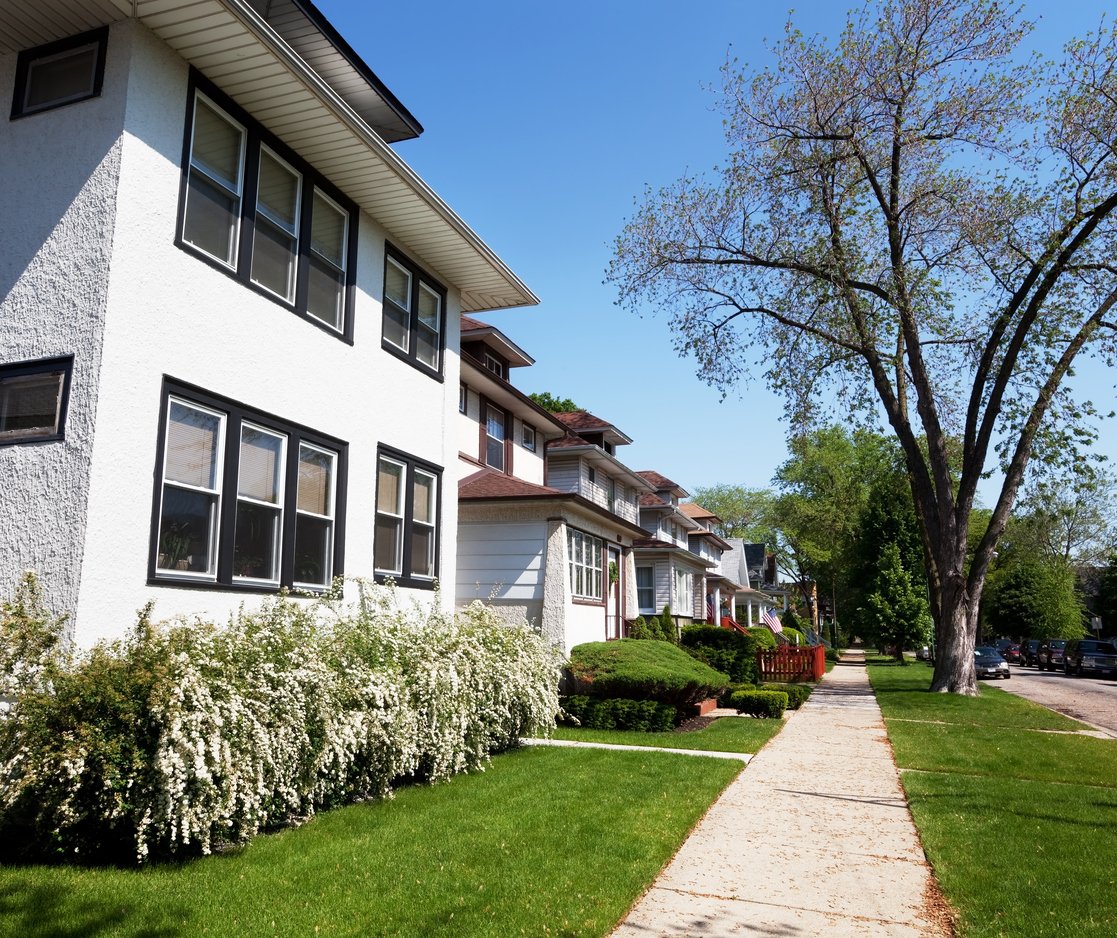
Worker cottages are the signature. These 1.5-story frame homes date to the late nineteenth century and still define the streetscape. Many have been expanded with dormer additions or full vertical pop-tops that add square footage while keeping historic exterior proportions. They're charming, but buyers should budget for inspection scrutiny on foundations, knob-and-tube remnants, and older mechanicals.
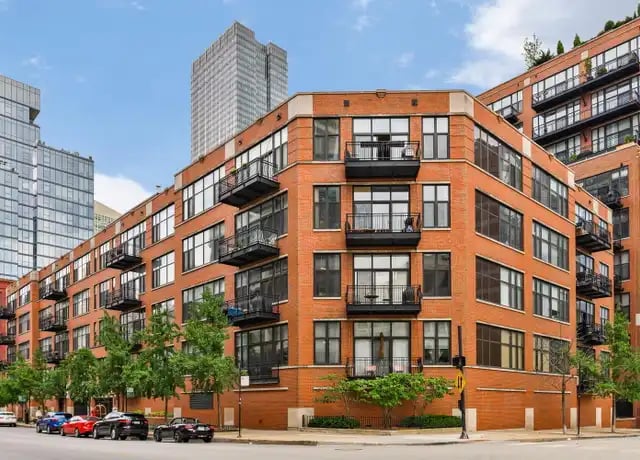
Brick two- and three-flats line the side streets. Traditionally income properties, a large share have been converted into single-family homes or carved into spacious duplex-down and duplex-up condominiums. If you want outdoor space and square footage at a condo price point, a duplex-down in a converted two-flat is usually the strongest value in the neighborhood.
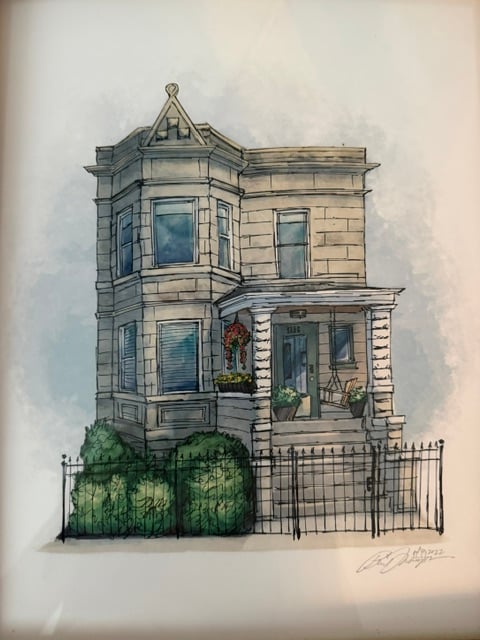
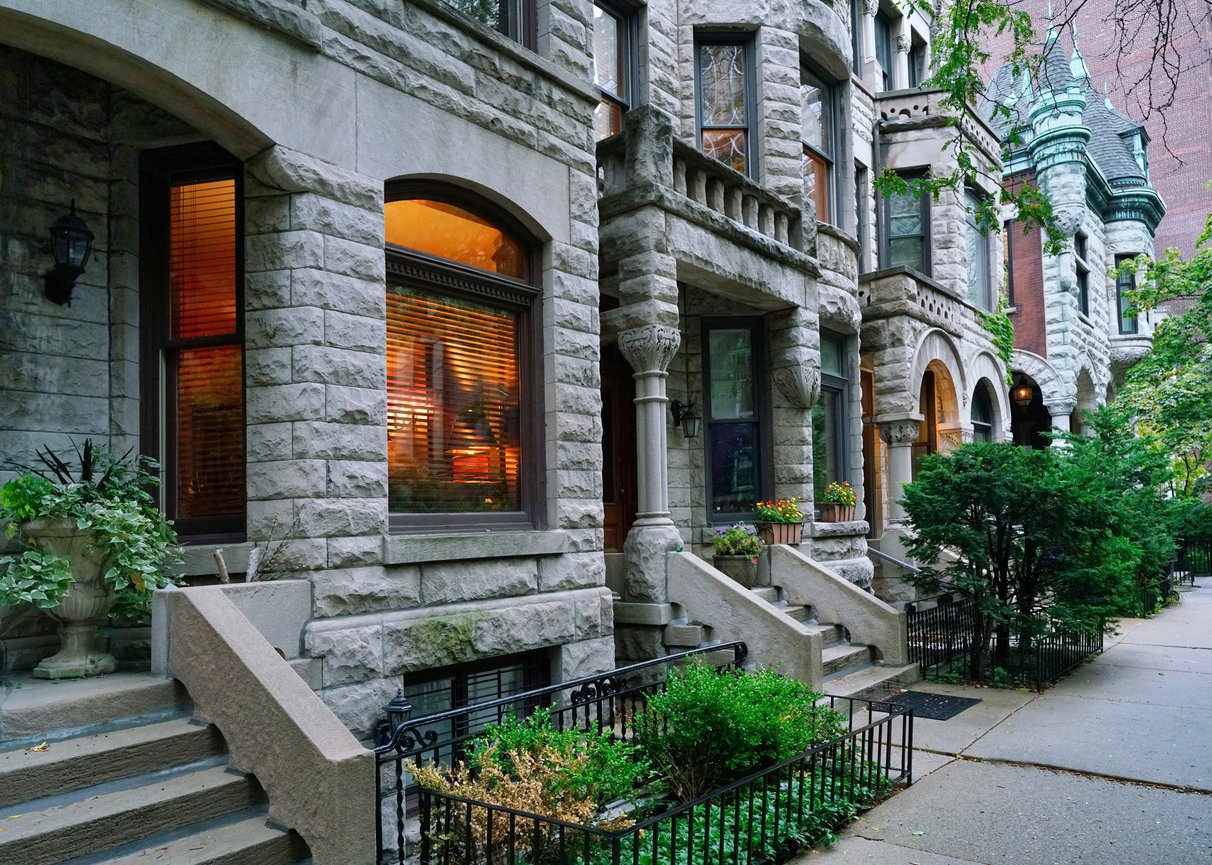
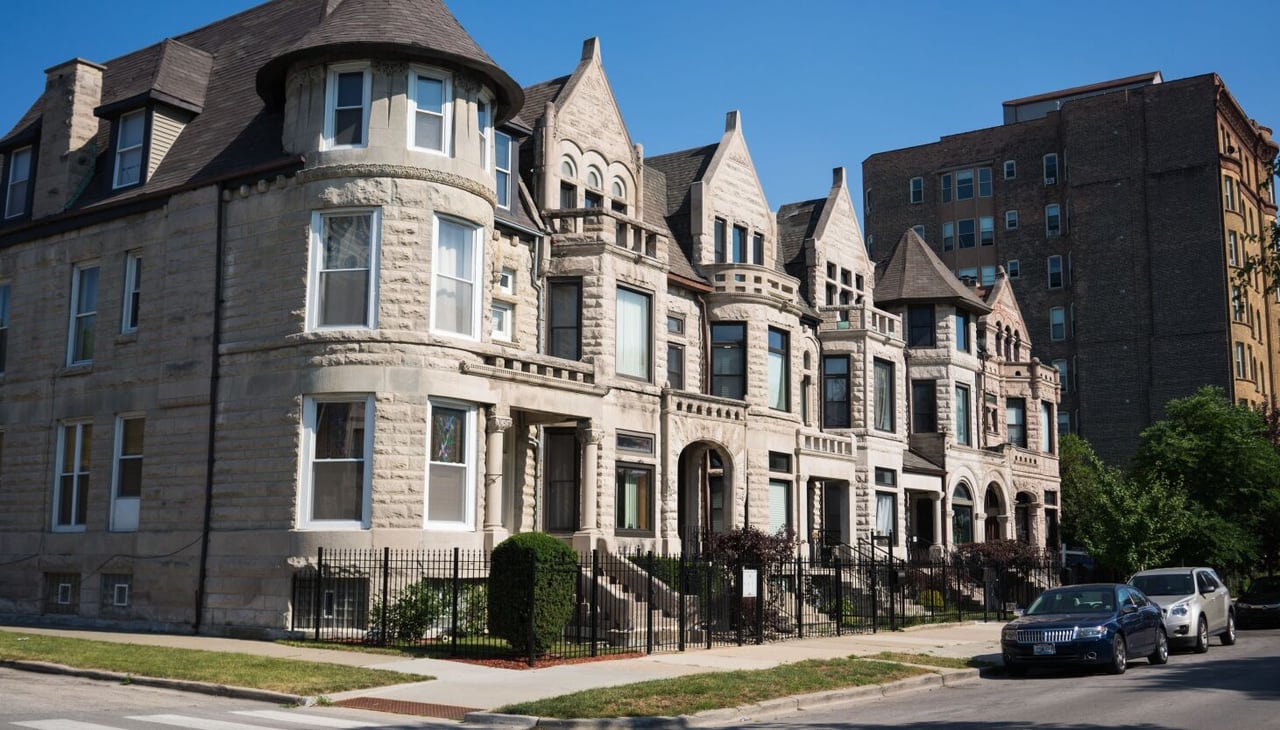
Greystones appear here in smaller numbers than in Lakeview or Lincoln Park, but a handful of limestone-fronted buildings anchor key corners and avenues.
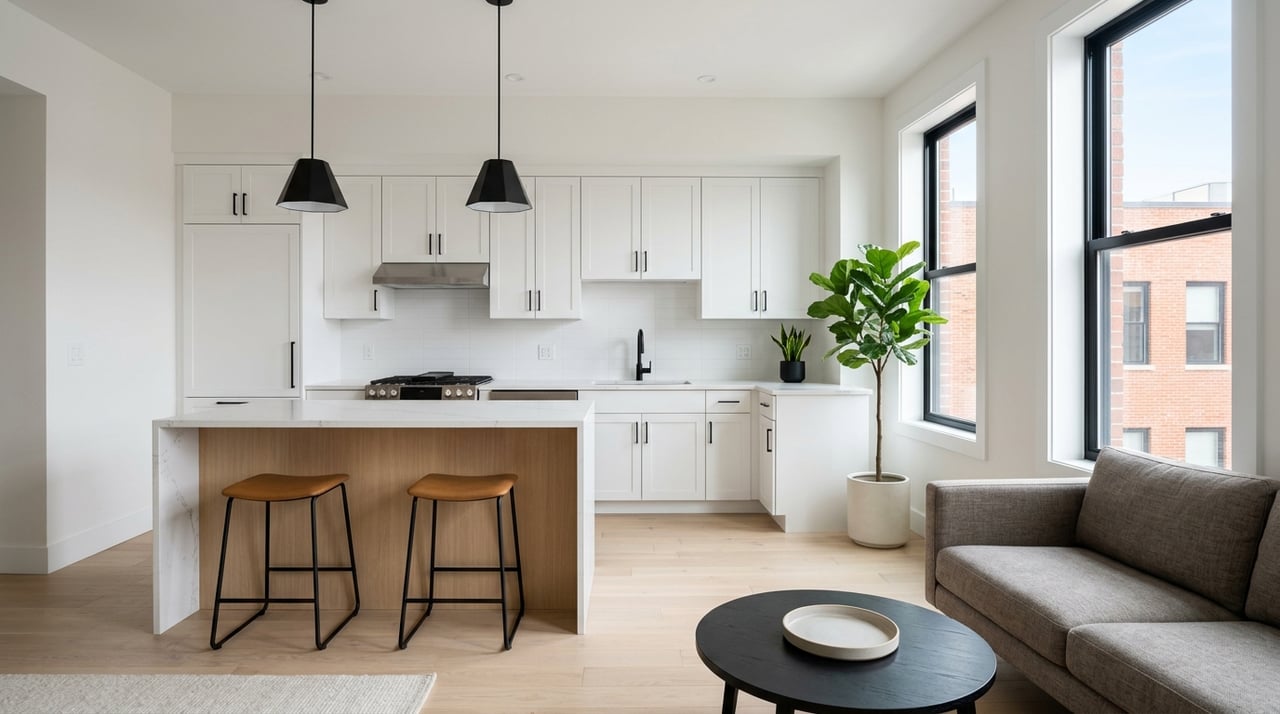
Gut rehabs are common: brick two-flats and frame cottages stripped to the studs, then rebuilt with open floor plans, chef's kitchens, and modern systems behind a preserved facade. Quality varies enormously between developers, which is where local knowledge of who built what earns its keep.
New-construction single-family drives the top of the market. Developers replace aging stock with 4,000 to 5,000+ square foot masonry homes, typically five to six bedrooms with rooftop decks over detached two-car garages. These are the $2M+ sales, and they set the ceiling the rest of the market gets measured against.
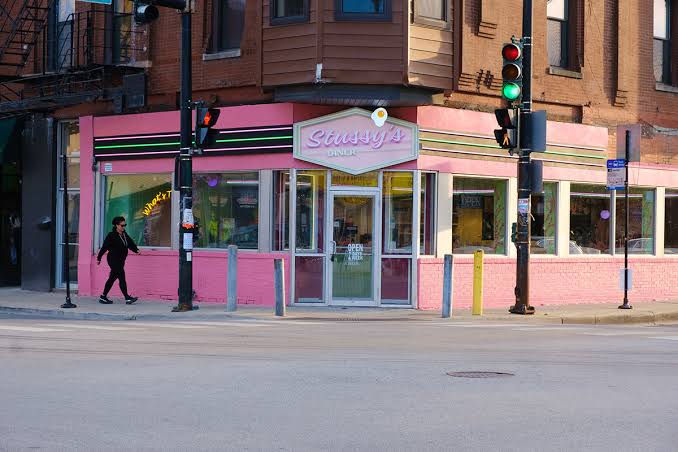
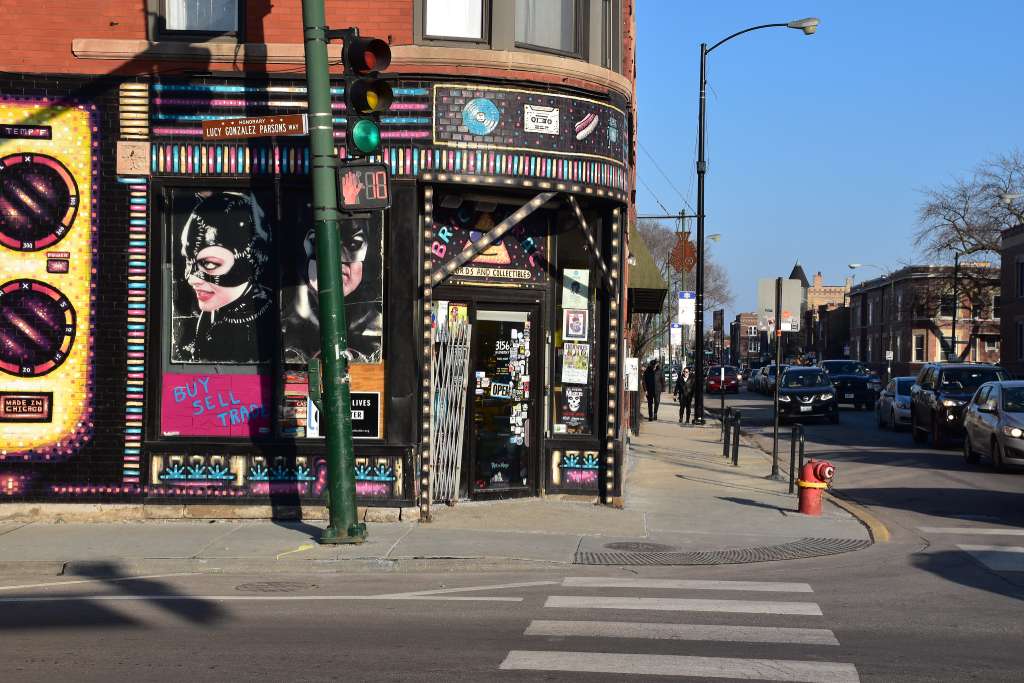
Roscoe Street is the commercial spine, running primarily between Damen and Western. What makes it unusual for Chicago is what isn't there: almost no big-box chains. The strip has held onto independently owned retail in a way most North Side corridors haven't.
Apparel is well represented by The Denim Lounge, with casual menswear and womenswear, and Cinnamon Boutique for on-trend women's apparel and accessories. The block also punches far above its weight on books — RoscoeBooks operates as a general independent bookstore, while The Last Chapter Book Shop is a romance-focused indie, an unusually specific pairing for a six-block stretch. Moondance covers home decor and gifts, and Kickin' serves the neighborhood's maternity and baby demand directly.
Long-standing specialty shops round it out: Good Old Days Antiques deals in architectural salvage, stained glass, and vintage furniture, and food-and-drink purveyors like Maison Pasquale for European provisions and Lush Wine & Spirits keep daily errands walkable.
The dining scene here is built around neighborhood regulars, back patios, and sidewalk seating rather than destination reservations.
For brunch and casual daytime eating, Kitsch'n on Roscoe is the institution — a retro '70s-themed diner with playful comfort food and a lively weekend crowd. Same Same handles quick, casual Thai street food.
For dinner, Turquoise Restaurant is the longtime fixture, serving Turkish-Mediterranean dishes, handmade mezes, and family-style Sunday brunch. Le Sud offers Southern French Mediterranean fare with a rooftop patio that's one of the better warm-weather seats in the neighborhood. Volo Restaurant Wine Bar is known for a deep boutique wine list, small plates, and a year-round cabana-style garden patio.
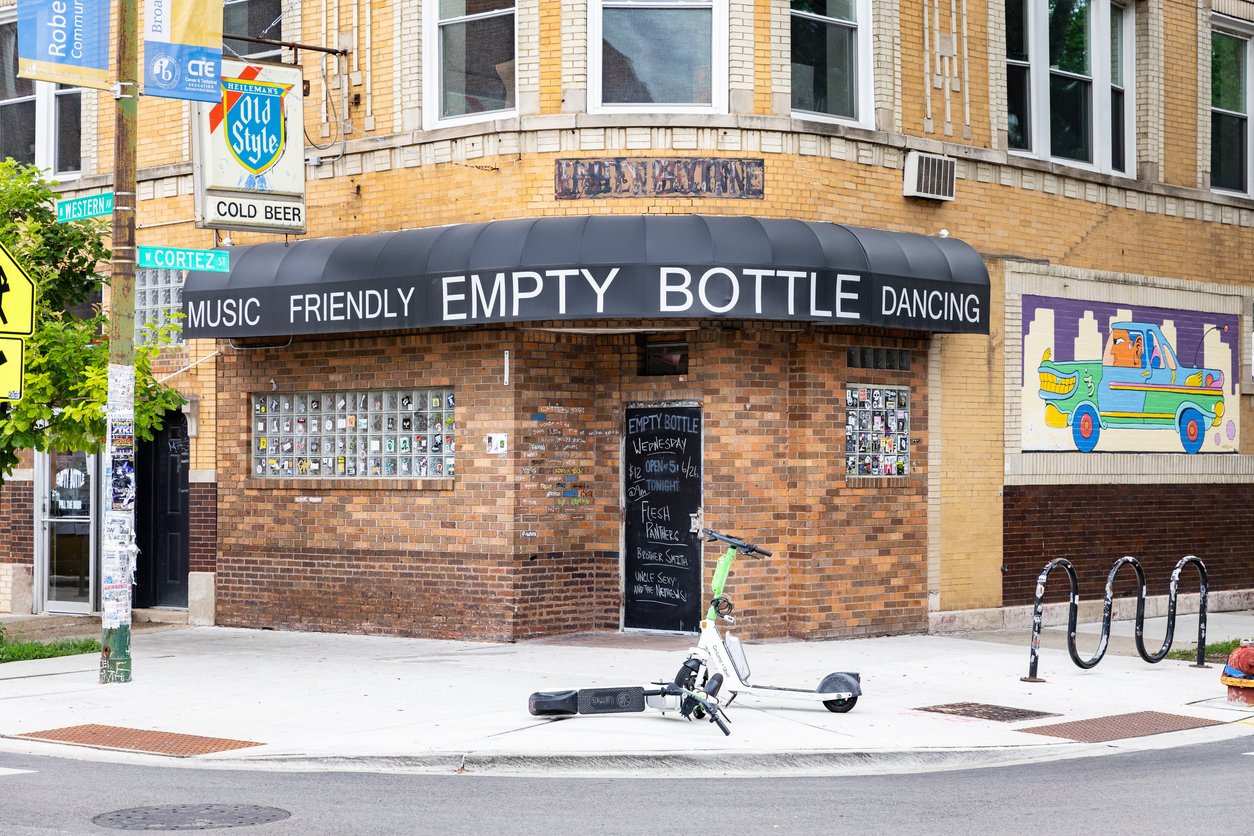
Nightlife stays neighborhood-scaled. The Village Tap is the iconic local, with a broad craft beer list and an enclosed heated patio that stays usable through Chicago winters. Beat Kitchen pairs a casual bar and grill with an intimate back room booking indie rock, punk, and comedy. Just along the Western Avenue border, Constellation draws a different crowd entirely for progressive jazz, contemporary classical, and experimental music.
For a neighborhood this compact, the green space is exceptional.
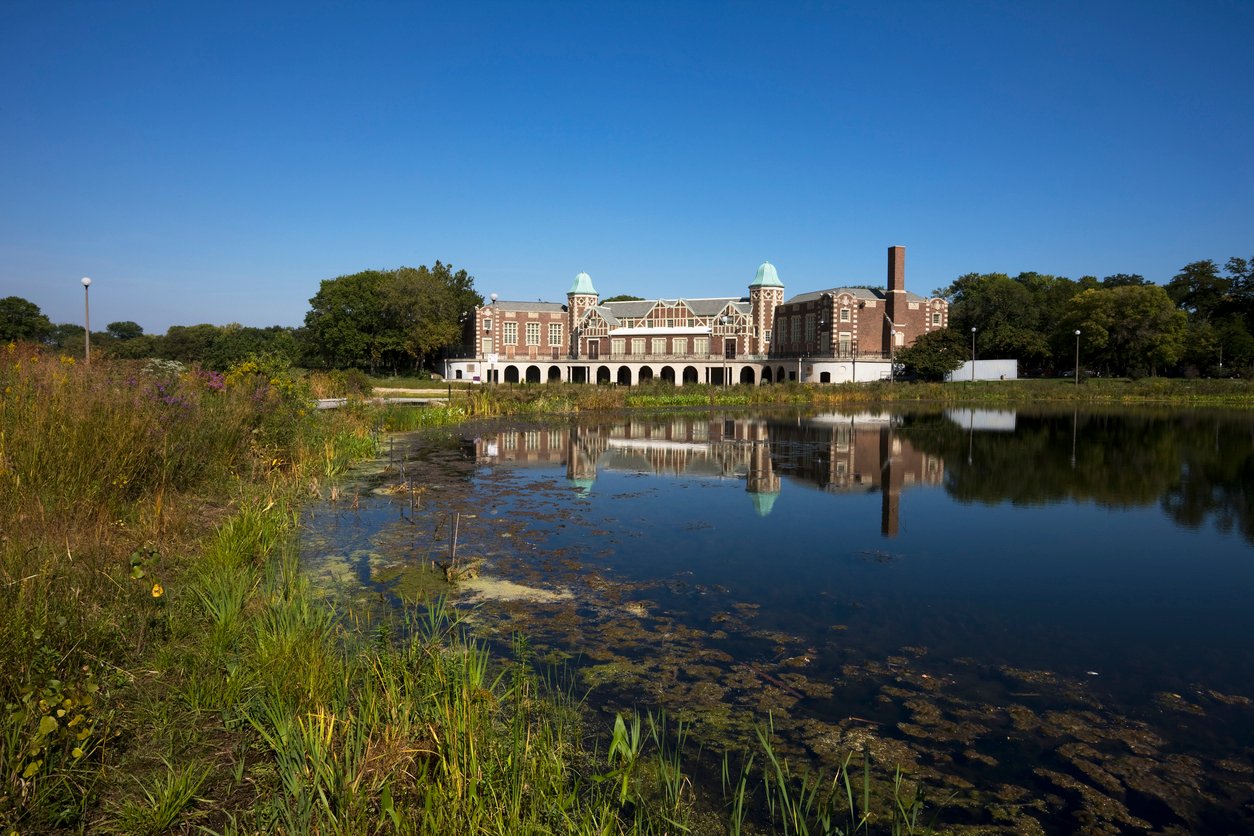
Hamlin Park (3035 N Hoyne Ave) is the anchor — roughly eight acres along the eastern edge, and one of the best-equipped recreational parks on the North Side. The historic fieldhouse holds a fitness center and boxing gym, and the grounds include an outdoor public pool, a well-used dog park, tennis and basketball courts, and multiple lit baseball and softball diamonds. It functions as the neighborhood's default gathering place, not just a park you pass.
Fellger Park (2000 W Belmont Ave) fills a different need. This shaded 0.77-acre playlot at Belmont and Damen is aimed squarely at toddlers and young children, with soft-surface play structures, swings, picnic tables, and open grass for playdates.
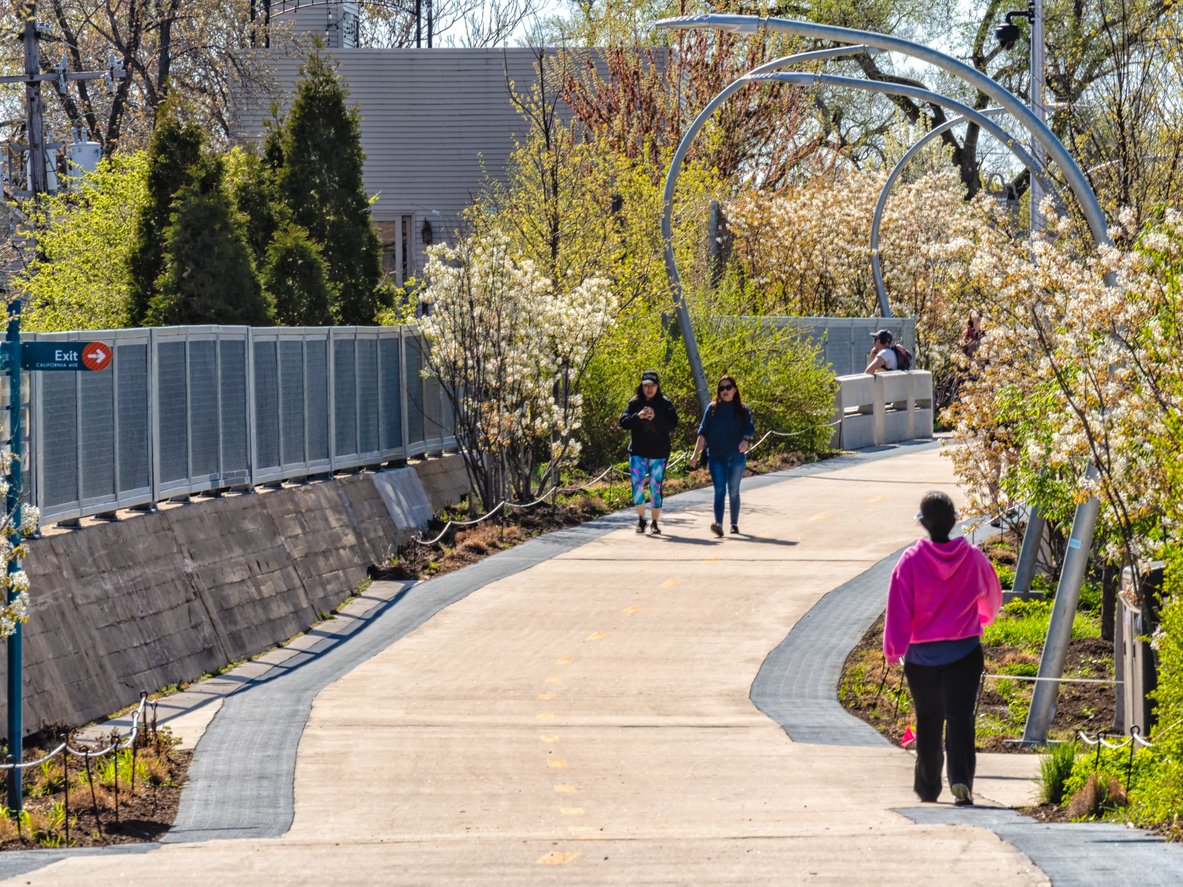
On the western edge, the Chicago River gives residents quick access to rowing facilities and kayak launches near Clark Park and the WMS Boathouse, plus a connection to the 312 RiverRun trail.
School boundaries are one of the primary drivers of property values here, and long-term residents often cite them as the reason they never left.
Audubon Elementary School (K–8) serves the central and eastern portions of the neighborhood and carries a strong academic reputation, an active parent association, and a community-centered culture. Jahn Elementary School serves the western portion as a fine arts and dual-language specialty CPS school, with an emphasis on arts integration.
Lane Tech College Prep High School, at Addison and Western just northwest of the neighborhood, is one of Chicago's premier selective-enrollment public high schools — elite academics, an extensive AP catalog, and athletic facilities on a scale most suburban districts can't match. Having it effectively in the backyard is a meaningful part of the Roscoe Village pitch to families.
On the private and parochial side, St. Benedict Prep (K–12) and St. Alphonsus Academy (K–8) sit just outside the borders, and DePaul College Prep offers a modern co-ed Catholic campus nearby along the river.
One caution repeated from earlier: because the neighborhood's informal boundaries don't match CPS attendance areas, verify the specific address before assuming a school assignment.
Roscoe Village manages a rare balance — tucked away from heavy through traffic while staying genuinely well connected.
The CTA Brown Line provides the primary rail access. Paulina Station, at Lincoln and Paulina, serves eastern and central residents, with Addison Station slightly north for those near the upper boundary. A ride from Paulina into the Loop takes roughly 25 to 30 minutes.
Bus coverage is dense. The #77 Belmont runs frequent east-west service and connects to the Belmont Red/Brown/Purple transfer hub. The #152 Addison runs the northern border straight east to Wrigley Field and the lake. The #49 Western and #50 Damen handle north-south movement across the city, and the #9 Ashland provides a high-frequency corridor just east.
Daily life mostly doesn't require a car. Walk Score sits around 90, and groceries, coffee, retail, and dining are all on Roscoe Street. Bike Score is comparable, helped by flat terrain, neighborhood greenways, and direct access to the 312 RiverRun path. For drivers, Western and Belmont give quick access to the Kennedy Expressway (I-90/94), making O'Hare and the suburbs straightforward.
The calendar is the clearest evidence that this is a real community rather than a well-priced collection of addresses.
Retro on Roscoe is the flagship, taking over a six-block stretch of Roscoe Street each August or September with three stages of throwback live music, food vendors, local merchant booths, a kids' area, and a classic car show featuring more than fifty vintage vehicles. Roscoe Village Burger Fest brings a similar energy to Belmont Avenue with local burger vendors and live rock.
Week to week, the Roscoe Village Farmers Market runs Sunday mornings at Hamlin Park through summer and early autumn, with produce, cut flowers, pastries, cheese, and coffee — as much a social ritual as a shopping trip.
Seasonal traditions fill in the rest. The Garden Walk opens private backyards and hidden patios to visitors each summer. On Halloween, Roscoe Street closes to traffic for afternoon trick-or-treating, costume contests, and pumpkin painting. In December, Winterfest and Small Business Saturday events bring carolers, tree lighting, pop-up markets, and horse-drawn carriage rides to the strip.
Roscoe Village's position makes several distinct neighborhoods reachable on foot or one Brown Line stop away.
North Center, directly north, is the broader community area Roscoe Village belongs to. Heading past Addison brings you to the Lincoln/Irving Park junction, with breweries like Half Acre and Begyle, bowling, and a wider dining bench.
Lakeview and the Southport Corridor, directly east across Damen, offer premier shopping, higher-end dining, the historic Music Box Theatre, and Wrigley Field.
Avondale, south and southwest across Belmont and the river, has become a serious culinary destination — acclaimed independent restaurants, Polish delis, craft taprooms, and an active arts scene.
Ravenswood, northeast along the Brown Line, is known for the industrial corridor's Malt Row breweries, woodworking shops, design studios, and loft conversions.
Lincoln Square, a few stops north, delivers a historic German-influenced pedestrian plaza with European bakeries, beer gardens, and traditional music venues.
Buying or selling in Roscoe Village rewards people who know the specifics — which blocks fall inside the Audubon boundary, which developers built the infill that's held its value, and how to price a duplex-down against a cottage in a market where inventory rarely stays put for a month. That's the kind of detail the Romolo Group brings to every transaction.
Led by Jen Romolo, a top-producing broker consistently ranked among the top 2% of Chicagoland agents (per Infosparks data, 01/01/2021 to present), the team pairs boutique-level attention with the reach of @properties Christie's International Real Estate. Jazmine DeLeon, Danny DeOliveira, Mary Clare Fonseca, and Krystal Negron each bring distinct strengths — from construction and investment analysis to first-time-buyer guidance and listing marketing — and the approach stays the same across every price point: thoughtful, data-driven advice rather than a sales pitch.
If you're weighing a move to Roscoe Village or thinking about what your current home would bring in this market, reach out. Call (847) 826-1253, email [email protected], or stop by the office at 1875 N Damen Ave, Chicago, IL 60647.
There's plenty to do around Roscoe Village, including shopping, dining, nightlife, parks, and more. Data provided by Walk Score and Yelp.
Explore popular things to do in the area, including CHI50, Chris Zamastil, and The Cabico Method.
| Name | Category | Distance | Reviews |
Ratings by
Yelp
|
|---|---|---|---|---|
| Active | 0.73 miles | 0 reviews | 0/5 stars | |
| Beauty | 0.57 miles | 14 reviews | 5/5 stars | |
| Beauty | 0.6 miles | 0 reviews | 0/5 stars | |
| Beauty | 0.6 miles | 0 reviews | 0/5 stars | |
| Beauty | 0.6 miles | 9 reviews | 5/5 stars | |
| Beauty | 0.6 miles | 3 reviews | 4/5 stars | |
| Beauty | 0.72 miles | 187 reviews | 3.9/5 stars | |
|
|
||||
|
|
||||
|
|
||||
|
|
||||
|
|
||||
|
|
Roscoe Village has 4,702 households, with an average household size of 2. Data provided by the U.S. Census Bureau. Here’s what the people living in Roscoe Village do for work — and how long it takes them to get there. Data provided by the U.S. Census Bureau. 11,229 people call Roscoe Village home. The population density is 28,446 and the largest age group is Data provided by the U.S. Census Bureau.
Total Population
Population Density Population Density This is the number of people per square mile in a neighborhood.
Median Age
Men vs Women
Population by Age Group
0-9 Years
10-17 Years
18-24 Years
25-64 Years
65-74 Years
75+ Years
Education Level
Total Households
Average Household Size
Average individual Income
Households with Children
With Children:
Without Children:
Blue vs White Collar Workers
Blue Collar:
White Collar:
1875 N DAMEN AVE CHICAGO IL 60647
1875 N DAMEN AVE CHICAGO IL 60647