Welcome to
Portage Park Chicago Real Estate & Neighborhood Guide
The heart of Chicago's Bungalow Belt, with a landmark park and pool, Six Corners shopping, and generous lots.
61,793 people live in Portage Park, where the median age is 40 and the average individual income is $42,749. Data provided by the U.S. Census Bureau.
Total Population
Median Age
Population Density
Average individual Income
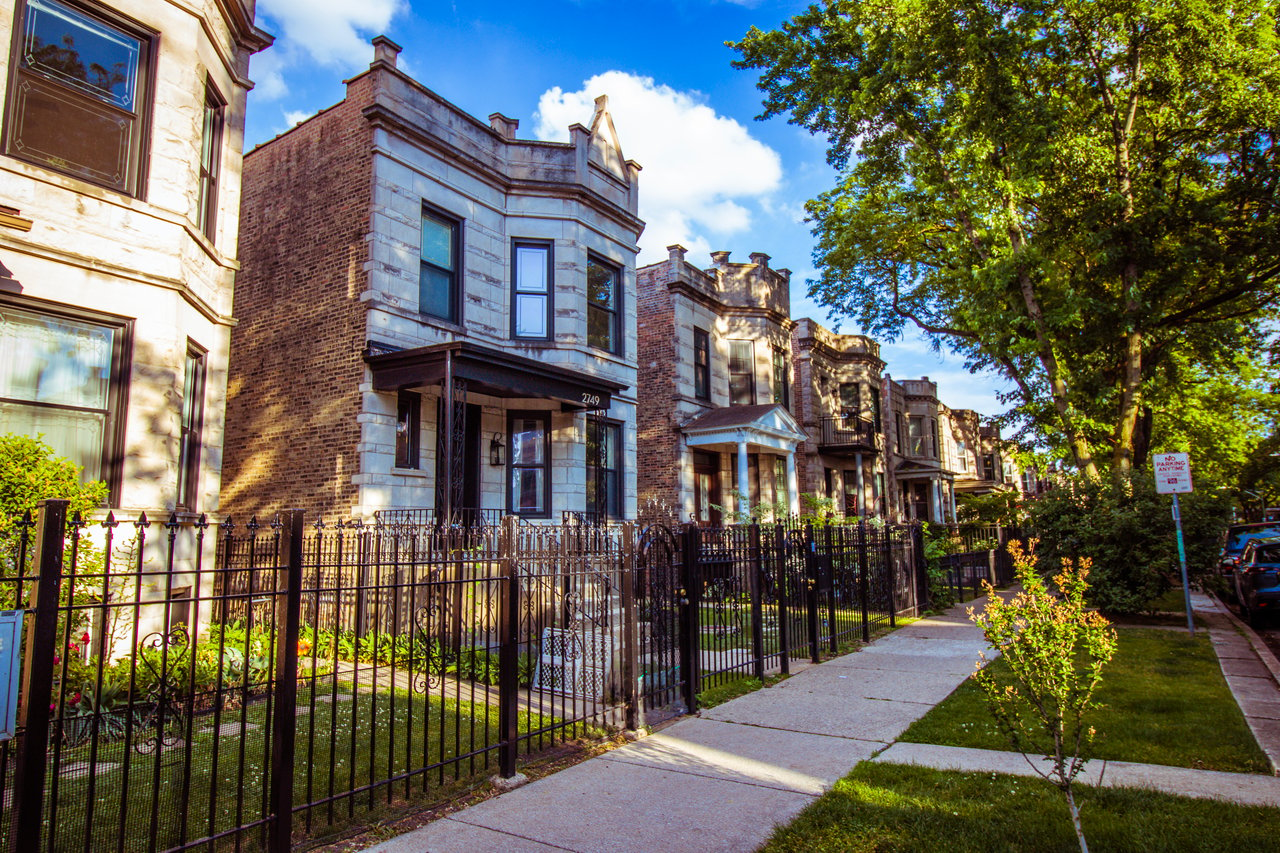
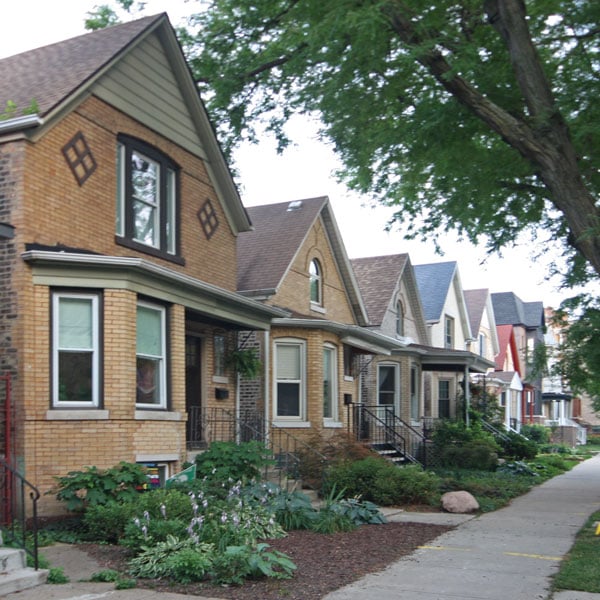
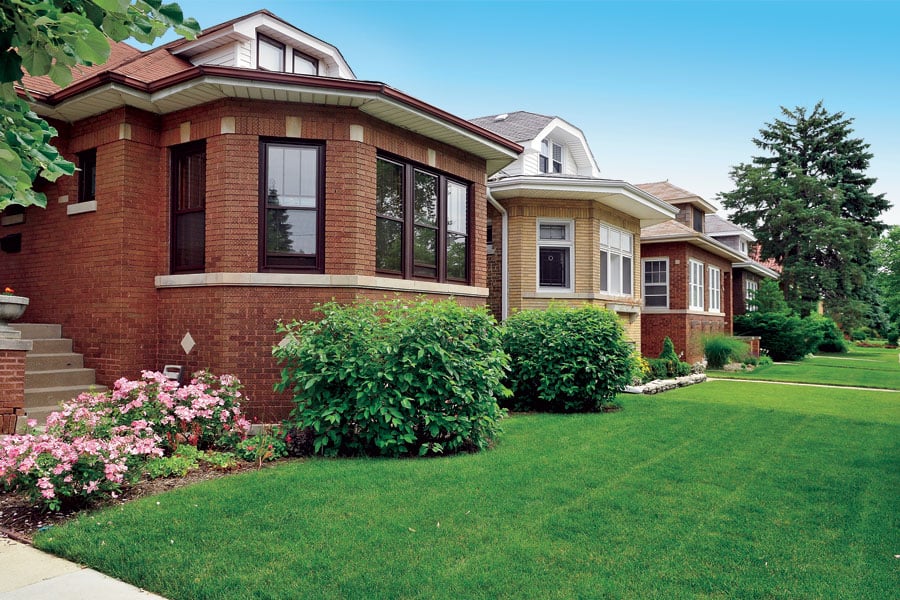
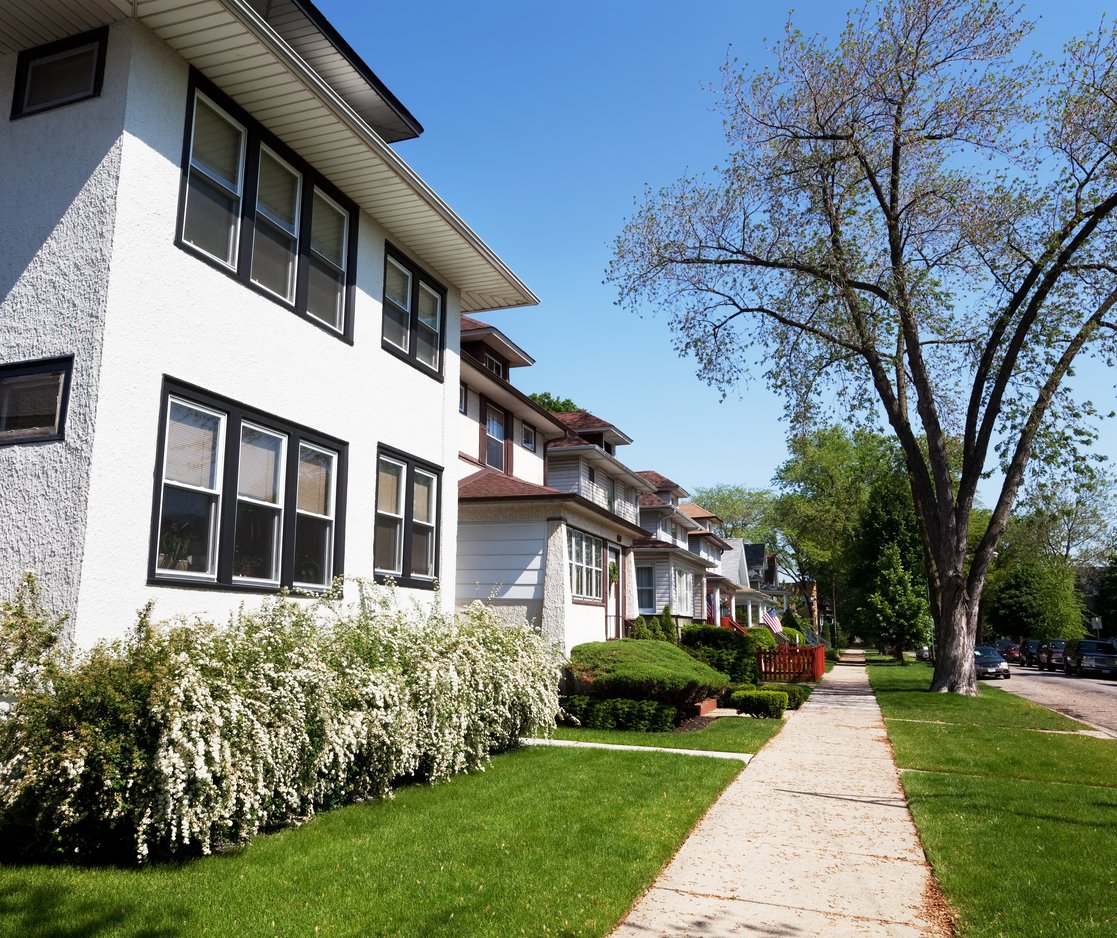
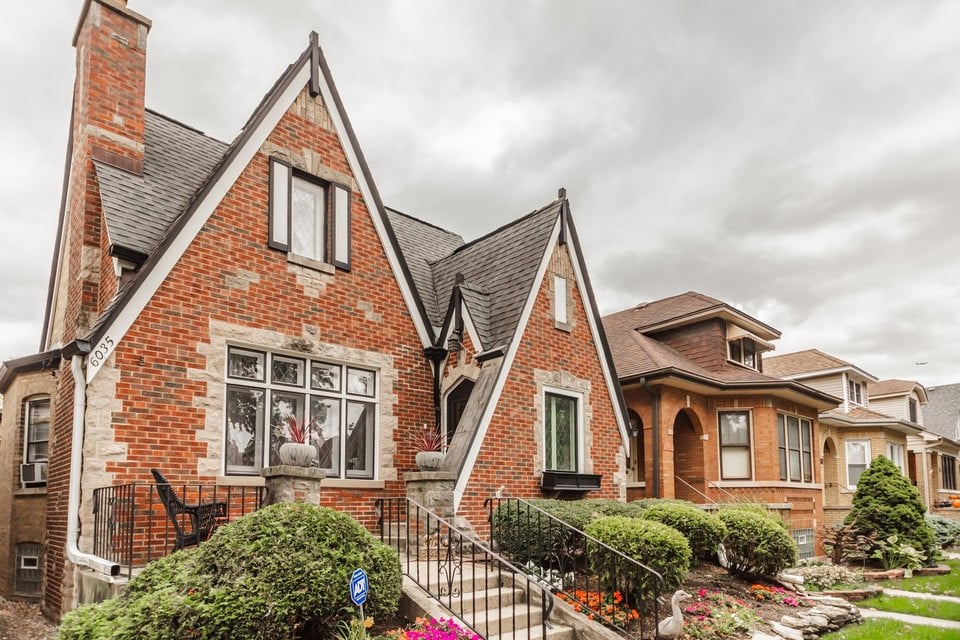
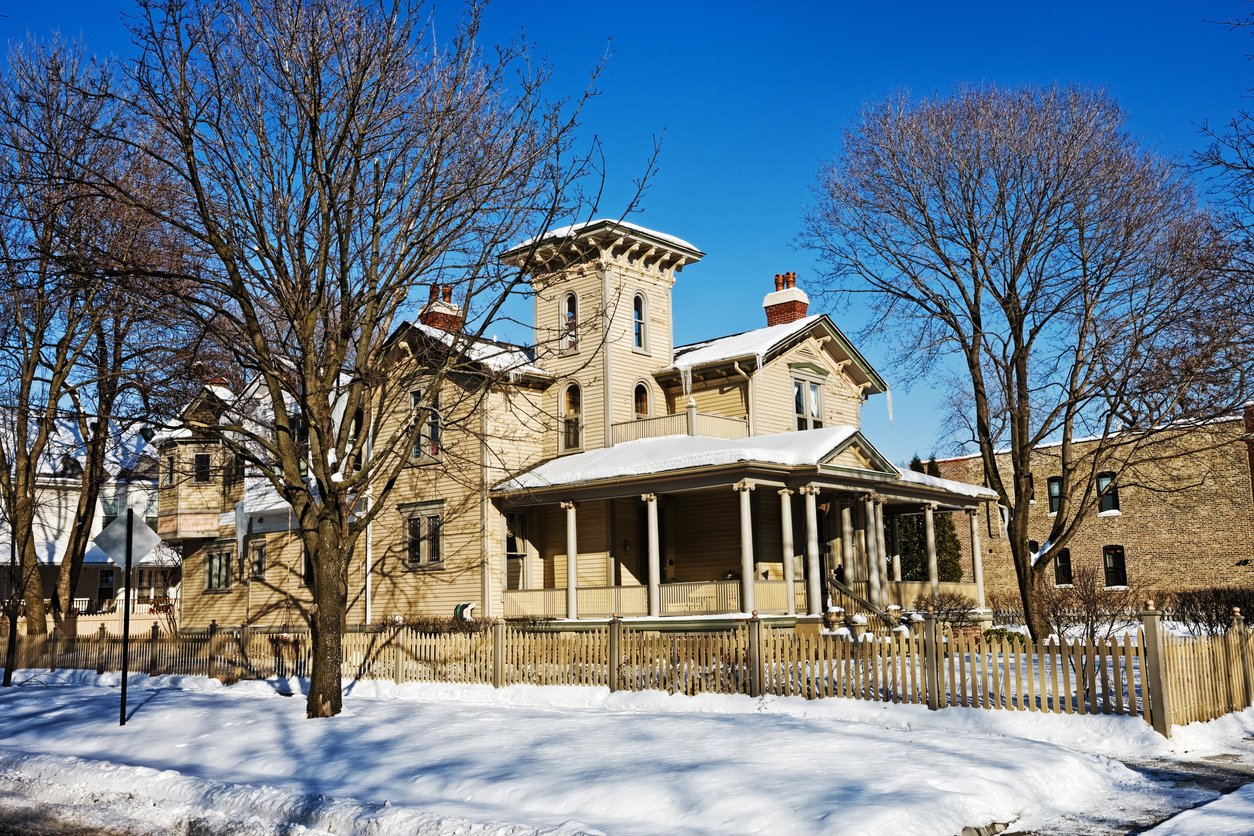
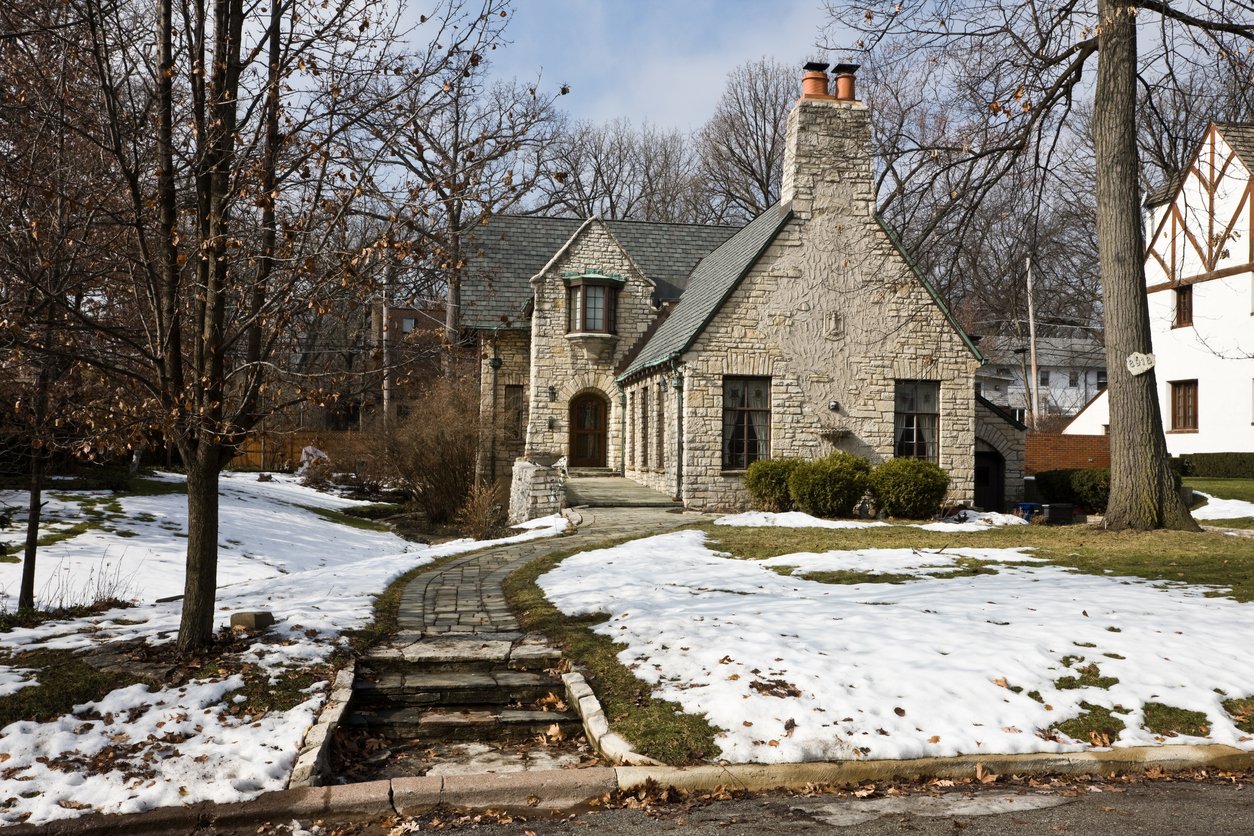
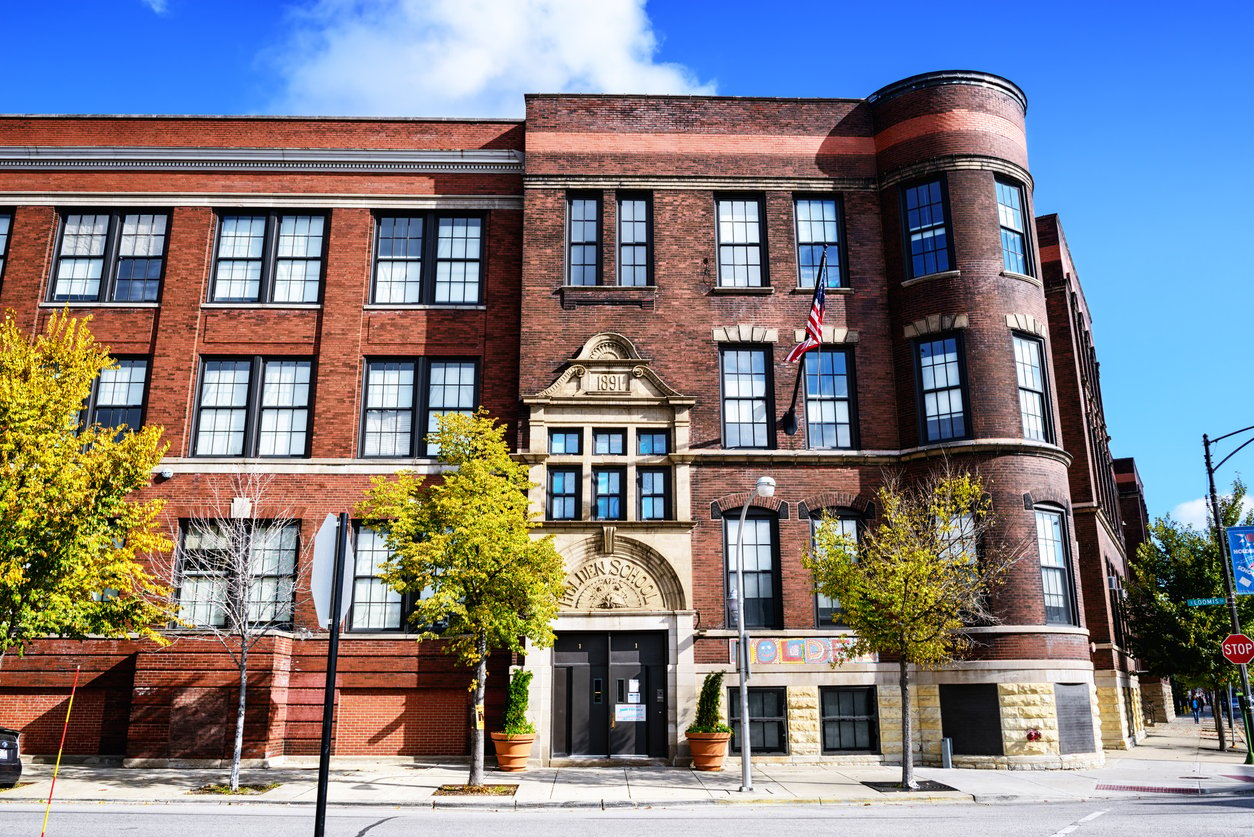
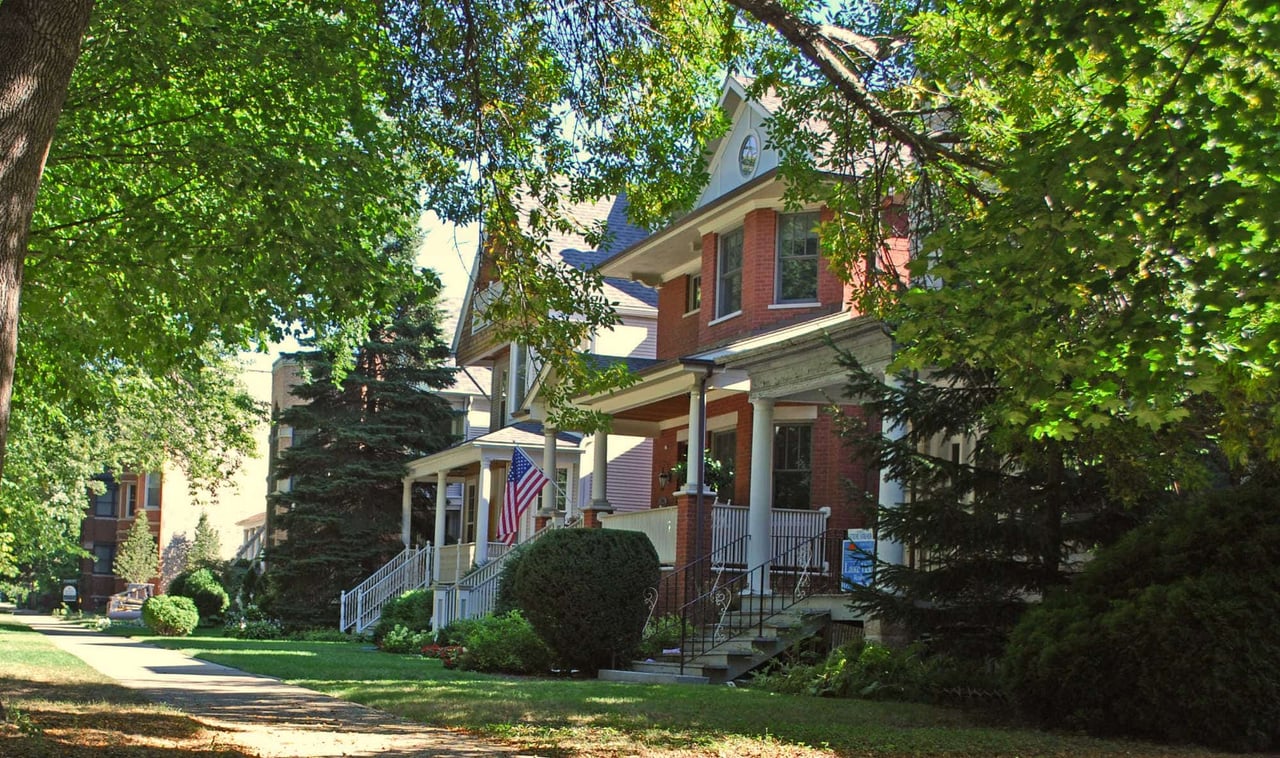
Portage Park is the heart of Chicago's Bungalow Belt — block after block of the brick bungalows that define the Northwest Side, with their stained glass, limestone trim, and full basements, on lots that give homeowners actual yards. For buyers who want a single-family house inside the city limits, this is one of the neighborhoods where that goal stays realistic.
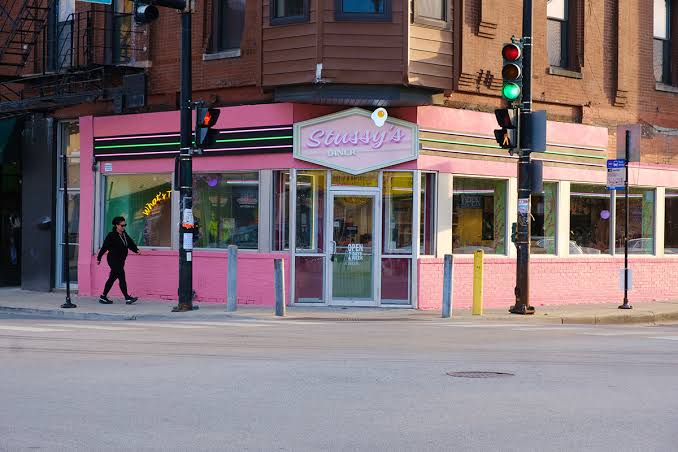
The park that names the neighborhood is a destination in its own right: 36 acres with gardens, field houses, and a celebrated Olympic-size pool that hosted the 1959 Pan American Games and the 1972 U.S. Olympic swim trials. A few blocks away, the Six Corners shopping district at Irving Park, Cicero, and Milwaukee — once one of the busiest retail crossroads outside the Loop — anchors the commercial life, with the historic Portage Theater's marquee still presiding over the intersection and new development filling in around it.
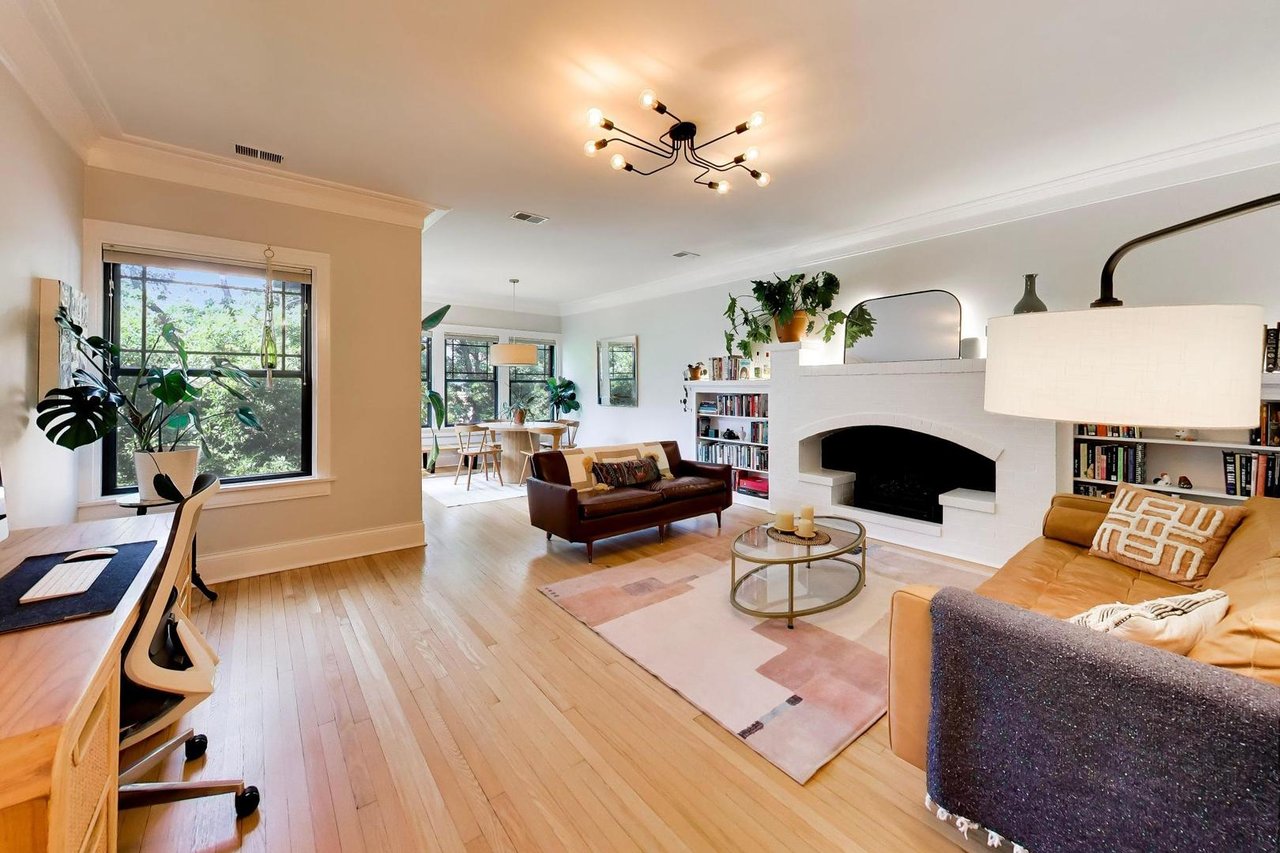
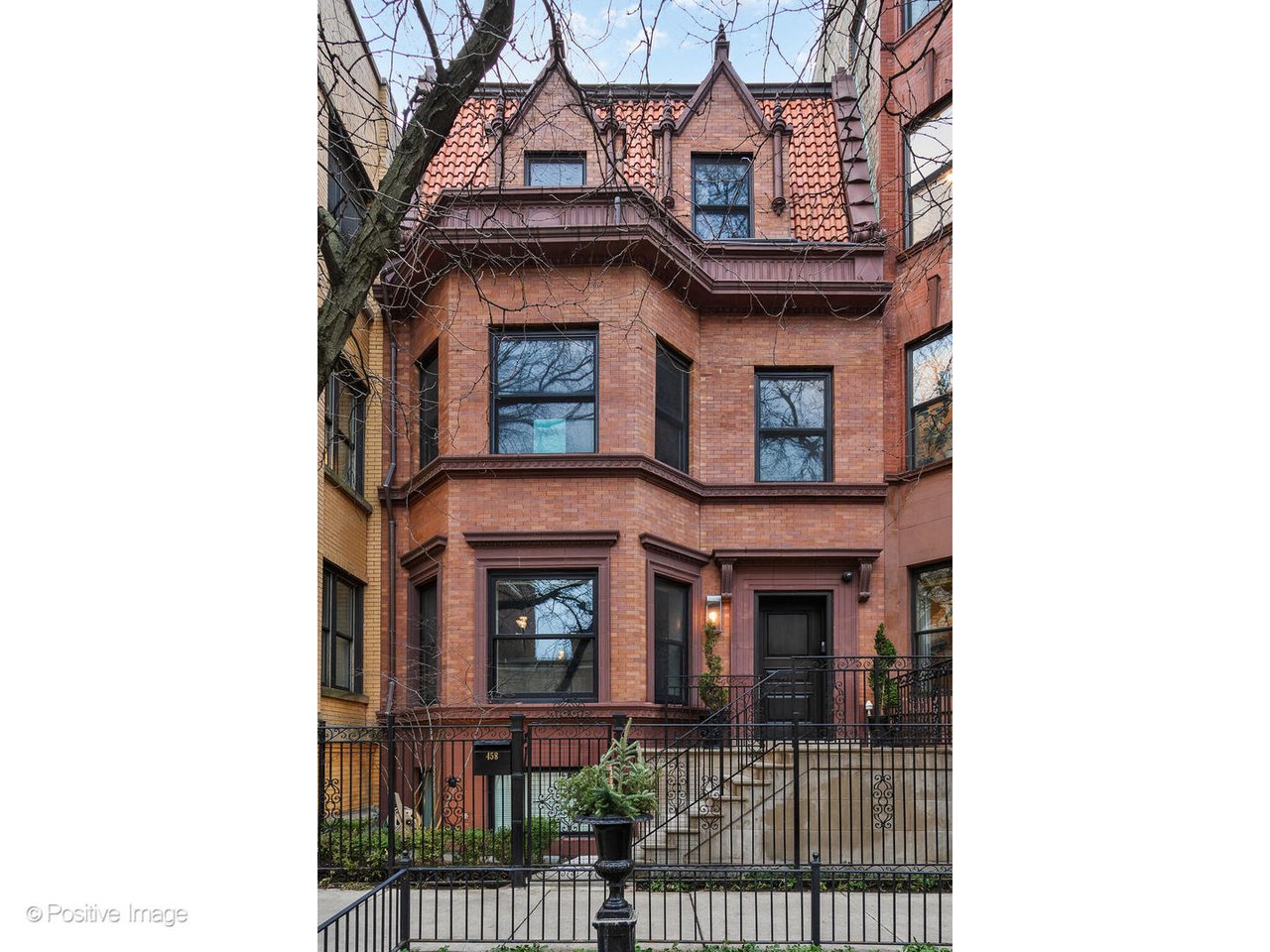
Housing is overwhelmingly single-family: the signature brick bungalows, plus cape cods, ranches, frame houses, and two-flats, with the occasional new build. Garages, driveways, and real backyards are standard in a way they simply aren't closer to the lake.
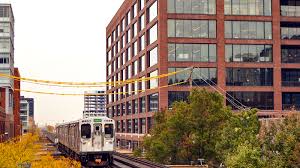
Most households here keep a car — parking is easy and the Kennedy is close — but transit is available: the Blue Line stops at Irving Park and Montrose along the expressway, Metra's Milwaukee District North line stops nearby, and buses run on Irving Park, Milwaukee, Cicero, and Central.
Portage Park offers the classic Chicago bungalow lifestyle — generous lots, a landmark park and pool, and Six Corners — at the center of the Northwest Side.
Do you need a car in Portage Park?
Most households keep one — parking is easy and the Kennedy is close — but the Blue Line stops at Irving Park and Montrose, Metra runs nearby, and buses cover the main streets for downtown commutes.
What types of homes are in Portage Park?
Predominantly single-family: classic brick bungalows, cape cods, ranches, and frame houses, plus two-flats and occasional new construction. Yards, garages, and driveways are standard.
What is Portage Park known for?
Its brick bungalows, the 36-acre park with its Olympic-size pool — host of the 1959 Pan Am Games and 1972 Olympic trials — and the Six Corners shopping district.
Portage Park vs. Jefferson Park: what's the difference?
They're neighbors on the Northwest Side with similar bungalow stock. Jefferson Park has the major transit hub — Blue Line, Metra, and bus terminal in one station; Portage Park has the larger park, the pool, and Six Corners.
There's plenty to do around Portage Park, including shopping, dining, nightlife, parks, and more. Data provided by Walk Score and Yelp.
Explore popular things to do in the area, including Amen for Sweets, J's Gourmet, and Anytime Fitness.
| Name | Category | Distance | Reviews |
Ratings by
Yelp
|
|---|---|---|---|---|
| Dining | 0.64 miles | 3 reviews | 5/5 stars | |
| Dining | 1.16 miles | 1 review | 5/5 stars | |
| Active | 0.48 miles | 0 reviews | 0/5 stars | |
| Active | 0.63 miles | 4 reviews | 4.5/5 stars | |
| Active | 0.64 miles | 1 review | 5/5 stars | |
| Active | 0.66 miles | 1 review | 5/5 stars | |
| Nightlife | 0.44 miles | 27 reviews | 4.2/5 stars | |
| Beauty | 0.79 miles | 0 reviews | 0/5 stars | |
|
|
||||
|
|
||||
|
|
||||
|
|
||||
|
|
||||
|
|
There's plenty to do around Portage Park, including shopping, dining, nightlife, parks, and more. Data provided by Walk Score and Yelp.
Explore popular things to do in the area, including Amen for Sweets, J's Gourmet, and Anytime Fitness.
| Name | Category | Distance | Reviews |
Ratings by
Yelp
|
|---|---|---|---|---|
| Dining | 0.64 miles | 3 reviews | 5/5 stars | |
| Dining | 1.16 miles | 1 review | 5/5 stars | |
| Active | 0.48 miles | 0 reviews | 0/5 stars | |
| Active | 0.63 miles | 4 reviews | 4.5/5 stars | |
| Active | 0.64 miles | 1 review | 5/5 stars | |
| Active | 0.66 miles | 1 review | 5/5 stars | |
| Nightlife | 0.44 miles | 27 reviews | 4.2/5 stars | |
| Beauty | 0.79 miles | 0 reviews | 0/5 stars | |
|
|
||||
|
|
||||
|
|
||||
|
|
||||
|
|
||||
|
|
Portage Park has 23,447 households, with an average household size of 3. Data provided by the U.S. Census Bureau. Here’s what the people living in Portage Park do for work — and how long it takes them to get there. Data provided by the U.S. Census Bureau. 61,793 people call Portage Park home. The population density is 16,326 and the largest age group is Data provided by the U.S. Census Bureau.
Total Population
Population Density Population Density This is the number of people per square mile in a neighborhood.
Median Age
Men vs Women
Population by Age Group
0-9 Years
10-17 Years
18-24 Years
25-64 Years
65-74 Years
75+ Years
Education Level
Total Households
Average Household Size
Average individual Income
Households with Children
With Children:
Without Children:
Blue vs White Collar Workers
Blue Collar:
White Collar:
1875 N DAMEN AVE CHICAGO IL 60647
1875 N DAMEN AVE CHICAGO IL 60647