Welcome to
Little Village Chicago Real Estate & Neighborhood Homes
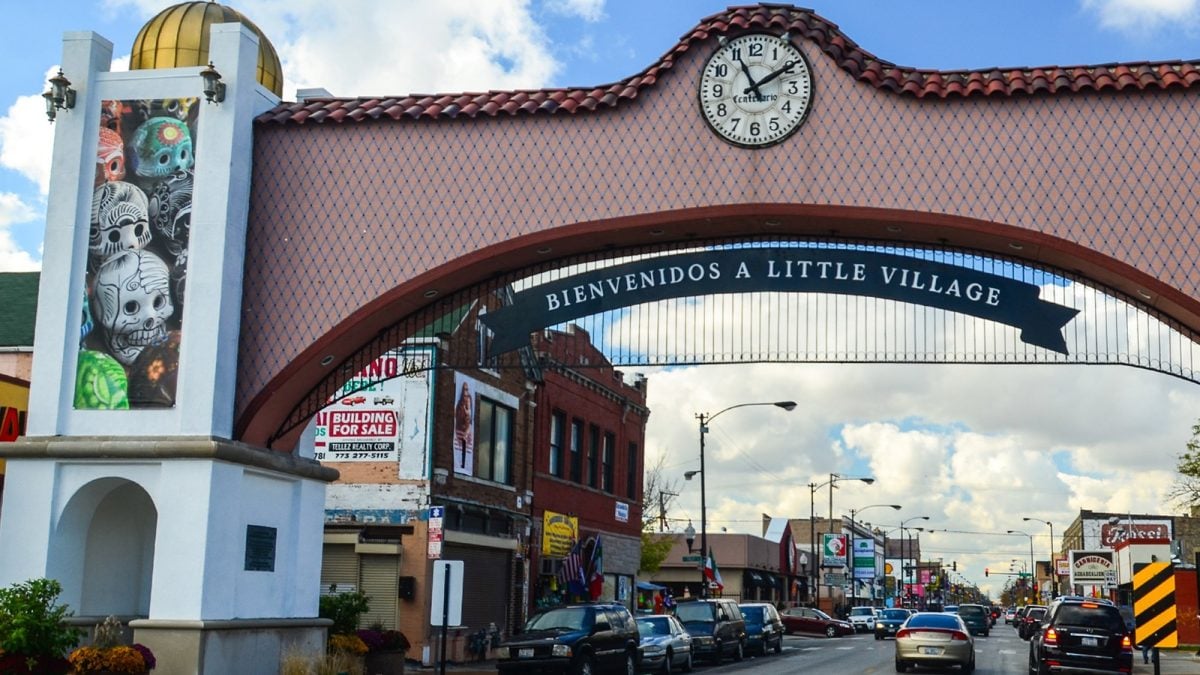
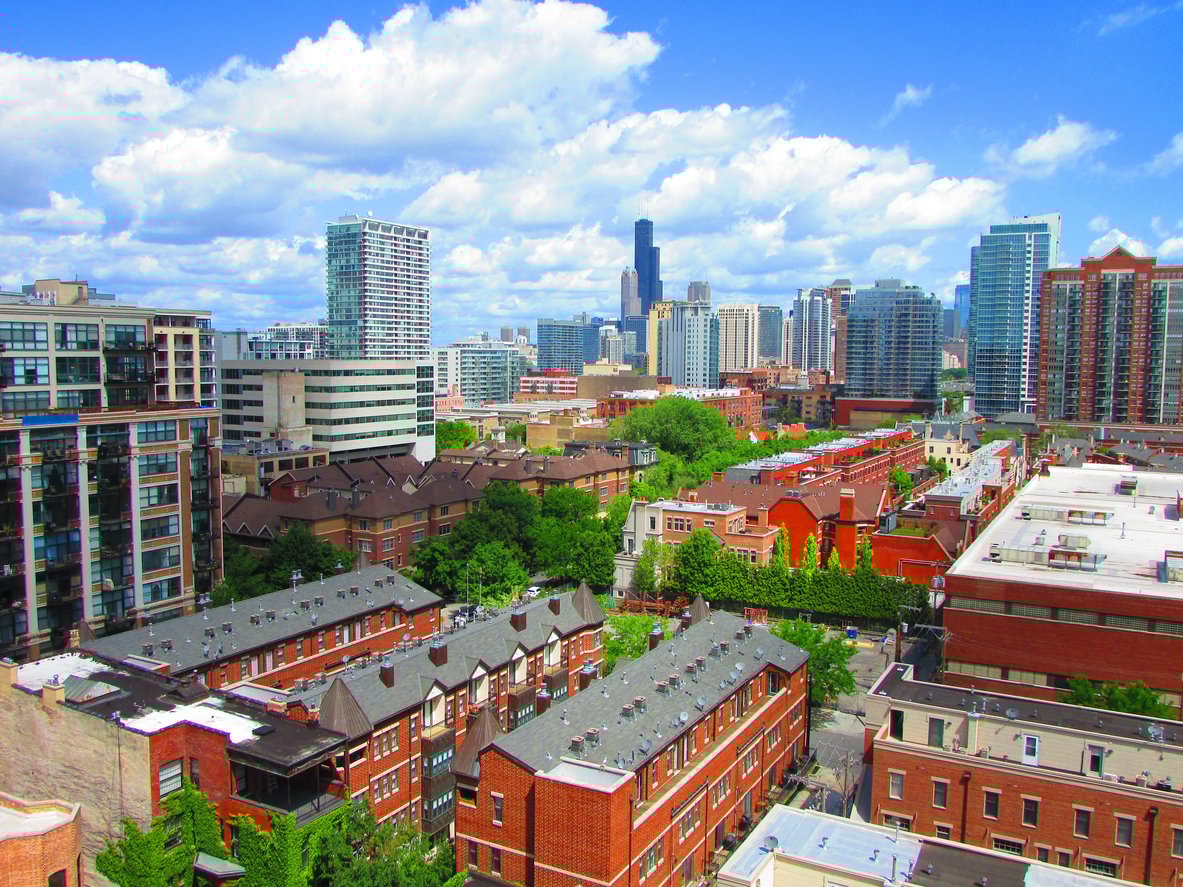
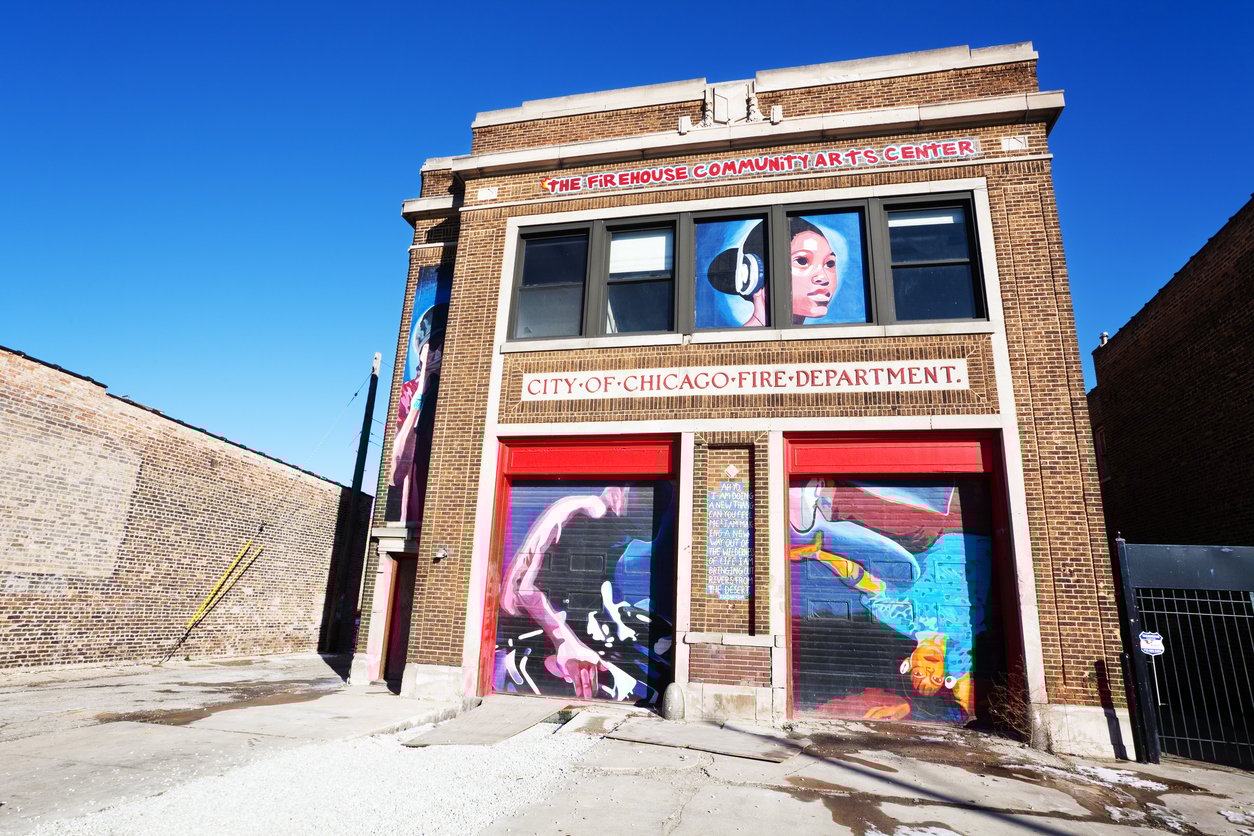
La Villita — the heart of Mexican Chicago, with the 26th Street corridor, its landmark arch, and classic two-flats.
69,845 people live in Little Village, where the median age is 37 and the average individual income is $23,143. Data provided by the U.S. Census Bureau.
Total Population
Median Age
Population Density
Average individual Income
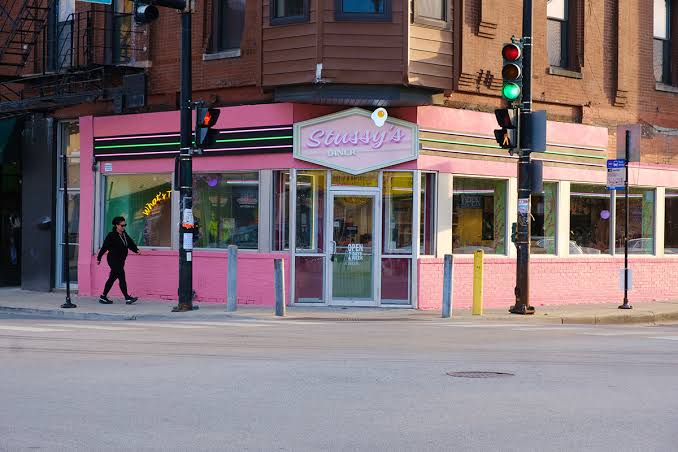
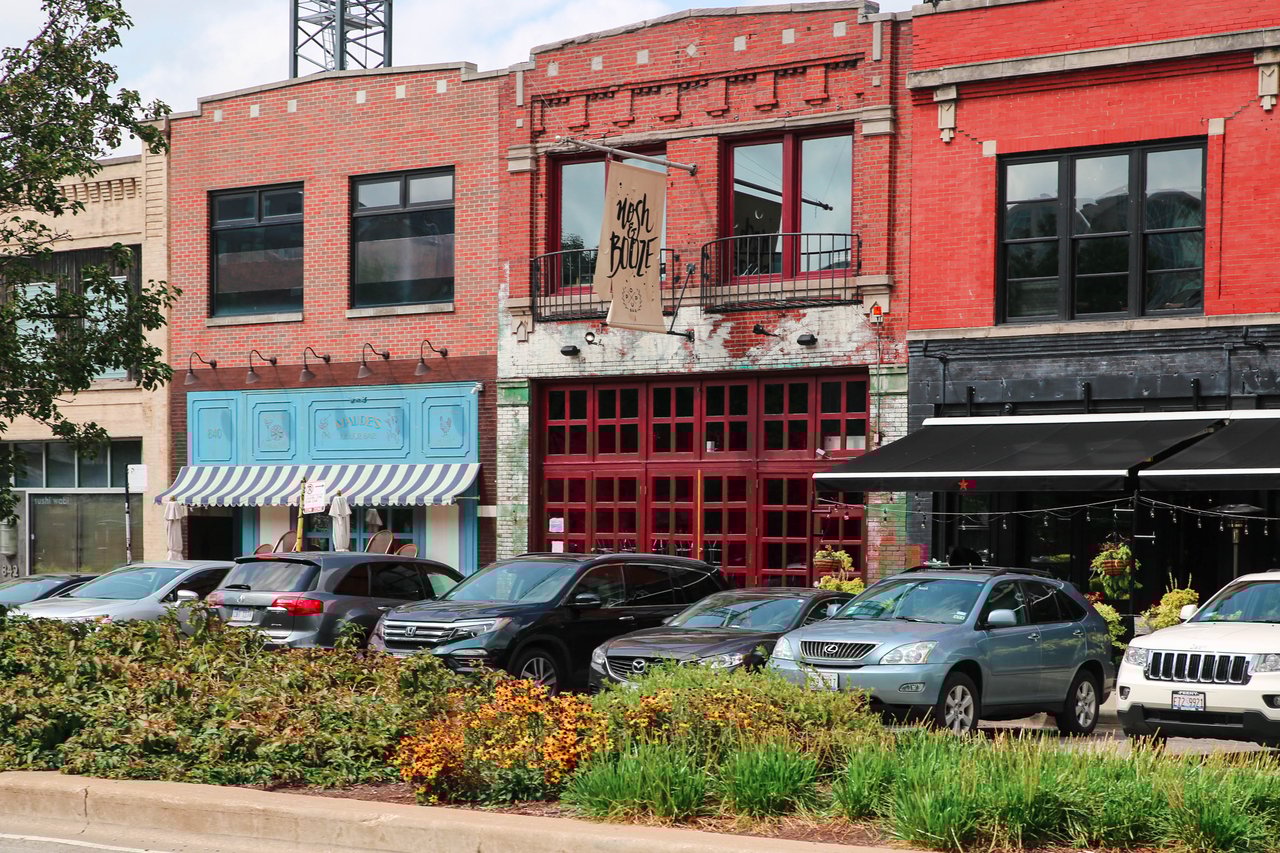
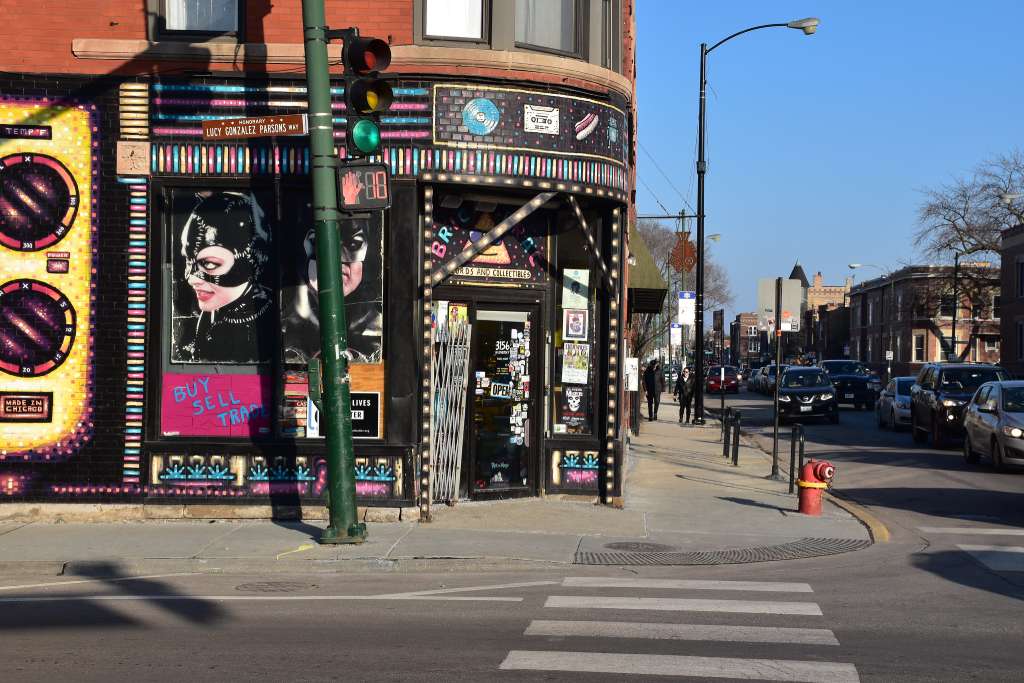
Little Village — La Villita — is the heart of Mexican Chicago, and 26th Street is its main artery: one of the busiest commercial corridors in the entire city, running for miles past taquerias, panaderías, carnicerías, quinceañera shops, and street vendors, all announced by the terracotta Little Village Arch that spans the street and welcomes visitors in Spanish. The corridor's Mexican Independence Day celebrations each September are among the largest in the country.
This is a neighborhood of family businesses and street life — the kind of commercial density most neighborhoods lost decades ago, sustained here by a community that shops, eats, and celebrates locally. The food alone justifies the trip for people from every corner of the city.
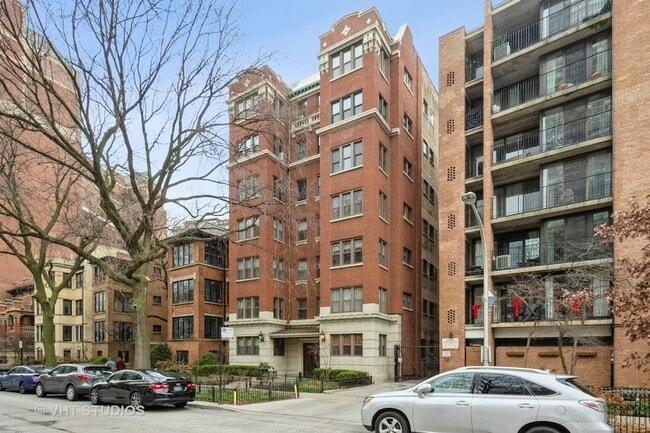
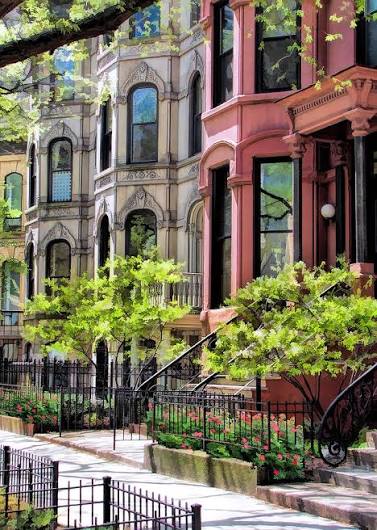
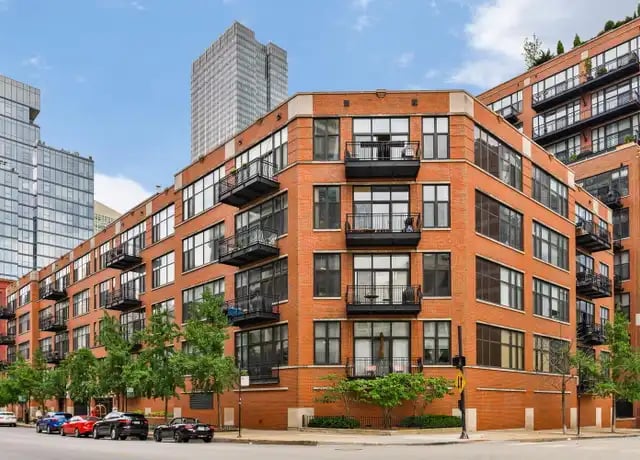
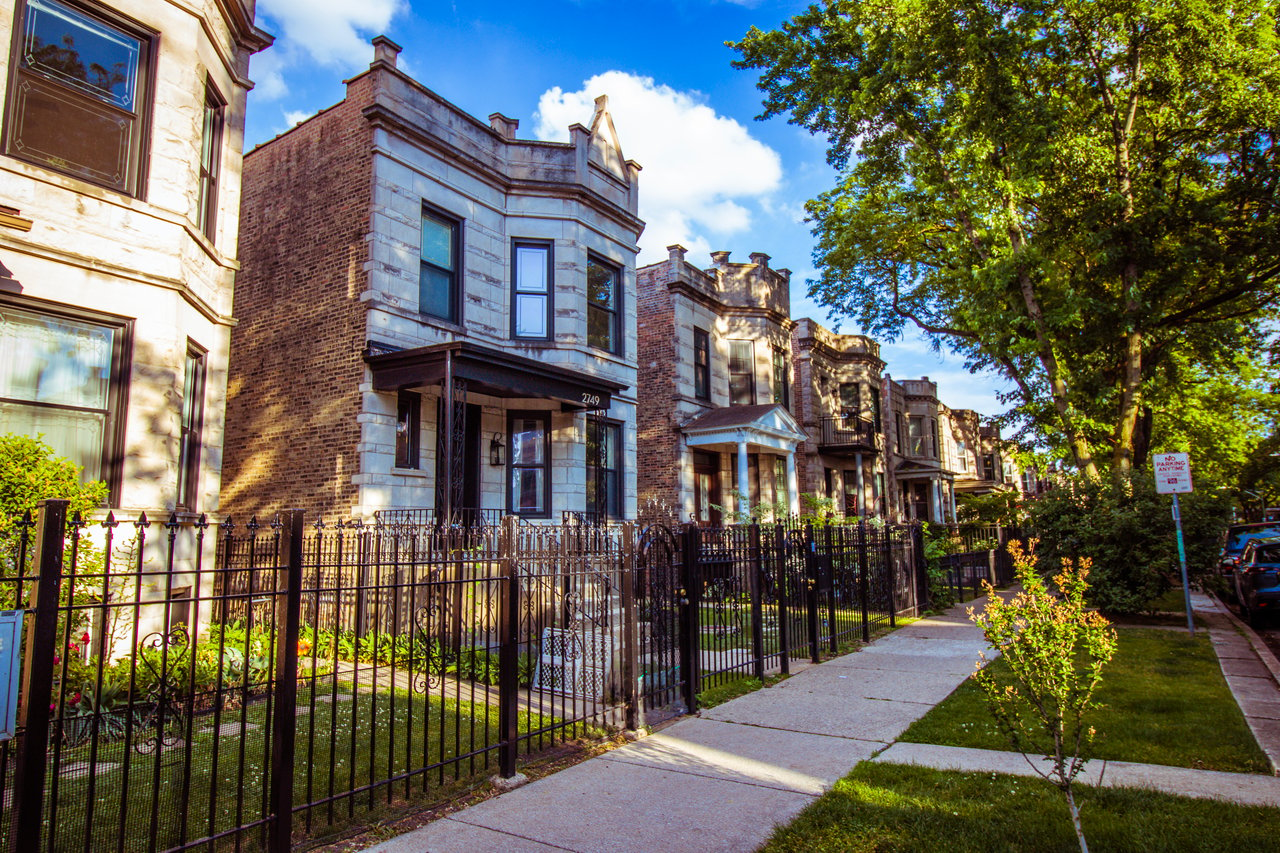
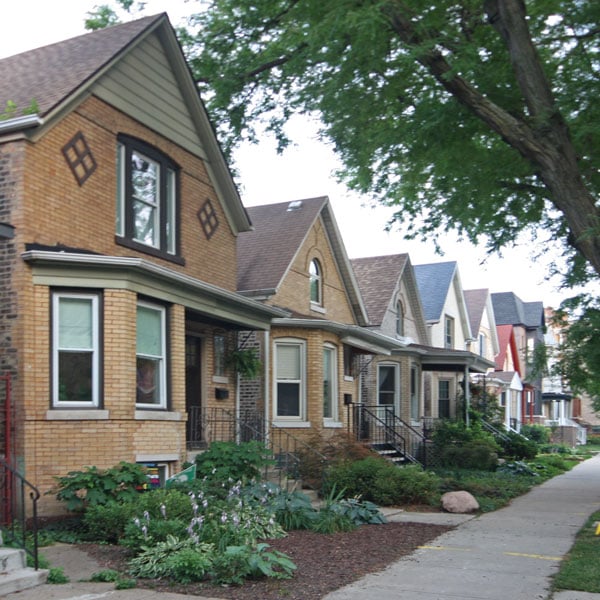
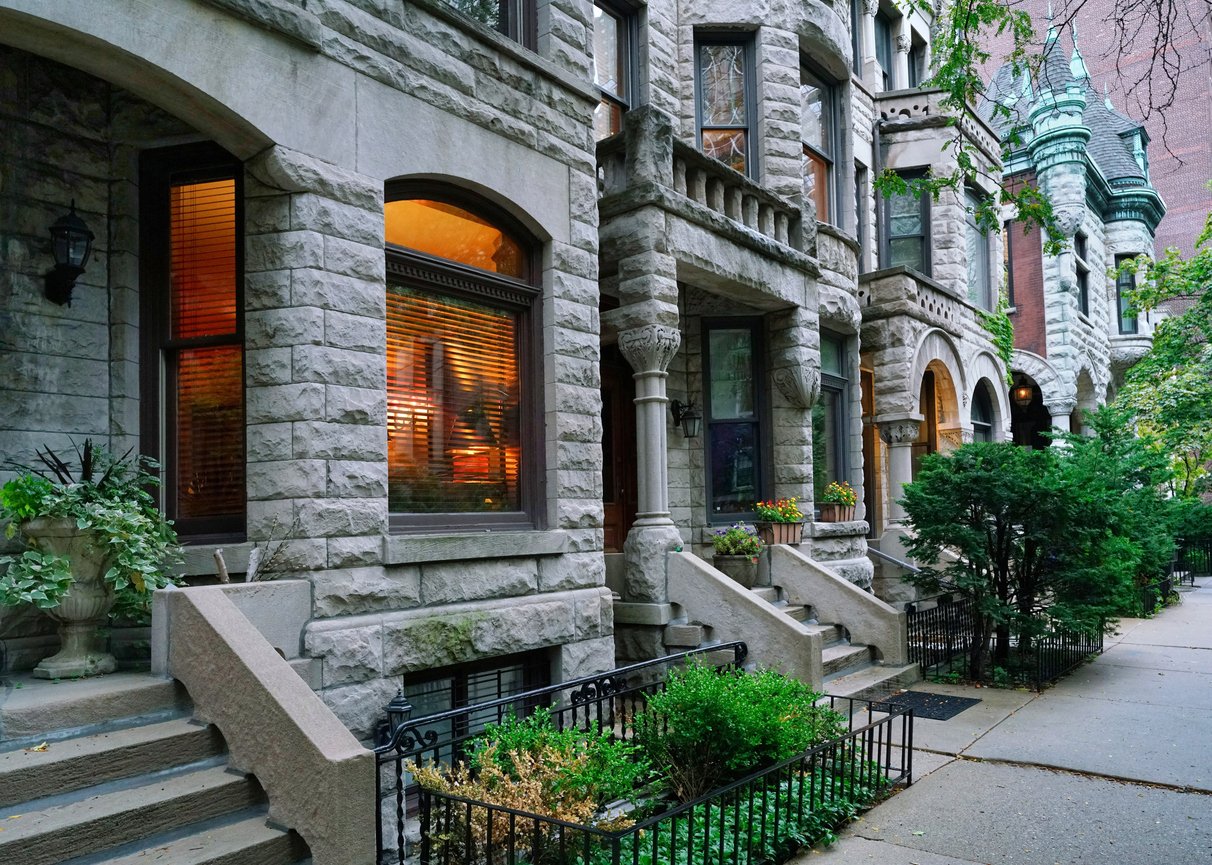
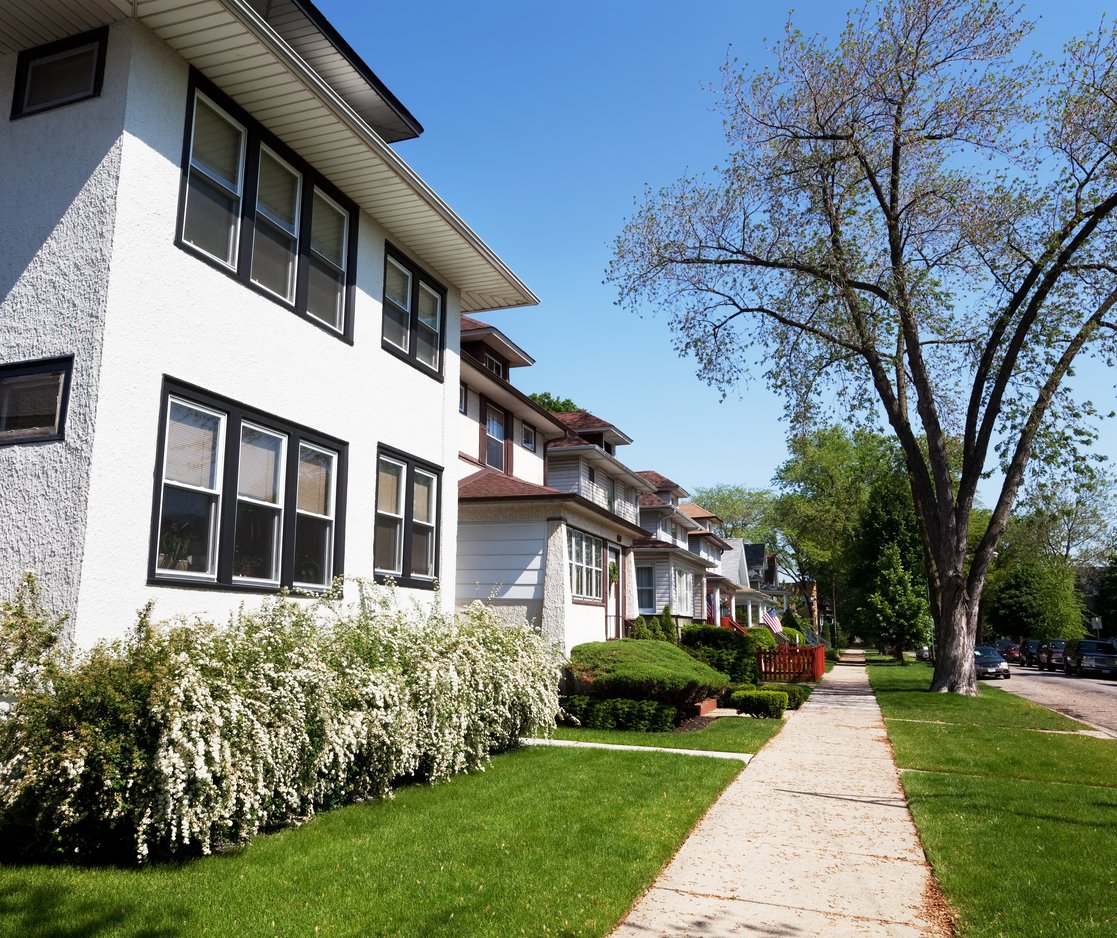
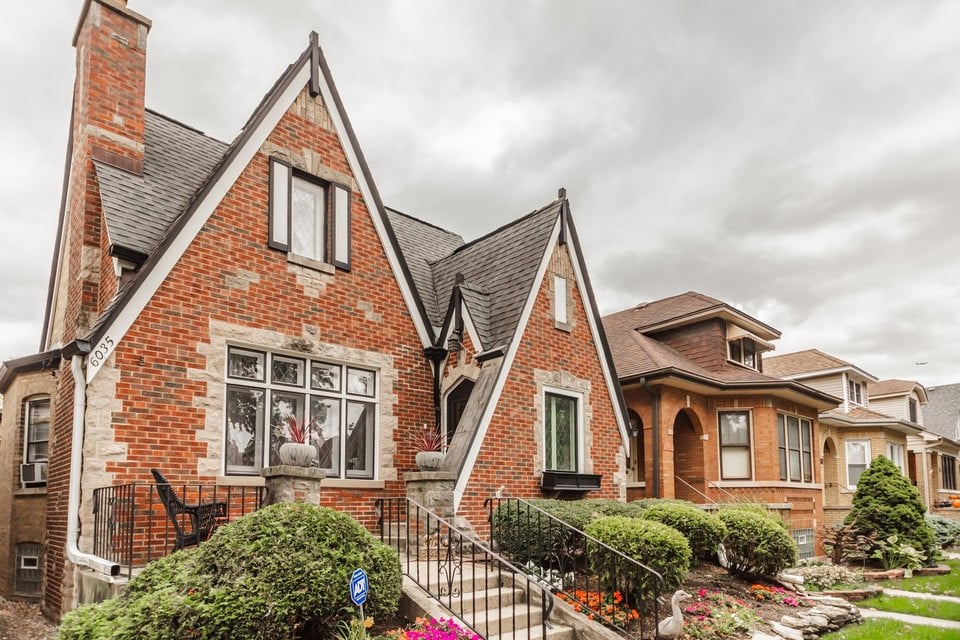
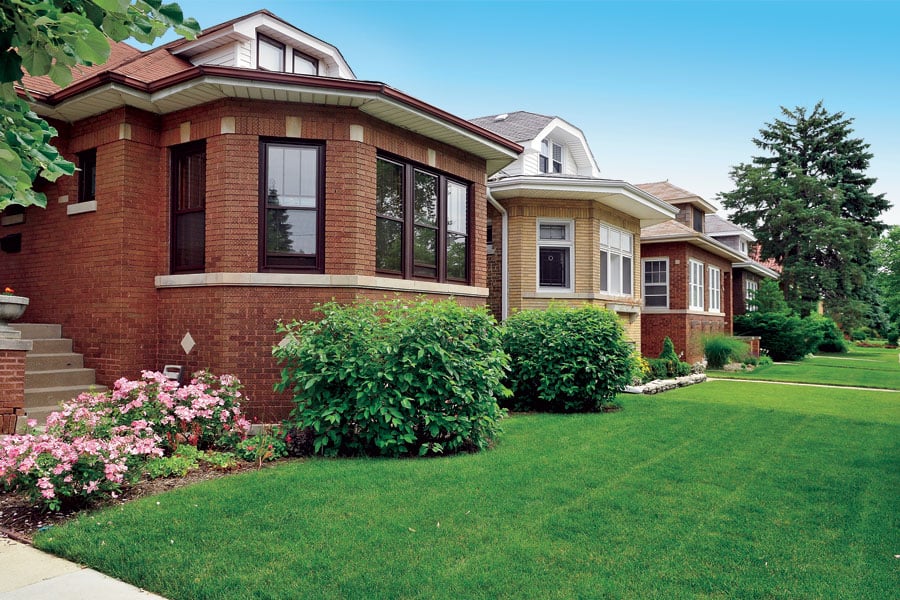
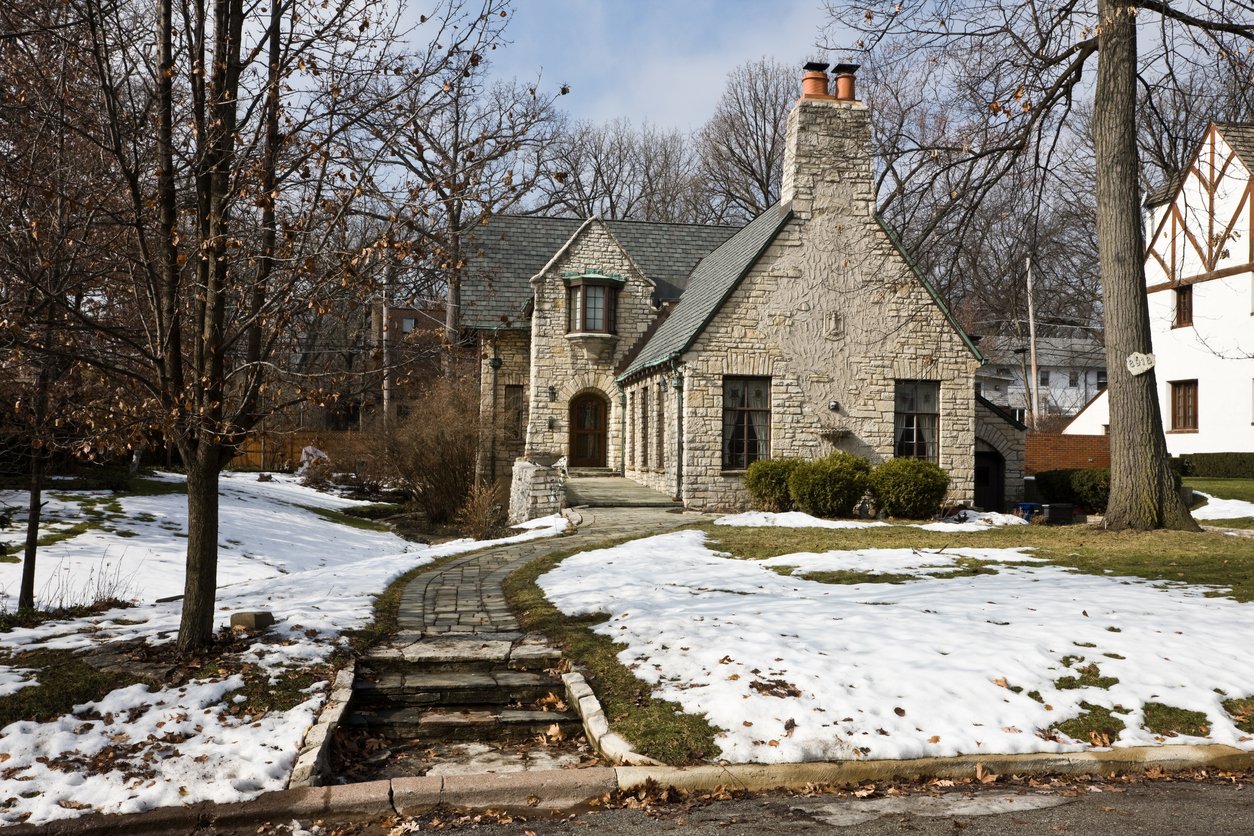
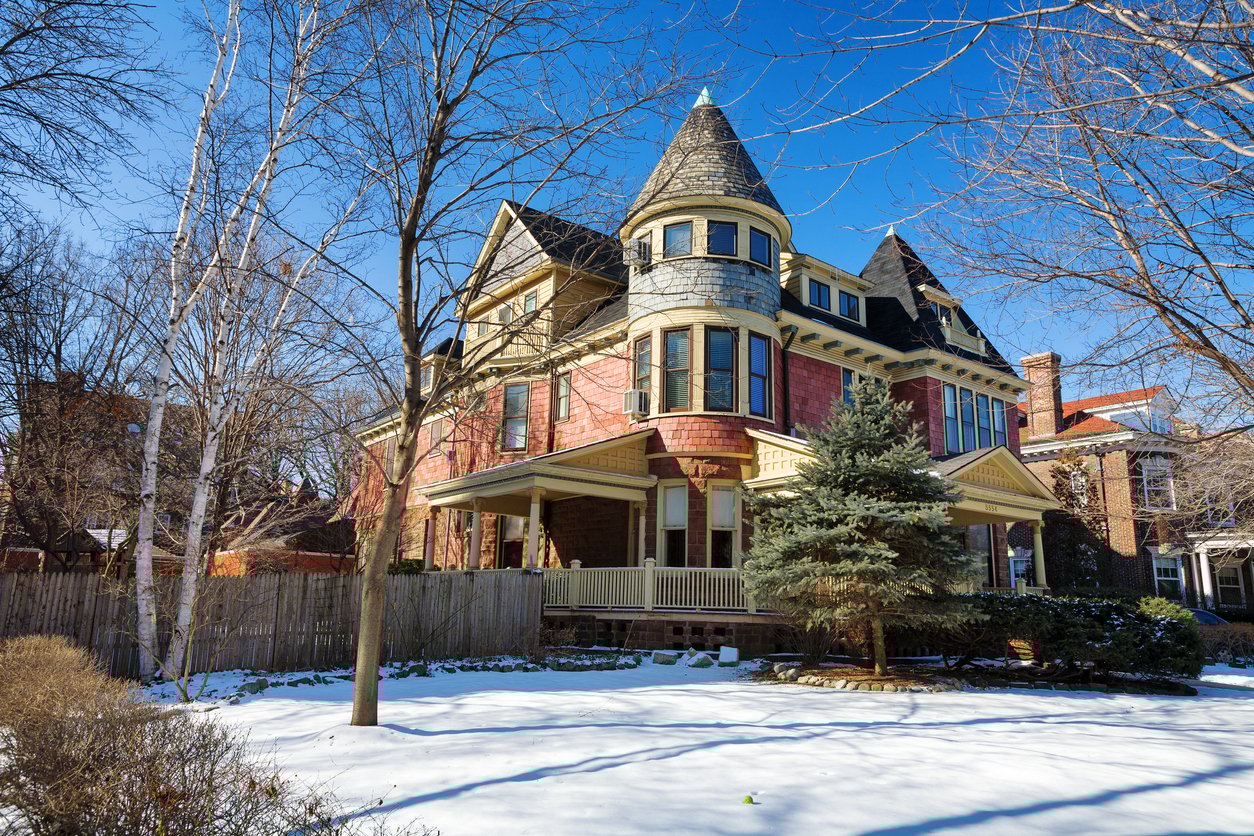
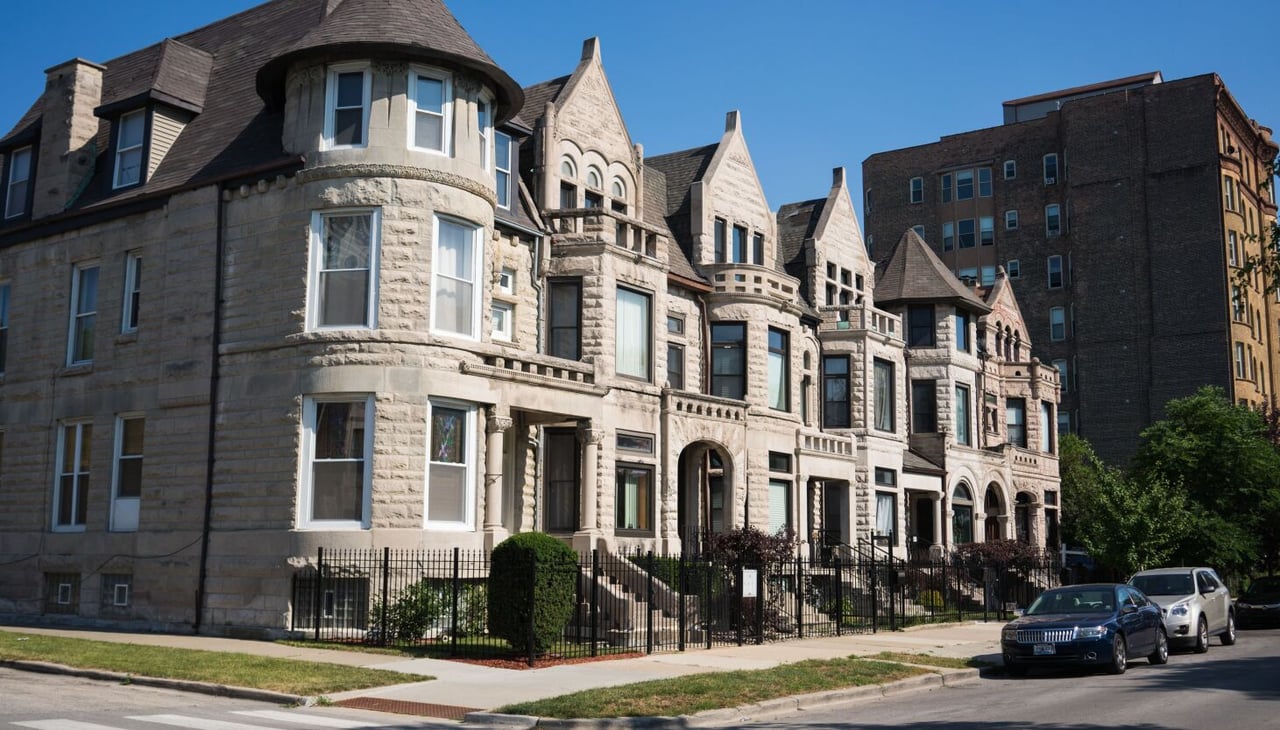
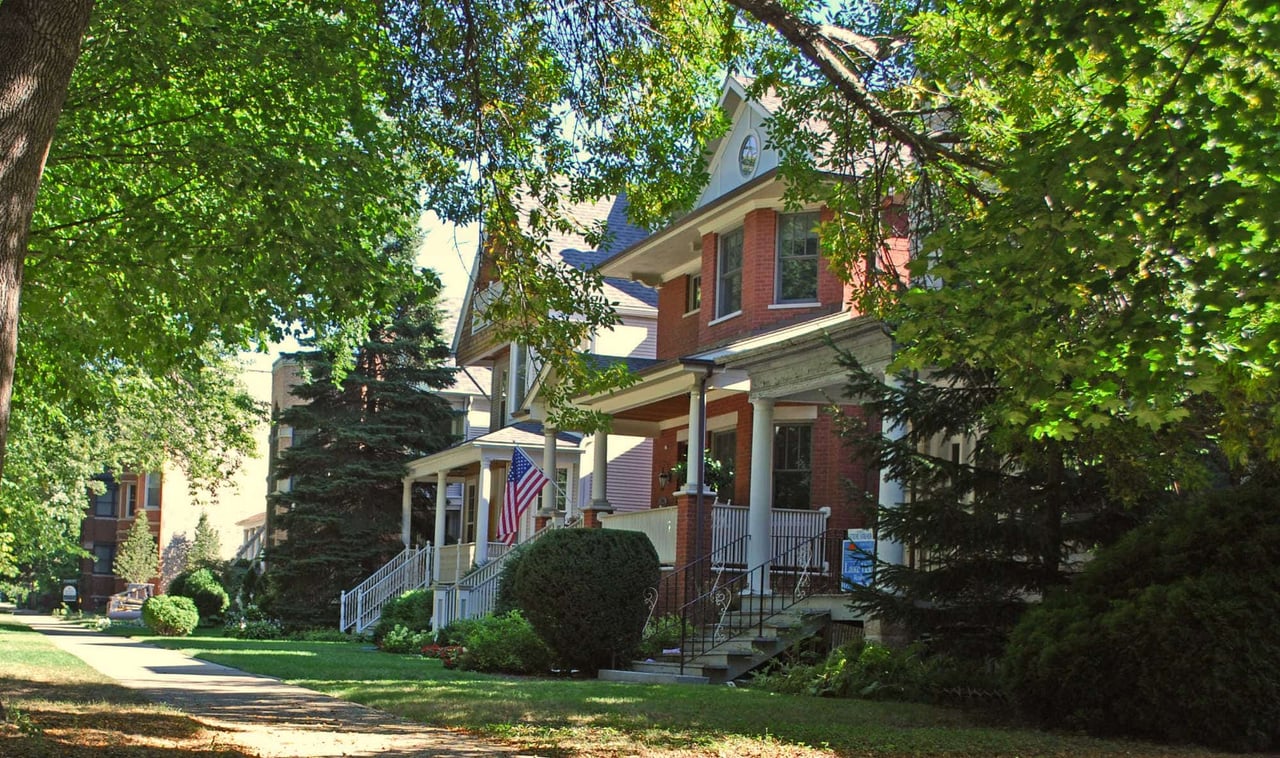
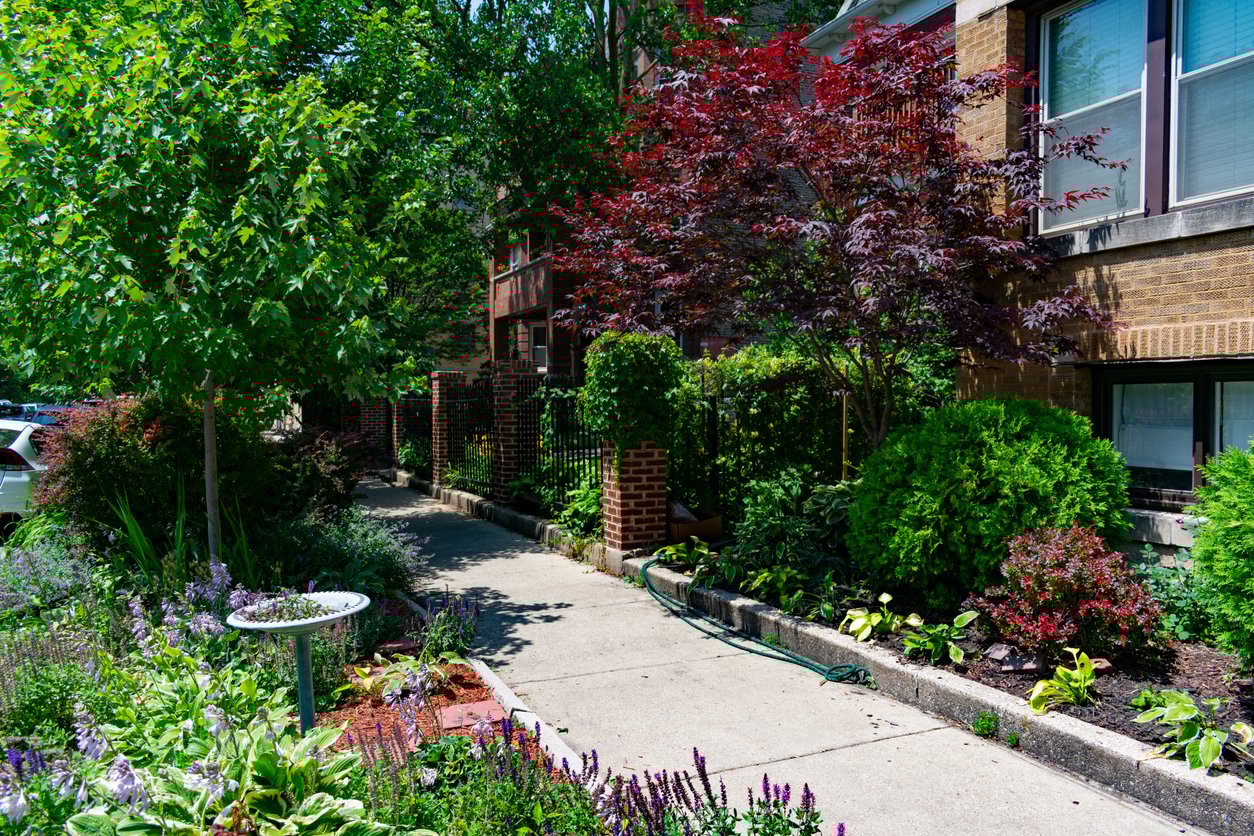
Housing is classic Chicago workers' stock: brick two-flats and three-flats, workers cottages, and bungalows toward the western blocks, most of it vintage with renovation activity ongoing. Two-flats dominate, keeping the neighborhood one of the city's strongholds of multigenerational and owner-occupied multifamily living.
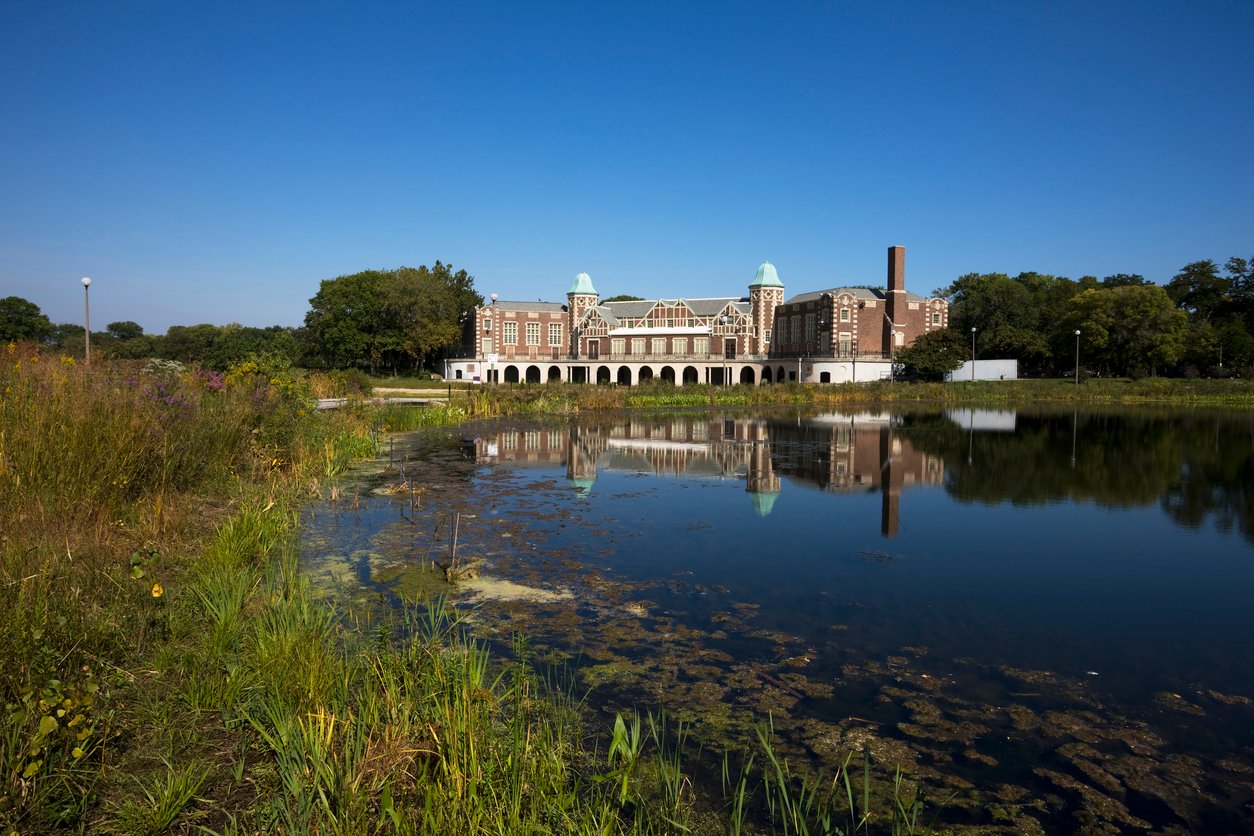
The Pink Line runs along the neighborhood's northern edge with stops at California, Kedzie, and Central Park, reaching the Loop in about 20 minutes, and buses run constantly on 26th, Kedzie, and Pulaski. La Villita Park added 21 acres of fields and courts on the east side in 2014, and Piotrowski Park covers the west with a pool and field house.
Little Village offers one of the city's great commercial streets, deep cultural life, and the classic two-flat housing stock that built working Chicago.
Do you need a car in Little Village?
Not necessarily — the Pink Line runs along the northern edge and buses are frequent on 26th, Kedzie, and Pulaski. Many households keep a car, and parking is generally manageable.
What types of homes are in Little Village?
Brick two- and three-flats above all, plus workers cottages and bungalows toward the western blocks. Most of the stock is vintage, with ongoing renovation.
What is Little Village known for?
The 26th Street corridor — one of the busiest commercial streets in Chicago — the landmark Little Village Arch, its Mexican Independence Day celebrations, and its standing as the heart of Mexican Chicago.
Little Village vs. Pilsen: what's the difference?
Both are centers of Mexican-American culture on the Lower West Side. Pilsen has the murals, the museum, and more loft and condo inventory; Little Village is larger and more residential, organized around the 26th Street corridor and its two-flats.
There's plenty to do around Little Village, including shopping, dining, nightlife, parks, and more. Data provided by Walk Score and Yelp.
Explore popular things to do in the area, including La Jalicience, El Palacio de la Naturaleza, and La Colminta Mercantin Wholesale.
| Name | Category | Distance | Reviews |
Ratings by
Yelp
|
|---|---|---|---|---|
| Dining | 0.24 miles | 1 review | 5/5 stars | |
| Dining | 0.68 miles | 0 reviews | 0/5 stars | |
| Dining | 0.98 miles | 0 reviews | 0/5 stars | |
| Dining | 1.01 miles | 0 reviews | 0/5 stars | |
| Shopping | 0.47 miles | 0 reviews | 0/5 stars | |
| Shopping | 0.47 miles | 0 reviews | 0/5 stars | |
| Shopping | 0.66 miles | 2 reviews | 3/5 stars | |
| Active | 0.98 miles | 0 reviews | 0/5 stars | |
| Beauty | 0.17 miles | 1 review | 5/5 stars | |
| Beauty | 0.46 miles | 0 reviews | 0/5 stars | |
| Beauty | 0.7 miles | 0 reviews | 0/5 stars | |
| Beauty | 0.79 miles | 0 reviews | 0/5 stars | |
|
|
||||
|
|
||||
|
|
||||
|
|
||||
|
|
||||
|
|
There's plenty to do around Little Village, including shopping, dining, nightlife, parks, and more. Data provided by Walk Score and Yelp.
Explore popular things to do in the area, including La Jalicience, El Palacio de la Naturaleza, and La Colminta Mercantin Wholesale.
| Name | Category | Distance | Reviews |
Ratings by
Yelp
|
|---|---|---|---|---|
| Dining | 0.24 miles | 1 review | 5/5 stars | |
| Dining | 0.68 miles | 0 reviews | 0/5 stars | |
| Dining | 0.98 miles | 0 reviews | 0/5 stars | |
| Dining | 1.01 miles | 0 reviews | 0/5 stars | |
| Shopping | 0.47 miles | 0 reviews | 0/5 stars | |
| Shopping | 0.47 miles | 0 reviews | 0/5 stars | |
| Shopping | 0.66 miles | 2 reviews | 3/5 stars | |
| Active | 0.98 miles | 0 reviews | 0/5 stars | |
| Beauty | 0.17 miles | 1 review | 5/5 stars | |
| Beauty | 0.46 miles | 0 reviews | 0/5 stars | |
| Beauty | 0.7 miles | 0 reviews | 0/5 stars | |
| Beauty | 0.79 miles | 0 reviews | 0/5 stars | |
|
|
||||
|
|
||||
|
|
||||
|
|
||||
|
|
||||
|
|
Little Village has 21,081 households, with an average household size of 3. Data provided by the U.S. Census Bureau. Here’s what the people living in Little Village do for work — and how long it takes them to get there. Data provided by the U.S. Census Bureau. 69,845 people call Little Village home. The population density is 26,709 and the largest age group is Data provided by the U.S. Census Bureau.
Total Population
Population Density Population Density This is the number of people per square mile in a neighborhood.
Median Age
Men vs Women
Population by Age Group
0-9 Years
10-17 Years
18-24 Years
25-64 Years
65-74 Years
75+ Years
Education Level
Total Households
Average Household Size
Average individual Income
Households with Children
With Children:
Without Children:
Blue vs White Collar Workers
Blue Collar:
White Collar:
1875 N DAMEN AVE CHICAGO IL 60647
1875 N DAMEN AVE CHICAGO IL 60647