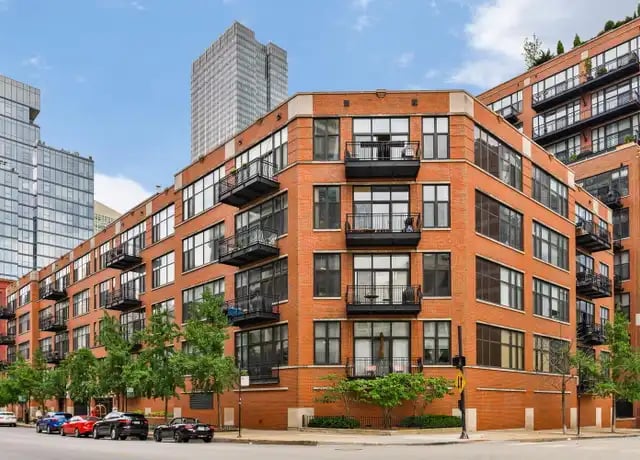
River North is the most varied condo market downtown. In a few blocks you'll find 1910s brick-and-timber loft conversions, glassy new towers, and full-service buildings with door staff and a pool. For a first-time buyer that variety is the appeal — and it's also the catch. Two condos with the same square footage and a similar price can turn into completely different purchases depending on the building they sit in.
I help first-time buyers through this neighborhood a lot, and the single most useful thing I can tell you up front is this: in River North, you're not just buying a unit. You're buying into a building, its finances, and its rules — and one of those rules is whether a lender will even lend on it. Let's start there, because it's the thing almost no first-time buyer sees coming.
The building has to qualify for your loan, not just you
You can have perfect credit, a solid down payment, and a clean pre-approval, and still get turned down on a River North condo — because the lender isn't only underwriting you. They're underwriting the building. The industry term is "warrantability," and River North has more non-warrantable buildings than almost any neighborhood in the city.
A building can become hard or impossible to finance with a standard loan when it has too many rented units, when one owner or entity controls a large share of the units, when there's significant commercial space, when the building is experiencing major repair issues, when reserves are thin, or when the association is tied up in litigation. River North is full of buildings that trip at least one of these wires, because the neighborhood has a high concentration of investor-owned units and several hotel-condo and former-hotel towers. Buildings with hotel operations or heavy short-term-rental activity are some of the hardest of all to finance.
This matters most if you're putting down less than 20%. Low-down-payment conventional loans and FHA loans have the strictest building requirements. FHA approval is granted building by building, and most River North buildings simply aren't on the approved list.
The listing agent should be able to answer whether the building is warrantable and/or FHA approved prior to a showing, and then you can ask your lender to confirm if you're interested.
Building types matter
River North has everything from timber lofts to amenity-filled high-rises to former hotel towers, and each comes with different trade-offs in assessments, financing, and lifestyle. Lofts tend to carry lower fees and more character with older mechanicals; full-service and hotel-condo towers offer the richest amenities but can also be the hardest to finance, for the warrantability reasons above. If one of the full-service buildings draws you, get your lender involved early.
HOA fees: read what's inside, not just the number
The biggest sticker shock for first-time buyers here is the spread in monthly assessments. You'll see fees that look alarmingly high next to fees that look suspiciously low, and the instinct is to assume low is automatically good and high is automatically bad. It's not that simple.
An assessment is a bundle. A higher fee often includes heat, air conditioning, water, cable, door staff, and a gym — real costs you'd otherwise pay separately. A lower fee, on the other hand, can save you real money every month, as long as you know what it isn't covering. Between units, the monthly HOA and taxes will have a much more drastic effect on your monthly payment than a price difference of $25k.
Two things I always have first-time buyers look past the monthly number for. First, reserves — how much money the building has saved for big future projects. A building with healthy reserves can replace a roof or modernize elevators without hitting every owner with a surprise bill. A building running on fumes can't. Second, special assessments — one-time charges for major work (sometimes divided monthly depending on how much they are), on top of regular dues. Plenty of River North towers are aging into expensive capital projects right now (facades, elevators, garages, plumbing risers), and lenders have gotten much stricter about scrutinizing building reserves and deferred maintenance. A pending special assessment can add thousands to your first year, so it's something we ask about before you offer, not after.
This is also why I think price per square foot is one of the least useful numbers in River North. A loft with low assessments and no amenities has a very different monthly cost and resale profile than a newer full-service building with a higher price per square foot — and the per-foot number captures none of that. The whole ownership picture matters more than any single figure.
Budget the all-in monthly — and the closing costs nobody warns you about
A listing can look affordable on the mortgage alone and feel very different once you stack everything on top. Before you fall for any unit, build your real monthly number: principal and interest, property taxes, insurance, the HOA assessment, and parking if it isn't included.
Two River North–specific budget notes. Parking is frequently deeded and sold separately — a space can add $25,000 to $50,000 to the purchase, and some older buildings have no parking at all or only leased spots. Decide early whether parking is a requirement or a nice-to-have, because it shifts both your budget and which buildings are even on the table. A unit with deeded parking is also easier to resell later.
And the closing cost first-time buyers never see coming: the City of Chicago transfer tax is paid by the buyer. It runs $3.75 per $500 of the price — about $3,000 on a $400,000 condo — and it's due at closing on top of your down payment and your lender's costs. (The smaller state and county transfer taxes are the seller's responsibility.)
The documents you get — and when you actually get them
Illinois gives condo buyers real access to a building's financial picture, and you should use every bit of it. For a resale, the association has to provide written disclosures under Section 22.1 of the Condominium Property Act — unpaid assessments, anticipated capital expenditures for the next two years, reserve status, the latest financial statement, pending litigation, insurance, and the governing documents.
Here's the part the generic guides get wrong about timing: you don't gather these yourself before you make an offer. In Illinois, your attorney requests them once you're under contract, and you review them during the condo document review period, which typically happens once you are through inspections. Most often we can get some of the info ahead of time: how much is in the reserves, whether there are any special assessments pending, etc.
When that packet arrives, this is what we're reading for:
- How much is in reserves, and is it enough for a building this age and size?
- What capital projects are coming, and is there a special assessment pending or recently passed?
- Is the association involved in any litigation? (This also ties straight back to financing.)
- What, exactly, does the monthly assessment include?
- Are there rental restrictions — a cap on leased units, or owner-occupancy waiting periods — that would matter if you ever want to rent it out later?
If something in there needs explaining, that review window is when we deal with it, with the ability to walk away if the numbers don't hold up.
How the buying process actually works here
First-time buyers are often surprised that Illinois is an attorney state. Your purchase runs on three sets of hands: your REALTOR®, your attorney, and the title company. I find your condo, run the numbers, write and negotiate your offer, and manage your inspection. Your attorney handles the legal review, the 22.1 documents, and the closing paperwork. Your lender orders the appraisal, and the attorneys and title company handle transfer stamps and prorations.
Once your offer is accepted you're "under contract," which kicks off a short attorney-review period (usually about five business days) and your inspection, while your loan moves toward final approval. From accepted offer to keys, a typical condo closing runs about 30 days — occasionally 45 to 60, but 30 is the norm. It moves faster than most first-timers expect, which is exactly why the building homework happens before the offer, not during.
Shop the building, not just the unit
One thing I've noticed over the years is that the buyers who are happiest with their purchase tend to focus on the building as much as the unit itself. A kitchen can be redone. The reserves, the rental cap, the financing status, and a looming facade project come exactly as they are. River North especially rewards that lens, because two near-identical units can be very different buys depending on the building wrapped around them.
Thinking about buying a condo in River North? One of the real advantages of working with someone who sells downtown regularly is knowing which buildings deserve a closer look and which ones call for more caution. I'm always happy to answer questions or walk through how financing, assessments, and building finances fit into your budget before you start touring. A little planning early tends to make the whole process much smoother.
FAQs
Why can't I get a loan on some River North condos even though I'm approved? Because lenders underwrite the building, not just you. If a building has too many rentals, heavy investor or single-entity ownership, hotel operations, thin reserves, or pending litigation, it can be "non-warrantable," meaning standard loans won't cover it. River North has a lot of these, so have your lender check the building before you offer — especially if you're putting down less than 20%.
Is a higher HOA fee a bad sign? Not necessarily — and a lower one isn't automatically a good sign either. The fee is a bundle, and a higher one often includes heat, air conditioning, water, cable, staff, and amenities you'd otherwise pay for separately. A low fee can be a genuine deal in a smaller, well-run, self-managed building, or it can mean one that isn't saving enough in reserves. Either way, compare what's included and look at the building's reserves and any pending special assessments, not just the monthly number.
What surprise costs should a first-time buyer in Chicago plan for? The big one is the City of Chicago transfer tax, which the buyer pays — about $3,000 on a $400,000 condo, due at closing. Beyond that, budget for parking if it's not included (often deeded and sold separately here), property taxes, insurance, and your HOA dues. I put together a full cost sheet early so nothing at the closing table is a surprise.
When do I get to see the building's financials? After you're under contract, not before you offer. Your attorney requests the Section 22.1 disclosures — reserves, capital projects, litigation, insurance, the financials — and you review them during the condo document review period. We can often get some of the key numbers, like reserves and any pending special assessments, ahead of time.
How long does it take to actually buy a condo here? From accepted offer to keys, usually about 30 days — sometimes 45 to 60, but 30 is typical. That's why the building research happens before the offer: once you're under contract, things move quickly.
Should I focus on the unit or the building? Start with the building. Kitchens and finishes can change; reserve levels, rental rules, financing restrictions, and upcoming capital projects are much harder to change. Two near-identical River North units can be very different buys depending on the building wrapped around them.