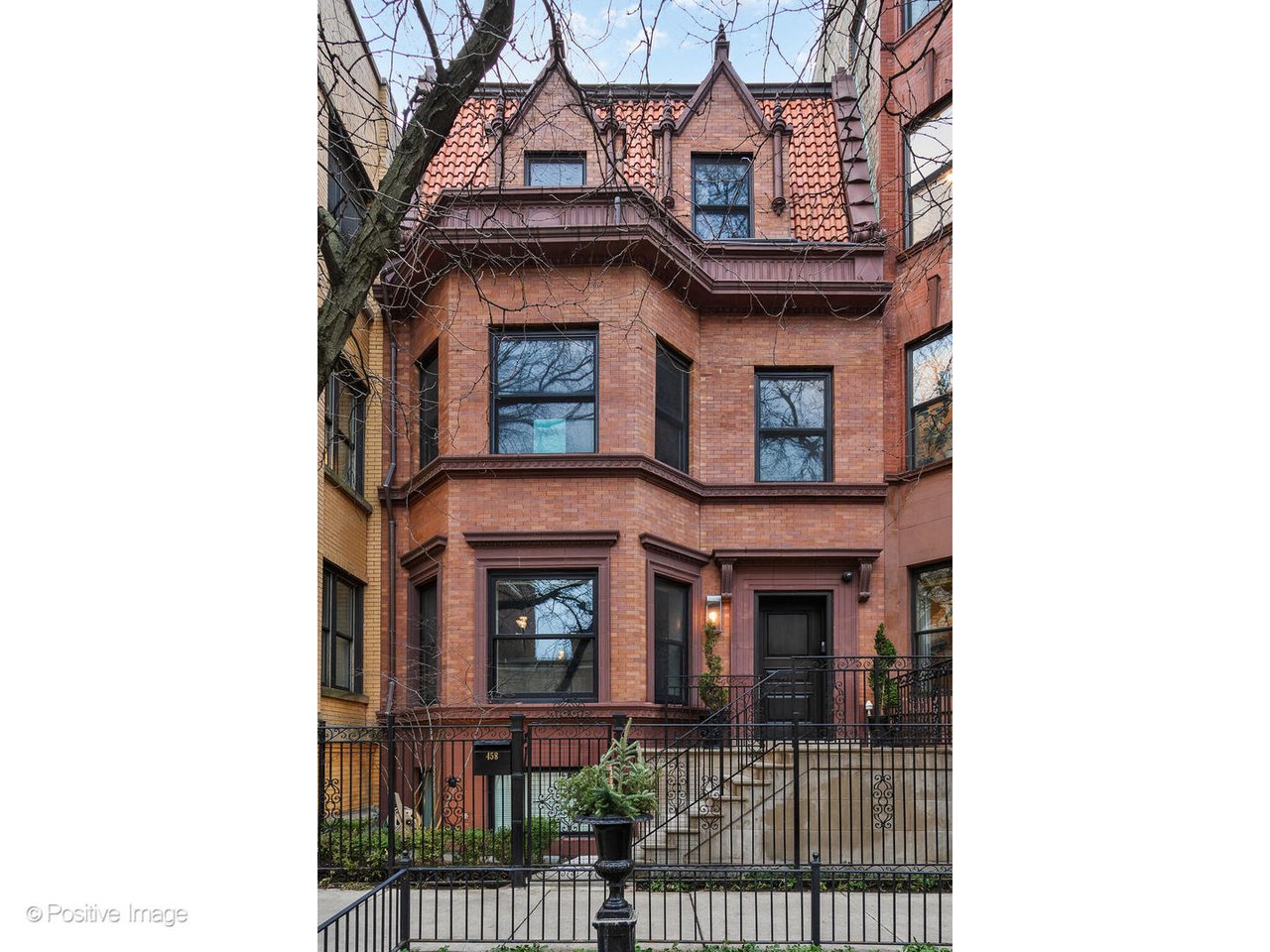
Moving Up in Lincoln Park: The Housing Ladder Isn't What You Think
In the last six months, 51 single family homes closed in Lincoln Park. Only 17 of them sold under $2 million. Even working in this industry, the price jump in Lincoln Park is hard to process at times.
When a condo owner tells me they love the neighborhood and just need more space, the first conversation we have isn't about houses. It's about what a house actually costs here now, and whether the middle of the market, the part most buyers skip right past, is the better move.
The house tier moved fast
Houses under $2 million do still trade in Lincoln Park. They're a third of recent sales. But they tend to come with a project, a compromised lot, odd layout, etc. If you're picturing a move-in-ready single family home, the realistic starting point today is a little over $2 million.
That's a bigger jump than most condo owners expect. It's also a bigger jump than it used to be, and buyers who set their mental pricing a few years ago, or when they bought their condo, are usually the most surprised when we start pulling listings. The house didn't get further away because they did anything wrong. Pricing has increased.
The middle of the market is scrambled
Here's what buyers consistently get wrong about the step below a house. Everyone assumes the ladder runs condo, then duplex, then townhouse, then house, with each rung costing more than the last. The sales data says otherwise.
Duplex-downs, the two-level condos that live like small houses, have gotten expensive. Plenty now start around $1.2 million, and nearly half of the ones that sold in the past six months closed over $1 million. Meanwhile, almost half of the Lincoln Park townhouses that sold in the same window closed under $1 million. And some of those under-$1 million townhouses are more spacious than duplex-downs costing hundreds of thousands more.
It's backwards from what most buyers assume. In today's Lincoln Park market, the label doesn't tell you the price, and it doesn't tell you the size either.
Part of the explanation is where the square footage lives. Duplex-downs are often split evenly between their two floors, which means close to half the home sits below grade. A townhouse's square footage is stacked above grade. So two listings showing the same 2,400 square feet aren't offering the same 2,400 square feet, and a townhouse can live larger than a duplex-down that matches it on paper.
A lot of my clients land on a duplex-down because it feels like the natural next step from a condo, and it keeps them in the neighborhood. Sometimes it's the right call. But if space is the actual goal, I have them price the townhouse inventory before committing to a duplex search. Paying $1.3 million for a duplex-down when a more spacious townhouse is sitting at $950,000 isn't moving up. It's paying a premium for a category.
The comparison should run on features, not labels: parking, private entrance, real outdoor space, how the bedrooms lay out. Whichever product delivers your list at the better number wins, regardless of what it's called. A lot of duplex-downs have all of the bedrooms on the lower level, which most buyers don't love.
What the premium is actually buying
None of this is an argument against the neighborhood. People pay to stay here for reasons that I understand: the lakefront and the park, the shopping and restaurant blocks along Armitage and Halsted, streets of vintage homes most of the city can't match, highly rated schools and walkability.
That's exactly why the middle tier is worth taking seriously. For most owners the real question isn't whether Lincoln Park is worth the money. It's which property type keeps you in it.
If leaving is on the table
Some buyers decide the detached house matters more than the zip code. In Lincoln Square (big Lincoln Square fan over here), you can readily buy a single family home in the low to mid $1 millions, and buyers who start in Lincoln Park will sometimes consider Irving Park too. It's worth pricing that path once, on purpose, so whatever you choose in Lincoln Park is a decision rather than a default.
Selling the condo: what buyers will scrutinize
Before you list, know how your building looks on paper. Buyers' attorneys will read your 22.1 disclosure, the budget, the reserves, and the meeting minutes, and they'll find any pending or recently discussed special assessment. If there's a special coming, your pricing and disclosure strategy should account for it from day one, not get negotiated in attorney review after you're under contract.
A strong unit in a building with weak reserves is a harder sale than the finishes suggest. Sellers underestimate this constantly.
Sell first or buy first
The thing you're selling is plentiful and the thing you're buying is scarce. A home-sale contingency is a weak offer, and you'd be attaching it to exactly the properties that draw competition.
Most move-up buyers here handle it one of two ways. They sell first, bank the equity, and accept some flexibility on timing (post-closing possession). Or they arrange financing, usually a HELOC or bridge loan, that lets them buy without a contingency and sell after.
Decide the tier before you tour
Duplex, townhouse, detached, or a different neighborhood. In Lincoln Park those are different budgets and different inventory pools, and as the numbers above show, they aren't priced the way you'd guess. The first step isn't a Sunday of open houses. It's running what your condo will actually net against what each tier actually costs right now, so you're touring the search you can win.
If you're trying to figure out what your equity buys in this market, that's the conversation I'd start with.
FAQs
Can I buy a single family home in Lincoln Park for under $2 million?
It happens, about a third of recent sales closed below that, but those homes usually need work or sit on compromised lots. For a move-in-ready house, realistic budgets start a little over $2 million.
Are townhouses really cheaper than duplex-downs in Lincoln Park?
Often, yes. In the past six months, nearly half of townhouse sales closed under $1 million while nearly half of duplex-down sales closed over it, and some of those townhouses offer more space than pricier duplex-downs. Compare both before assuming the duplex is the affordable option.
What's a duplex-up or duplex-down?
A condo spread across two levels. Up means an upper floor plus the one above it, down means a main floor plus the lower level. They live like small houses but are still condos, with an association and shared walls.
Should I sell my condo before buying?
Usually, yes. It clarifies your budget and keeps you from writing contingent offers on scarce inventory. If you'd rather buy first, talk to a lender about a HELOC or bridge loan before you start touring.
What will buyers look at when I sell my Lincoln Park condo?
Beyond the unit: the association's budget, reserves, the 22.1 disclosure, and any pending special assessments. Get ahead of these before listing so nothing surfaces mid-contract.