Welcome to
Discover Norwood Park Chicago Real Estate & Homes
A city neighborhood with a suburban feel, curving historic streets, Chicago's oldest house, and Metra and Blue Line access.
39,000 people live in Norwood Park, where the median age is 44 and the average individual income is $54,766. Data provided by the U.S. Census Bureau.
Total Population
Median Age
Population Density
Average individual Income
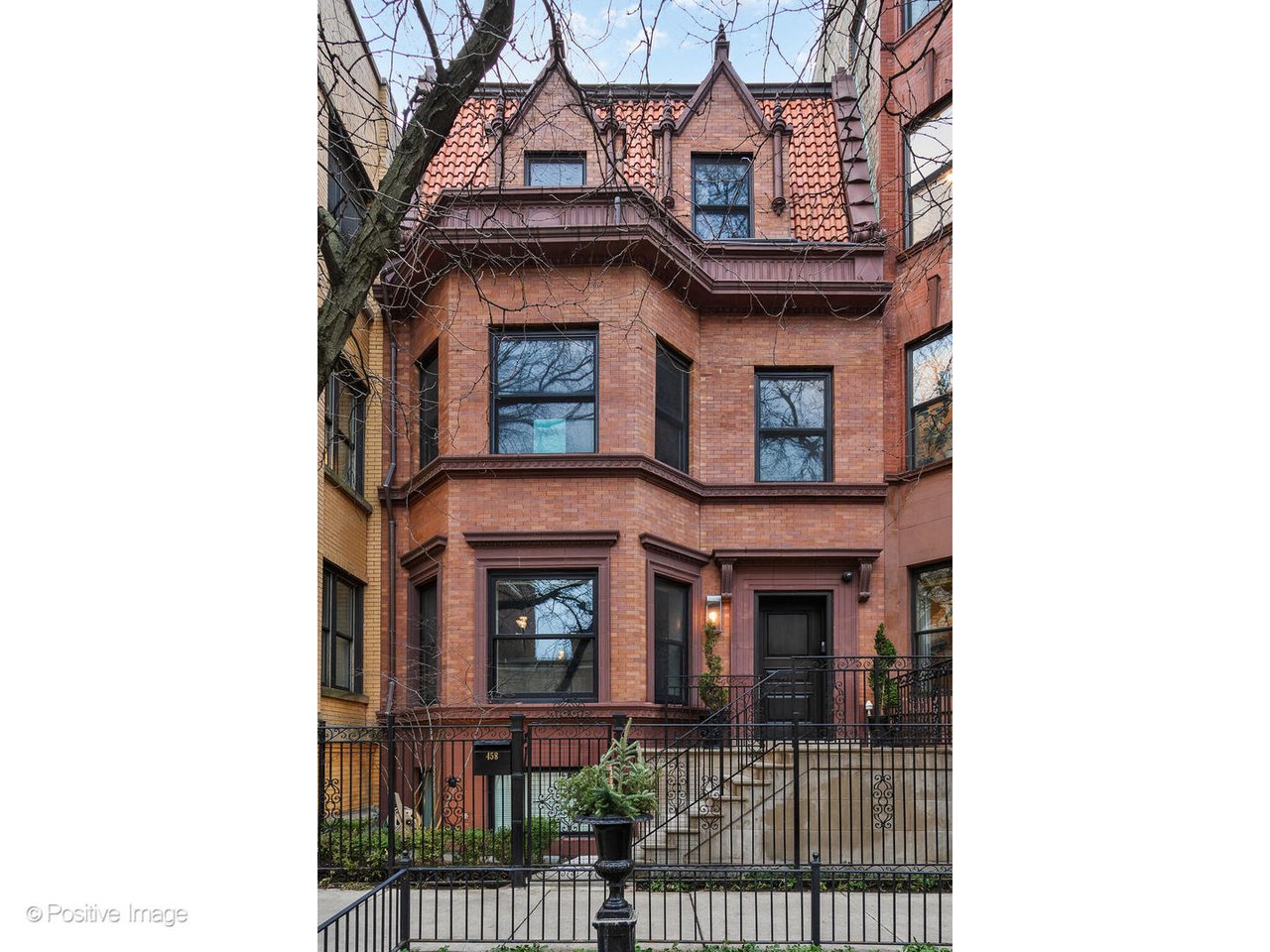
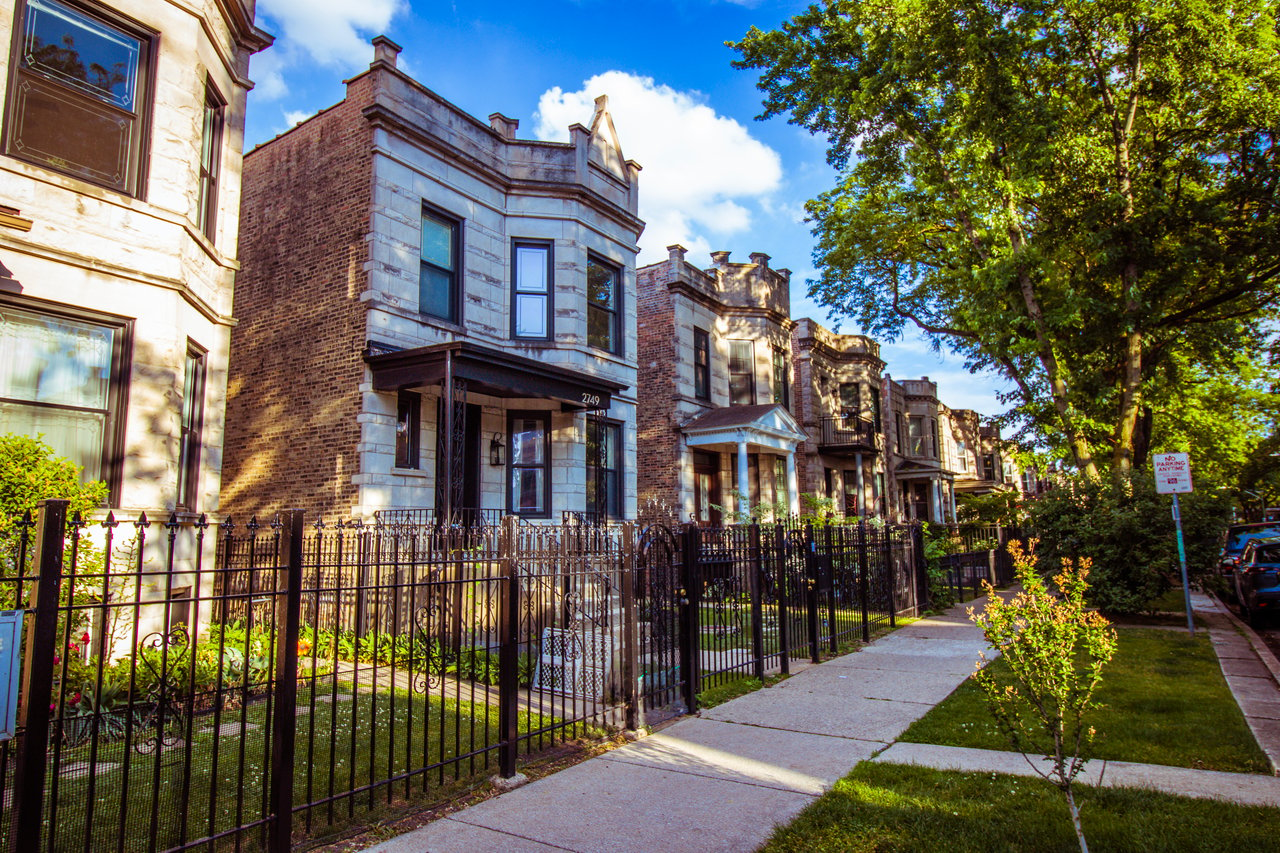
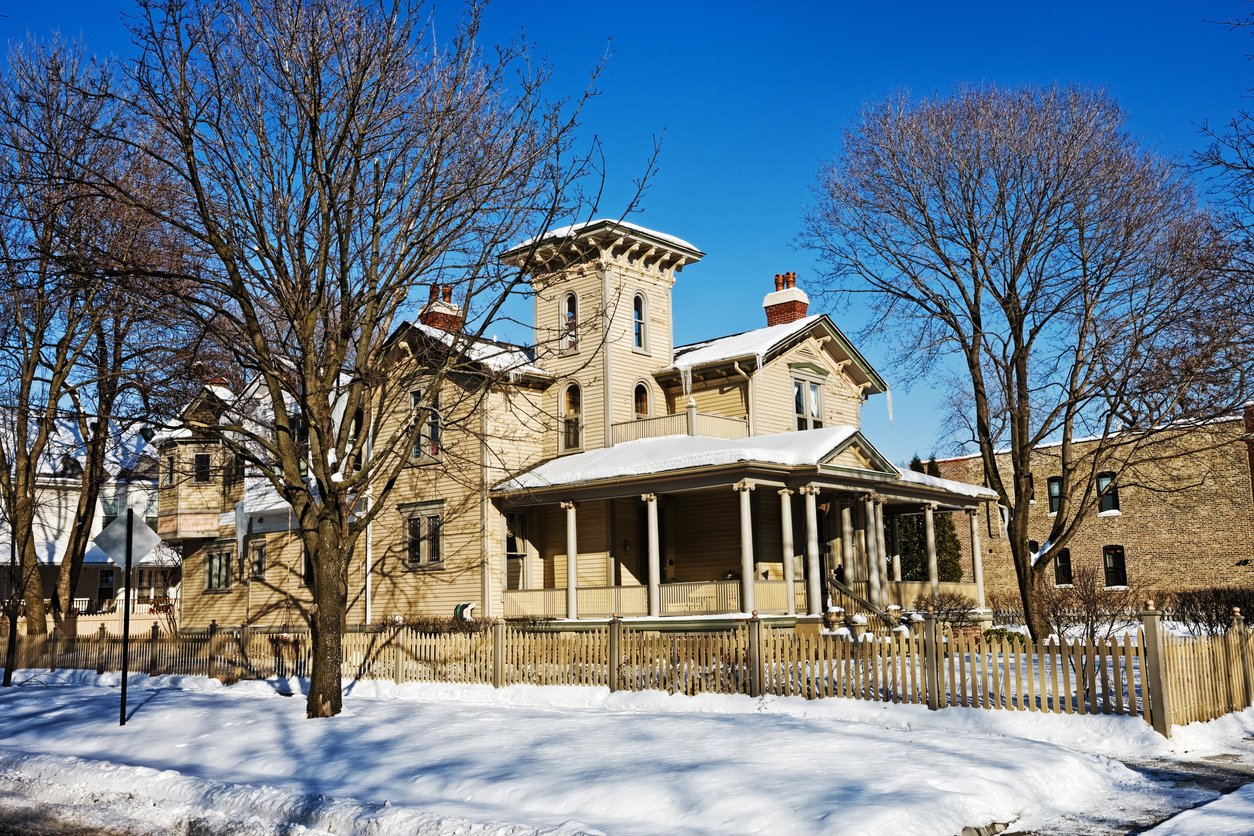
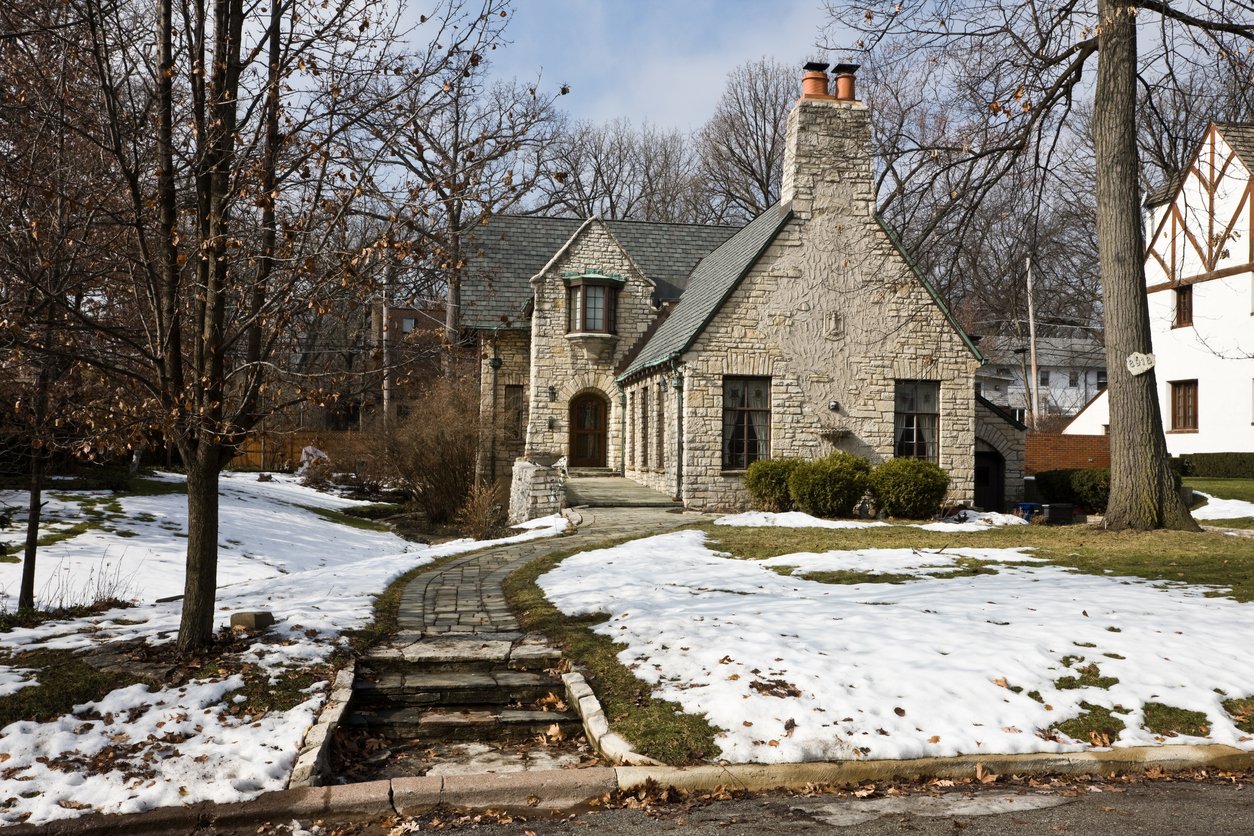
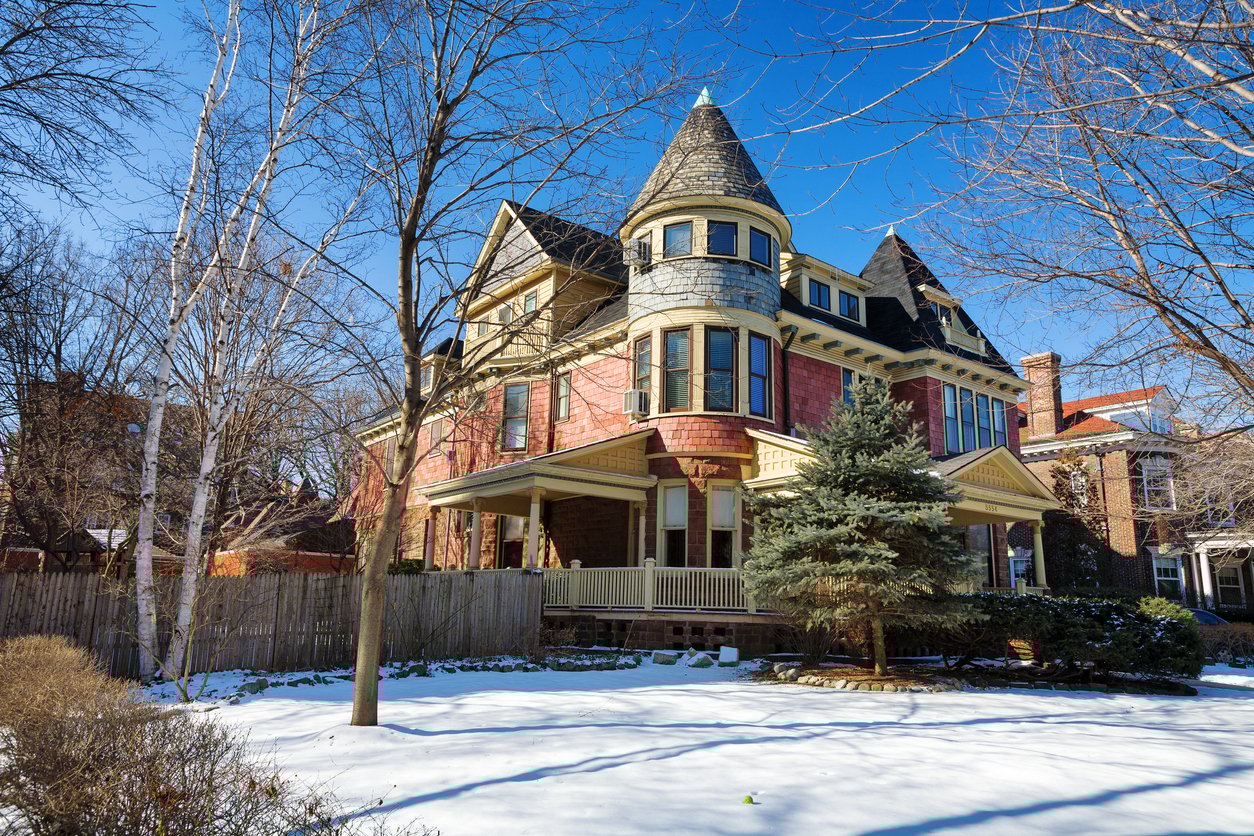
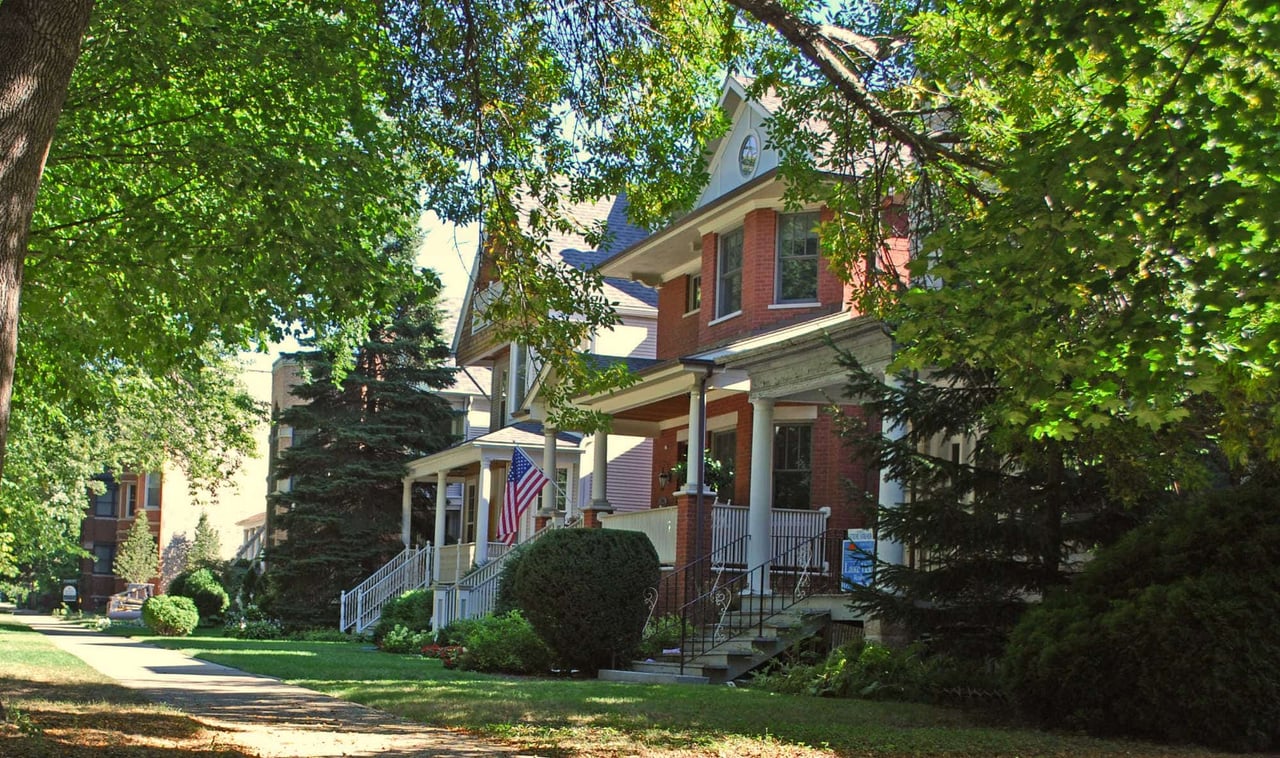
Norwood Park is the city neighborhood that visitors mistake for a suburb — and that's by design. Planned in the 1860s as a picturesque commuter village, its historic core breaks Chicago's relentless grid with curving streets, including the famous Circle, where the roads literally loop. The Norwood Park Historic District preserves that original character, and at its heart stands the Noble-Seymour-Crippen House, built in 1833 and recognized as the oldest existing house in Chicago.
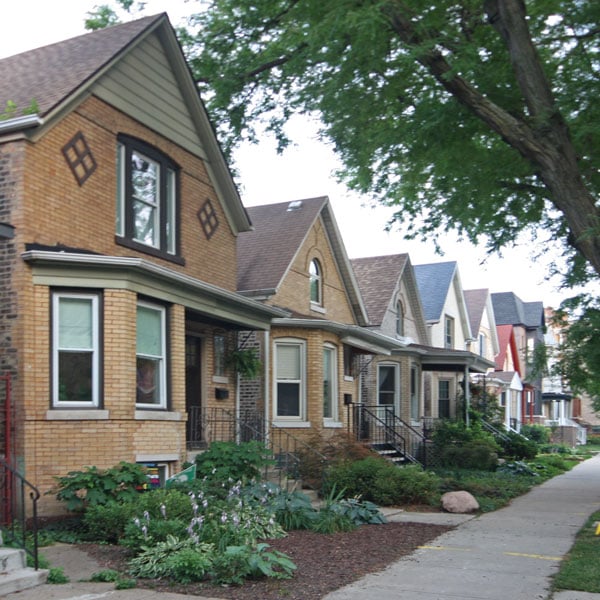
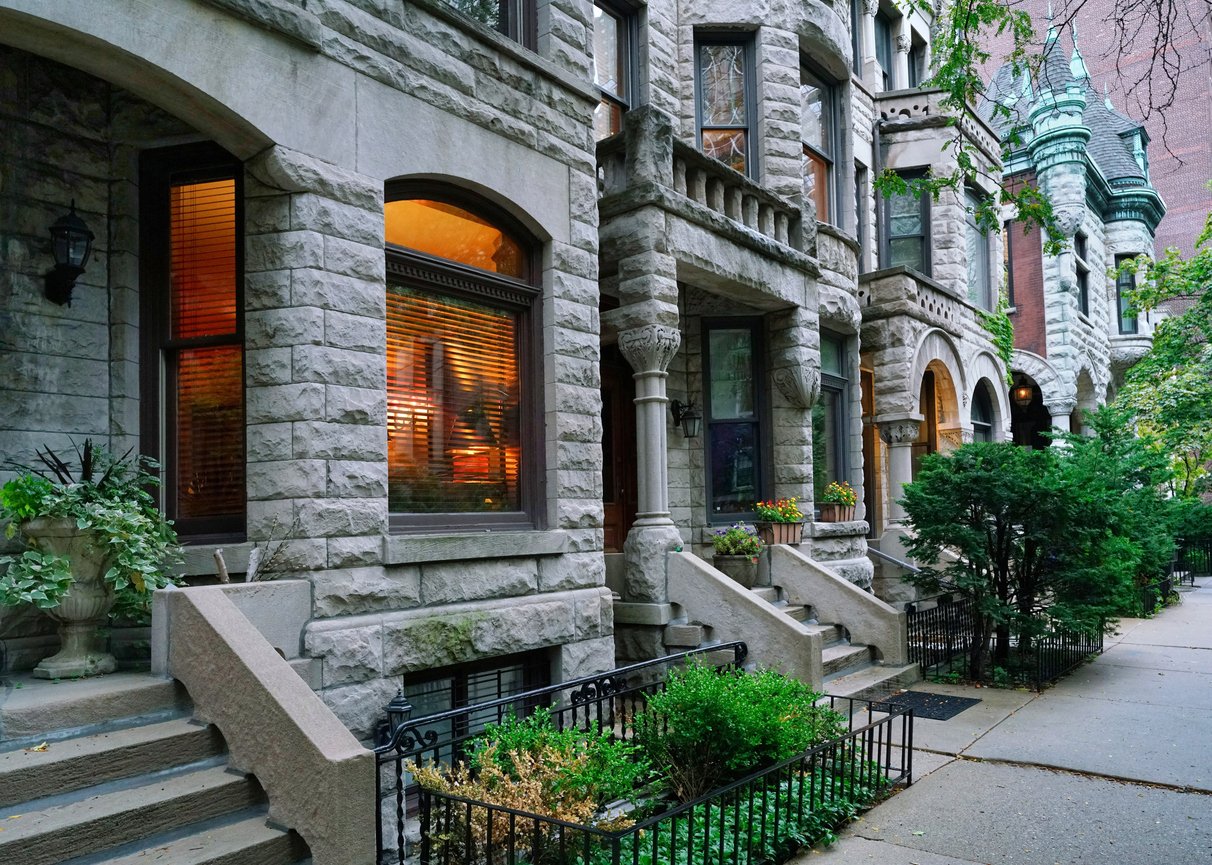
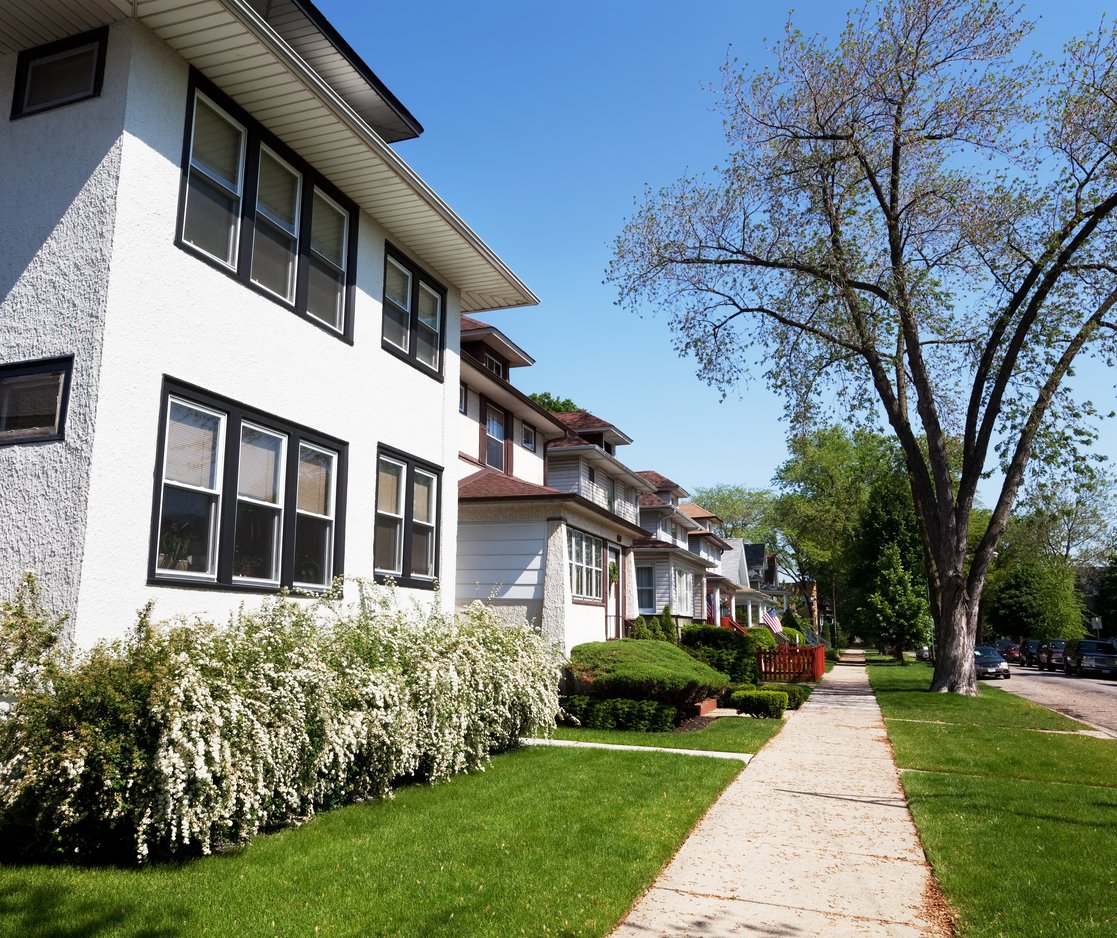
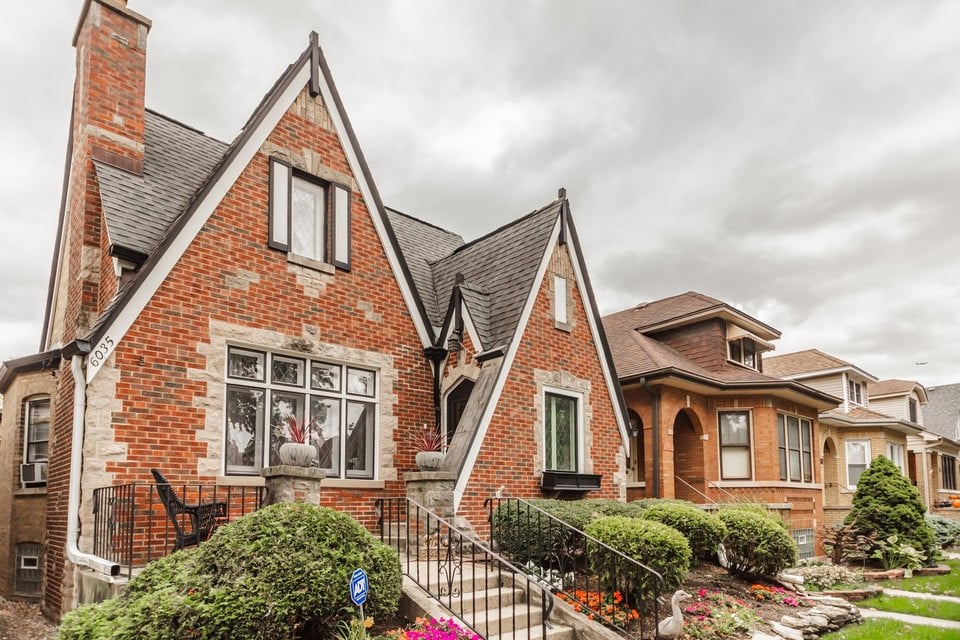
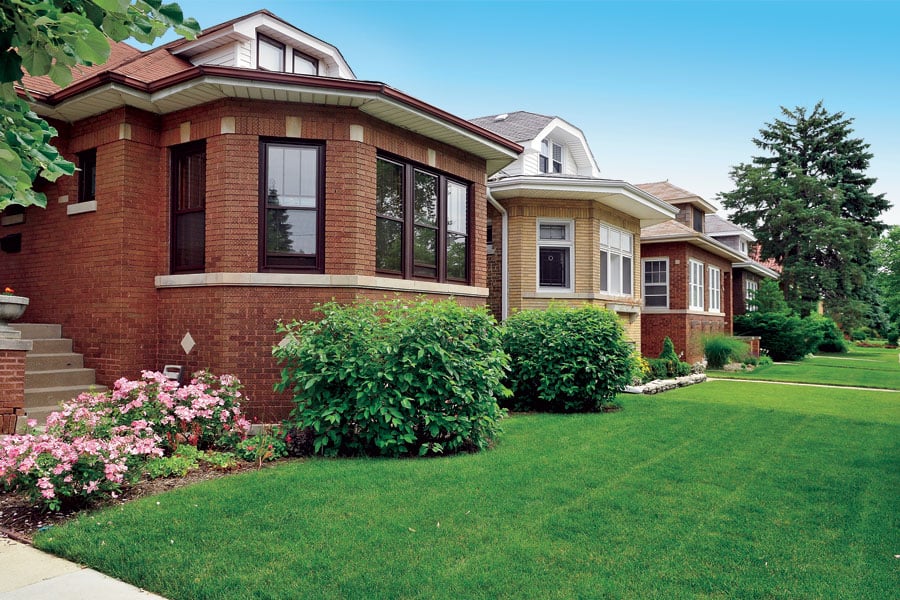
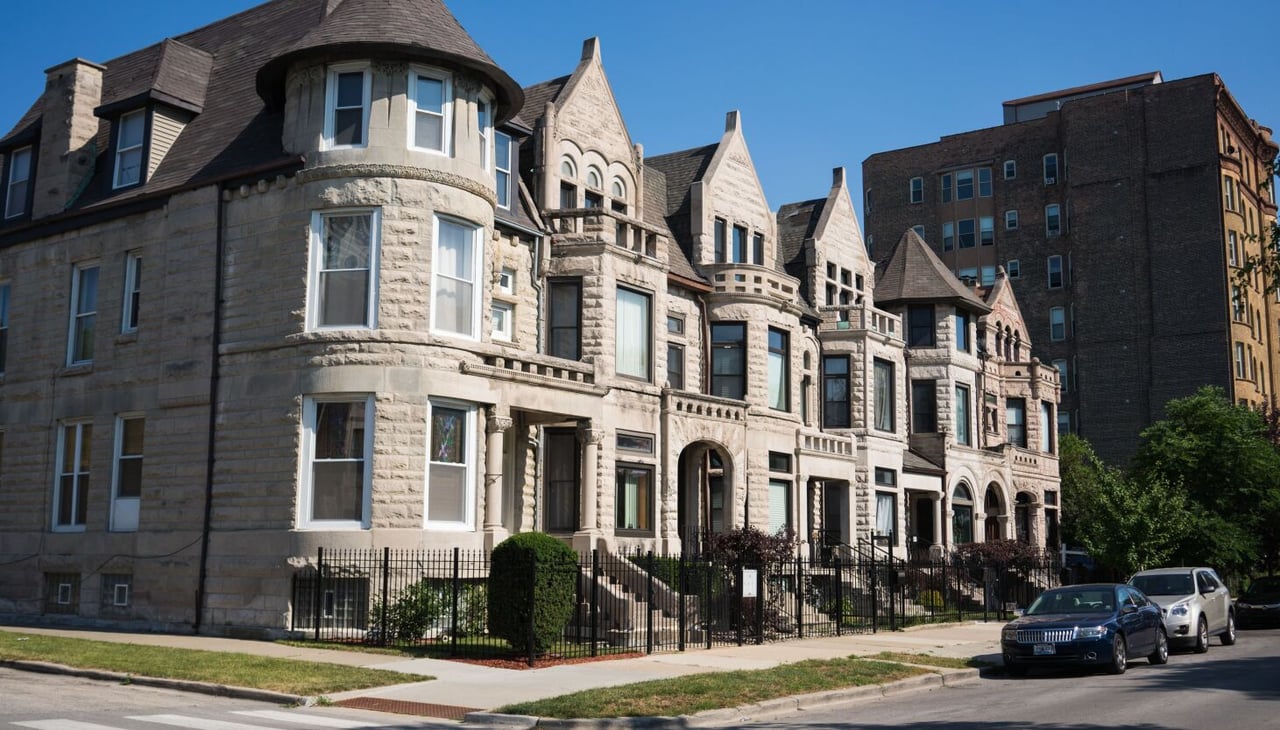
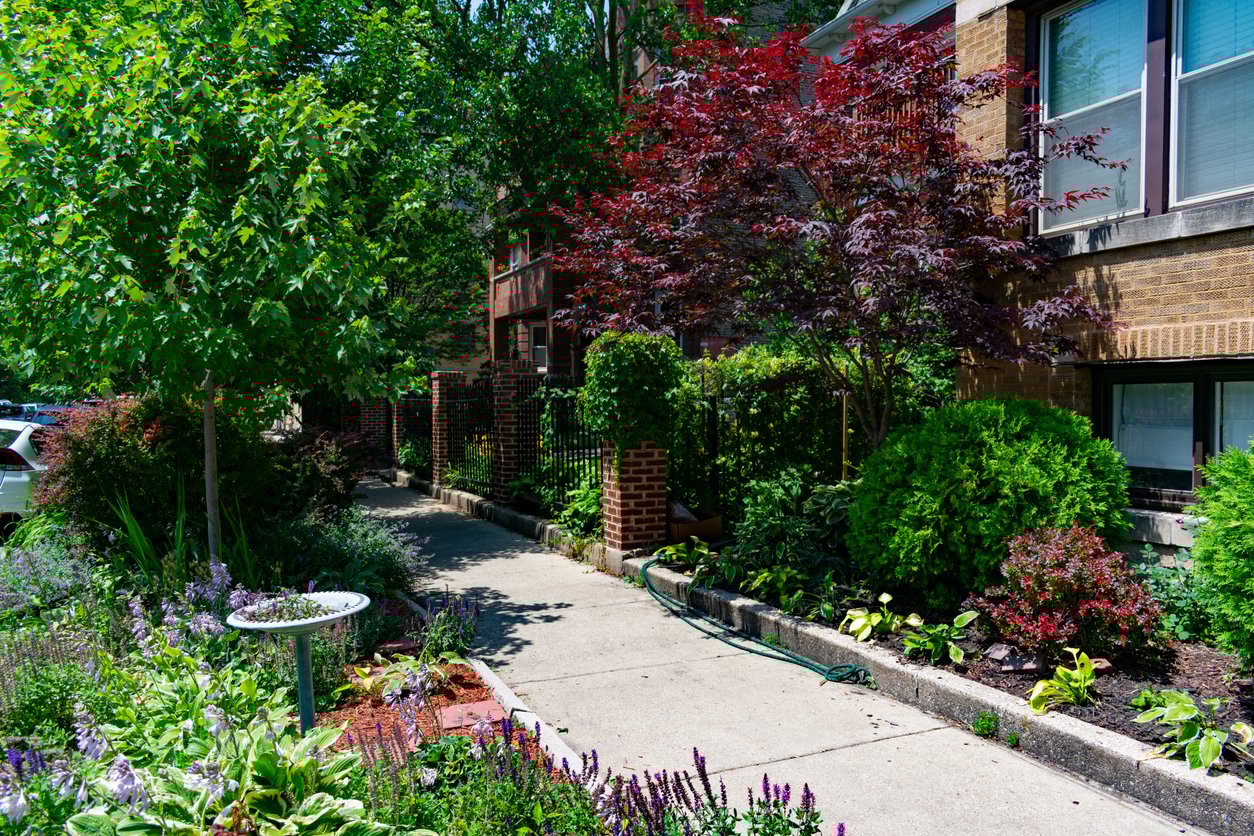
Housing runs from the historic district's Victorians and farmhouse-era homes to the brick bungalows, cape cods, georgians, and ranches that fill the surrounding blocks, generally on lots larger than most of the city offers. The neighborhood has long been a favorite of police officers, firefighters, and other city workers who must live within Chicago and want a house, a yard, and a garage while staying inside the line.
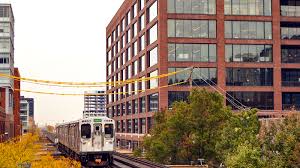
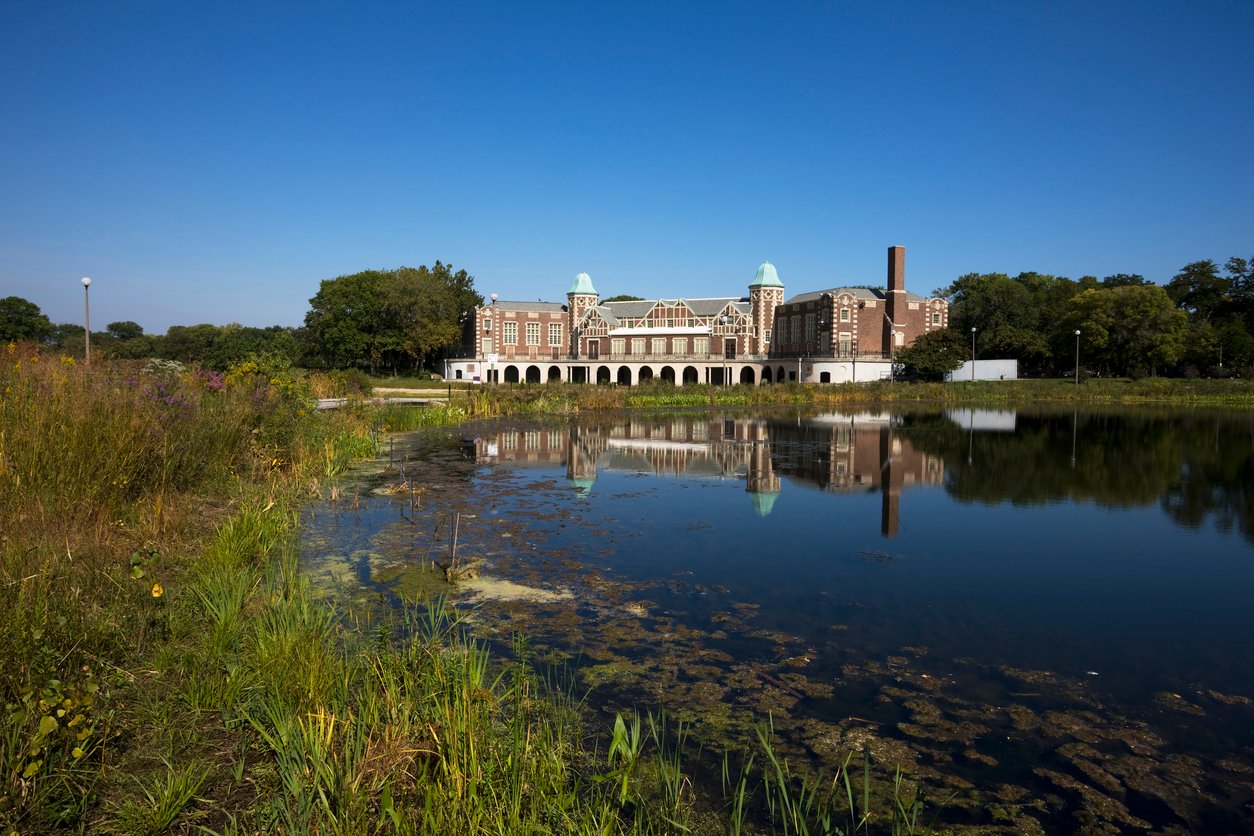
Daily life centers on Northwest Highway's shops and restaurants and the neighborhood's namesake park, with the forest preserves along the Des Plaines River minutes west. The Metra Union Pacific Northwest line stops at Norwood Park itself, and the Blue Line's Harlem station sits along the Kennedy at the neighborhood's southern edge, giving residents both a commuter train and the L — plus O'Hare a few minutes away.
Norwood Park offers something genuinely uncommon: suburban-scale houses, historic streets, and the oldest house in Chicago — all on a city address with two trains downtown.
Do you need a car in Norwood Park?
Most households keep one — this is a house-and-garage neighborhood — but the Metra stops in the neighborhood and the Blue Line's Harlem station is at the southern edge, so car-free commuting is realistic.
What types of homes are in Norwood Park?
Victorians and farmhouse-era homes in the historic district, plus brick bungalows, cape cods, georgians, and ranches on larger-than-typical city lots.
What is Norwood Park known for?
Its curving streets and the Circle, the Norwood Park Historic District, and the Noble-Seymour-Crippen House — built in 1833, the oldest existing house in Chicago.
Park Ridge vs. Norwood Park: what's the difference?
They border each other at the city limit. Norwood Park is a Chicago neighborhood with a suburban feel and city services; Park Ridge is a separate suburb with its own downtown and the Pickwick Theatre. Housing stock and lot sizes are similar across the border.
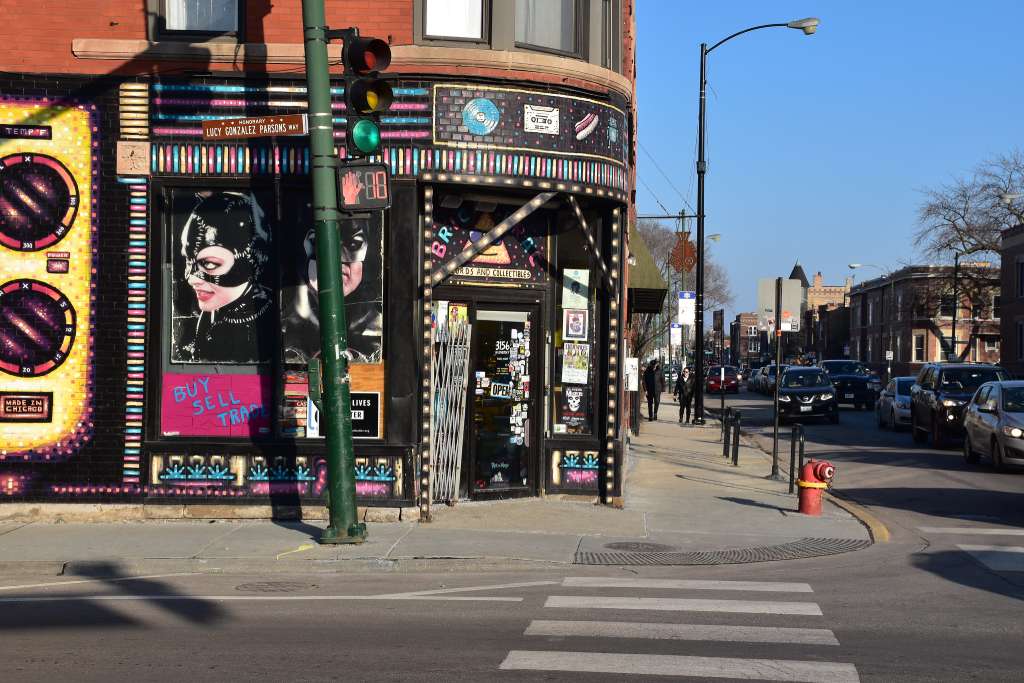
There's plenty to do around Norwood Park, including shopping, dining, nightlife, parks, and more. Data provided by Walk Score and Yelp.
Explore popular things to do in the area, including Bliss Living Foods, Chicago Savings Connection, and Got Qi.
| Name | Category | Distance | Reviews |
Ratings by
Yelp
|
|---|---|---|---|---|
| Dining | 0.67 miles | 0 reviews | 0/5 stars | |
| Dining | 1.11 miles | 0 reviews | 0/5 stars | |
| Active | 0.85 miles | 2 reviews | 3/5 stars | |
| Active | 0.87 miles | 1 review | 3/5 stars | |
| Beauty | 0.31 miles | 2 reviews | 5/5 stars | |
| Beauty | 0.34 miles | 0 reviews | 0/5 stars | |
| Beauty | 0.82 miles | 0 reviews | 0/5 stars | |
|
|
||||
|
|
||||
|
|
||||
|
|
||||
|
|
||||
|
|
Norwood Park has 15,219 households, with an average household size of 3. Data provided by the U.S. Census Bureau. Here’s what the people living in Norwood Park do for work — and how long it takes them to get there. Data provided by the U.S. Census Bureau. 39,000 people call Norwood Park home. The population density is 9,750 and the largest age group is Data provided by the U.S. Census Bureau.
Total Population
Population Density Population Density This is the number of people per square mile in a neighborhood.
Median Age
Men vs Women
Population by Age Group
0-9 Years
10-17 Years
18-24 Years
25-64 Years
65-74 Years
75+ Years
Education Level
Total Households
Average Household Size
Average individual Income
Households with Children
With Children:
Without Children:
Blue vs White Collar Workers
Blue Collar:
White Collar:
1875 N DAMEN AVE CHICAGO IL 60647
1875 N DAMEN AVE CHICAGO IL 60647