Welcome to
Glenview
A north suburb anchored by The Glen, with Wagner Farm, deep park and preserve access, and Metra and Amtrak service.
55,376 people live in Glenview, where the median age is 45.7 and the average individual income is $72,477. Data provided by the U.S. Census Bureau.
Total Population
Median Age
Population Density
Average individual Income
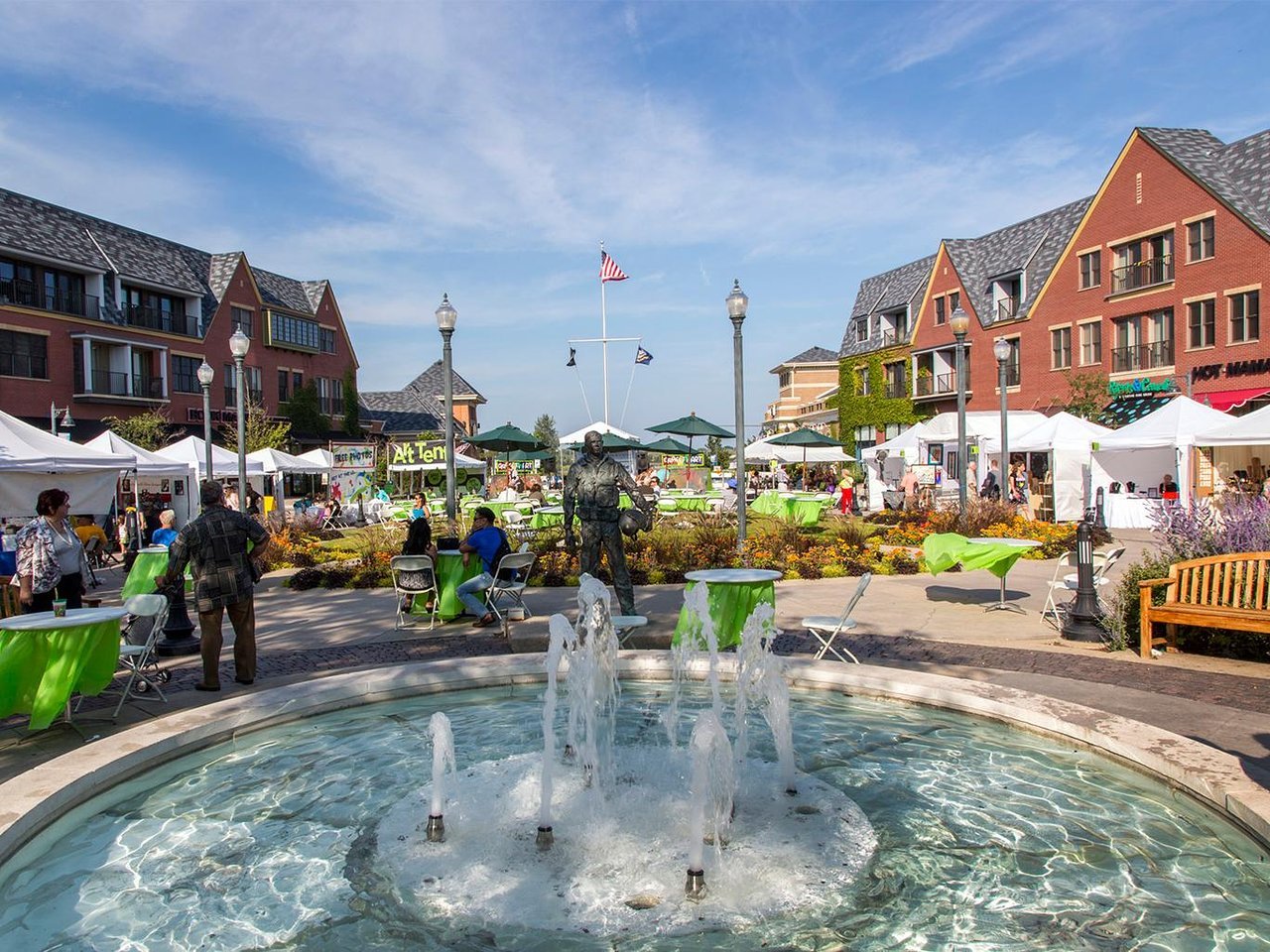
Glenview's modern centerpiece is The Glen — the master-planned district built on the former Glenview Naval Air Station, where Glen Town Center's shops and restaurants, Gallery Park's lake and trails, the Kohl Children's Museum, and newer housing came together around the preserved control tower of the old base. It gave Glenview something most established suburbs never get: a second downtown, built from scratch.
The older amenities hold their own. Wagner Farm is one of the last working farms in the Chicago area, operating as a living-history site with livestock and programs year-round; The Grove, a National Historic Landmark nature preserve, covers prairie and woodland with an interpretive center; and the forest preserves along the Des Plaines River run the western edge. The park district's facilities — pools, ice, golf — are extensive.
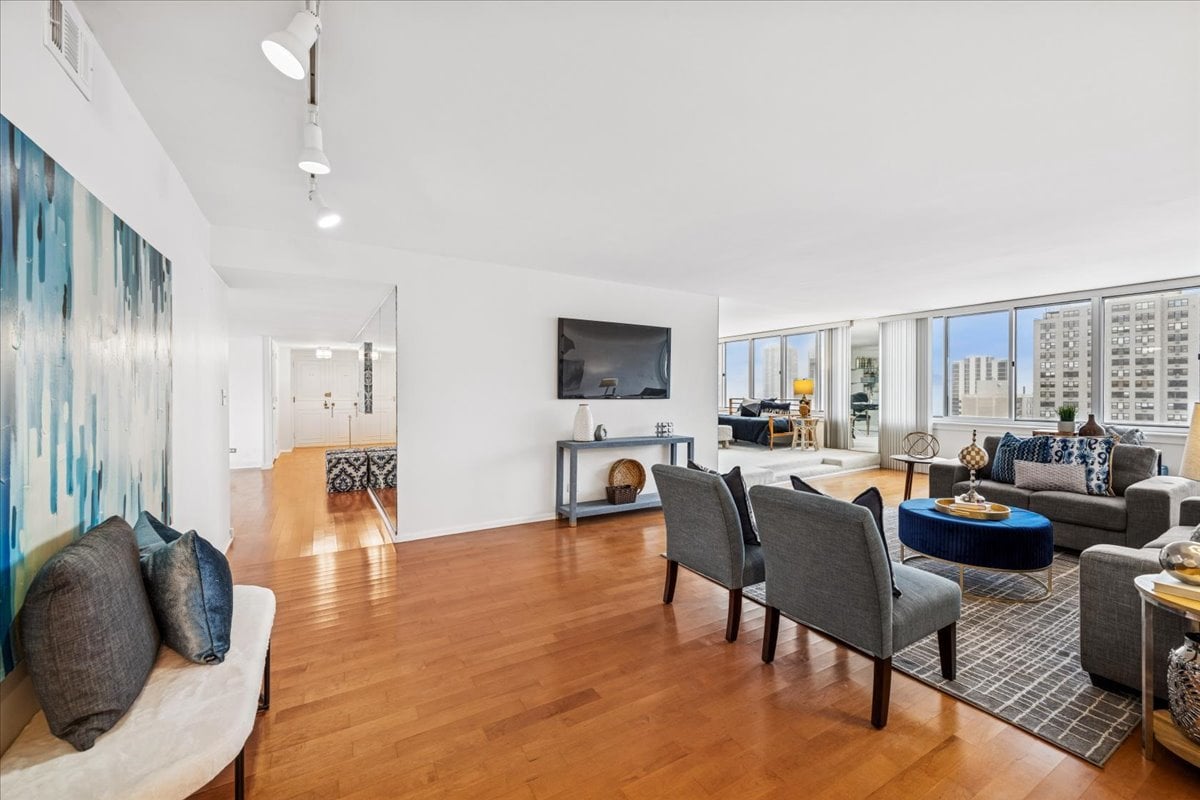
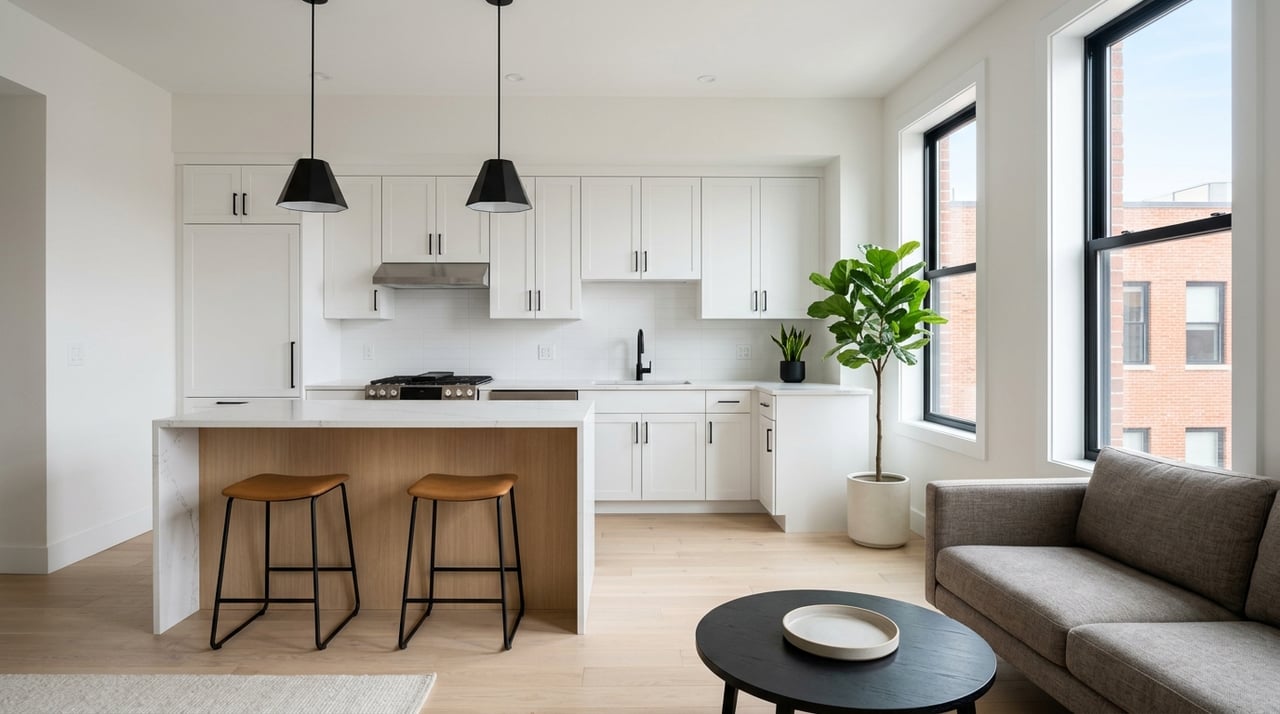
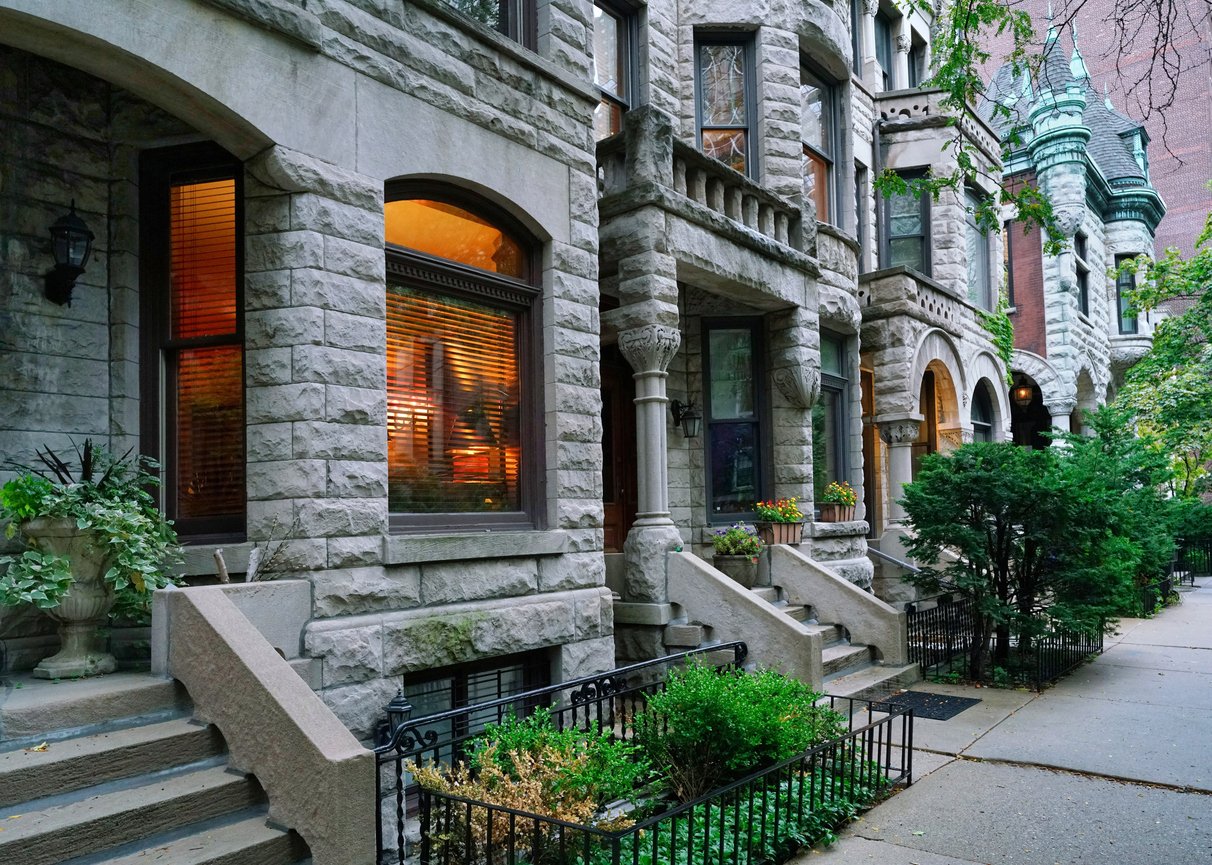
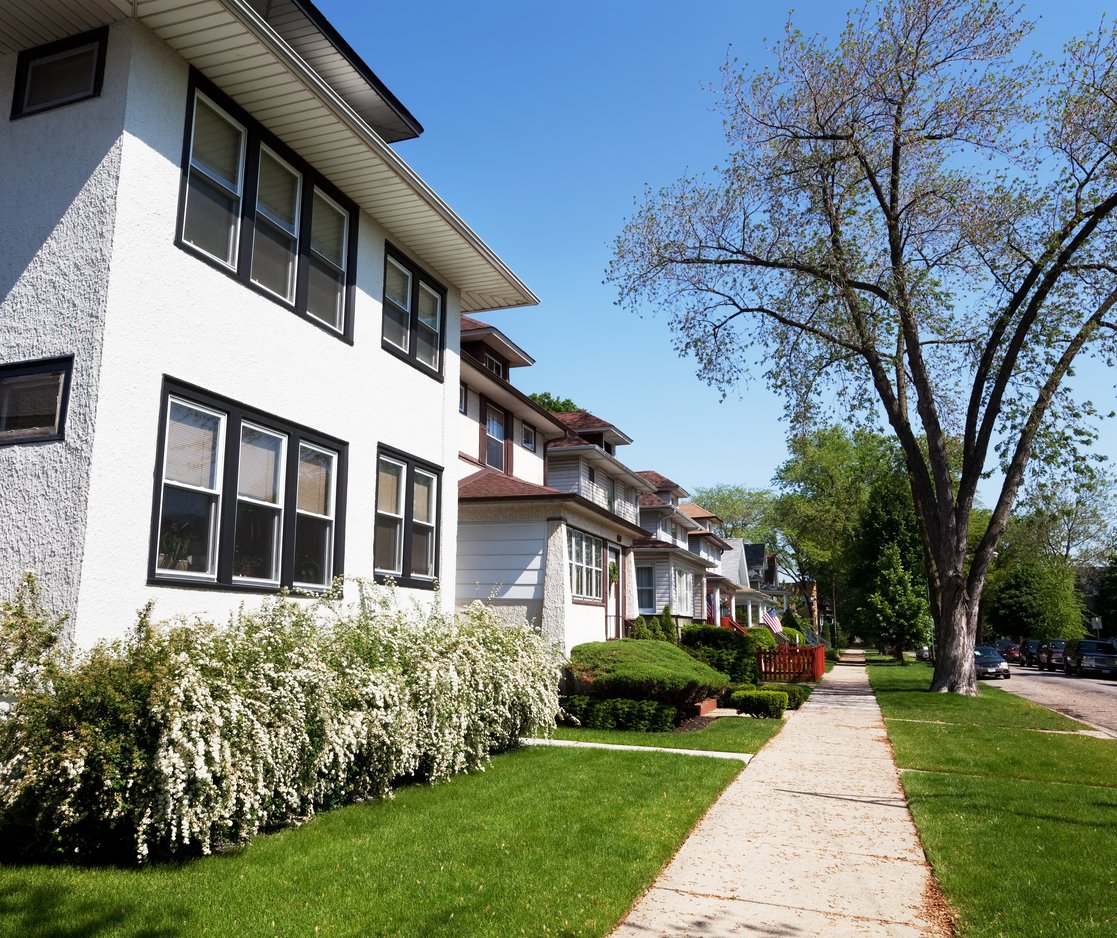
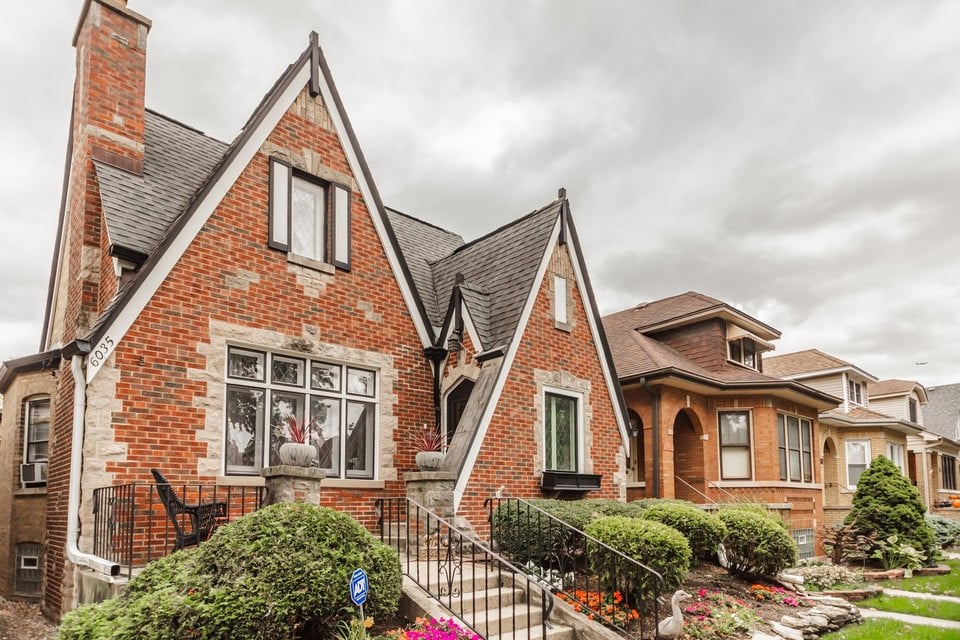
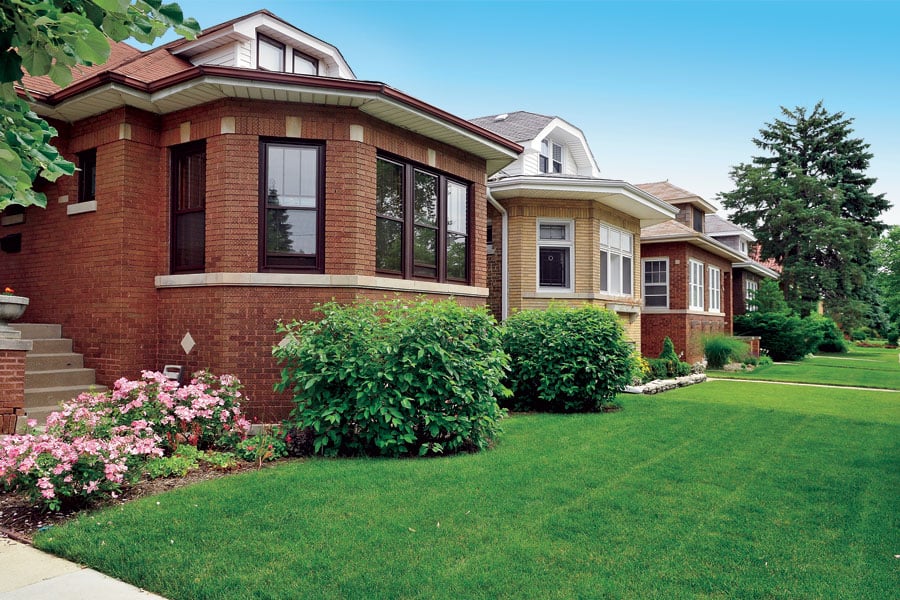
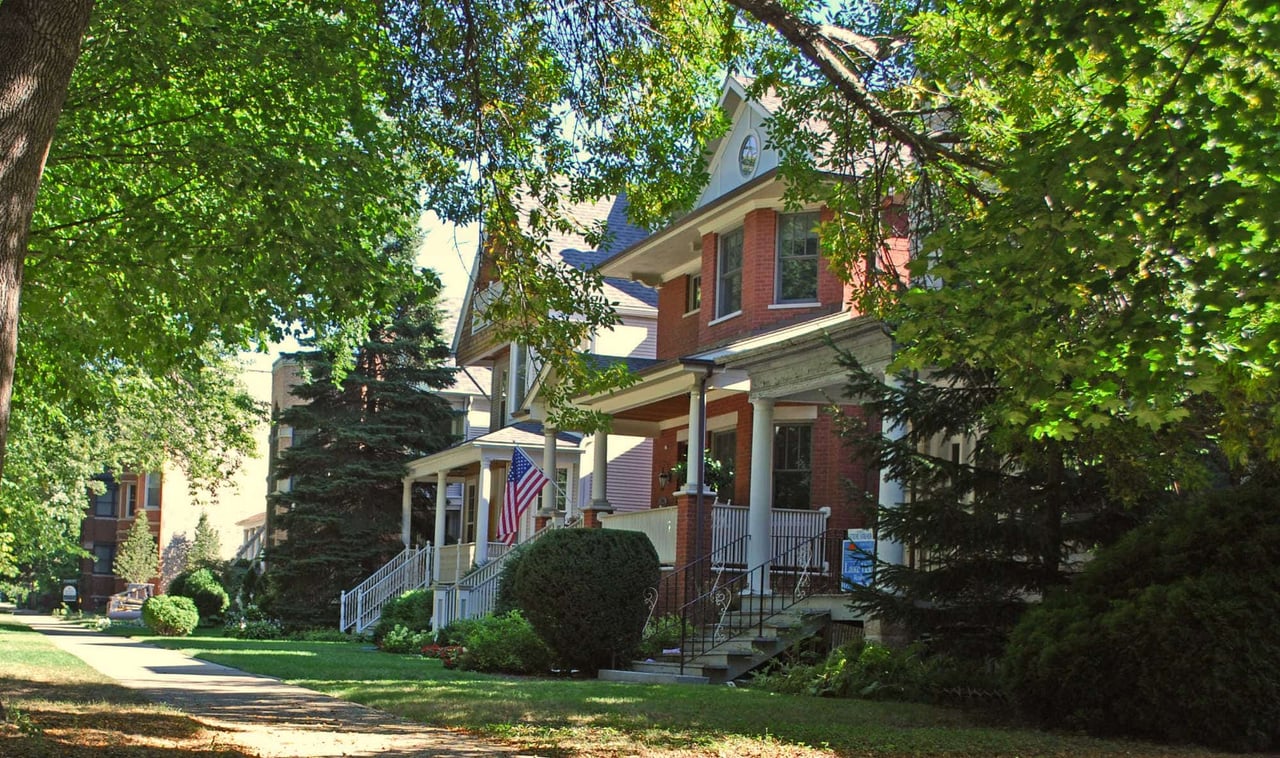
Housing spans the suburb's growth rings: mid-century ranches and splits, large colonials and new construction on generous lots, the newer single-family homes and townhomes of The Glen, and condo options near the commercial centers. Lot sizes and square footage run generous throughout.
Two Metra stations — downtown Glenview and North Glenview at The Glen — serve the Milwaukee District North line, with the bonus that Amtrak's Hiawatha to Milwaukee also stops at Glenview. Daily life runs on a car, with the Edens and I-294 close.
Glenview offers The Glen, genuine open-space anchors like Wagner Farm and The Grove, and a housing inventory that runs from mid-century to brand-new — with two train stations of its own.
Do you need a car in Glenview?
For daily life, yes — Glenview is a spread-out suburb. For commuting, two Metra stations serve the Milwaukee District North line, and Amtrak's Hiawatha stops at Glenview.
What types of homes are in Glenview?
Mid-century ranches and splits, large colonials, substantial new construction, the newer homes and townhomes of The Glen, and condos near the commercial centers.
What is The Glen?
The master-planned district built on the former Glenview Naval Air Station — Glen Town Center, Gallery Park, the Kohl Children's Museum, and surrounding newer housing, with its own Metra station at North Glenview.
What is Glenview known for?
The Glen, Wagner Farm's working living-history farm, The Grove National Historic Landmark, extensive parks and preserves, and its two Metra stations.
There's plenty to do around Glenview, including shopping, dining, nightlife, parks, and more. Data provided by Walk Score and Yelp.
Explore popular things to do in the area, including Noodles and Company, Glen Retail Center, and Ebay and Neki.
| Name | Category | Distance | Reviews |
Ratings by
Yelp
|
|---|---|---|---|---|
| Dining · $ | 0.62 miles | 75 reviews | 3.2/5 stars | |
| Shopping | 0.26 miles | 0 reviews | 0/5 stars | |
| Active | 0.38 miles | 0 reviews | 0/5 stars | |
| Active | 0.55 miles | 0 reviews | 0/5 stars | |
| Active | 0.73 miles | 9 reviews | 4.1/5 stars | |
| Active | 1.01 miles | 0 reviews | 0/5 stars | |
| Active | 1.34 miles | 0 reviews | 0/5 stars | |
| Active | 1.51 miles | 0 reviews | 0/5 stars | |
| Active | 1.63 miles | 0 reviews | 0/5 stars | |
| Beauty | 0.38 miles | 0 reviews | 0/5 stars | |
| Beauty | 1.37 miles | 4 reviews | 5/5 stars | |
| Beauty | 1.42 miles | 6 reviews | 2/5 stars | |
| Beauty | 1.69 miles | 2 reviews | 5/5 stars | |
|
|
||||
|
|
||||
|
|
||||
|
|
||||
|
|
||||
|
|
Glenview has 21,508 households, with an average household size of 5.1. Data provided by the U.S. Census Bureau. Here’s what the people living in Glenview do for work — and how long it takes them to get there. Data provided by the U.S. Census Bureau. 55,376 people call Glenview home. The population density is 3,808 and the largest age group is Data provided by the U.S. Census Bureau.
Total Population
Population Density Population Density This is the number of people per square mile in a neighborhood.
Median Age
Men vs Women
Population by Age Group
0-9 Years
10-17 Years
18-24 Years
25-64 Years
65-74 Years
75+ Years
Education Level
Total Households
Average Household Size
Average individual Income
Households with Children
With Children:
Without Children:
Blue vs White Collar Workers
Blue Collar:
White Collar:
1875 N DAMEN AVE CHICAGO IL 60647
1875 N DAMEN AVE CHICAGO IL 60647