Welcome to
Explore Homes and Living in Arlington Heights, IL
A major northwest suburb with a standout downtown, the Metropolis arts center, and express Metra service.
80,906 people live in Arlington Heights, where the median age is 42.1 and the average individual income is $59,177. Data provided by the U.S. Census Bureau.
Total Population
Median Age
Population Density
Average individual Income
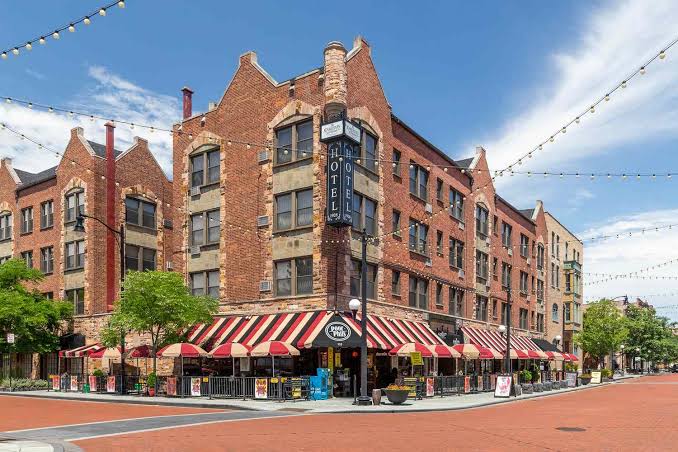
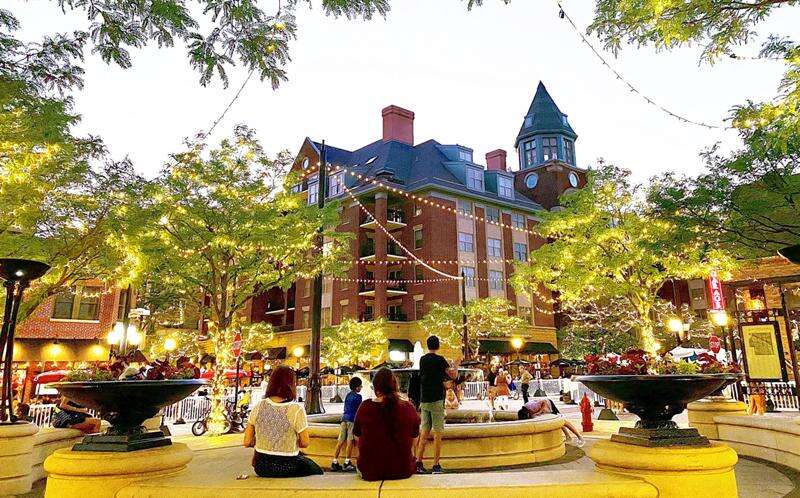
Arlington Heights built what many suburbs only talk about: a dense, genuinely urban downtown. The blocks around the Metra station carry restaurants, an active condo and apartment district, and the Metropolis Performing Arts Centre, whose year-round theater and music calendar gives the downtown an evening life most suburbs lack. On summer weekends, the restaurant patios spill into the street.
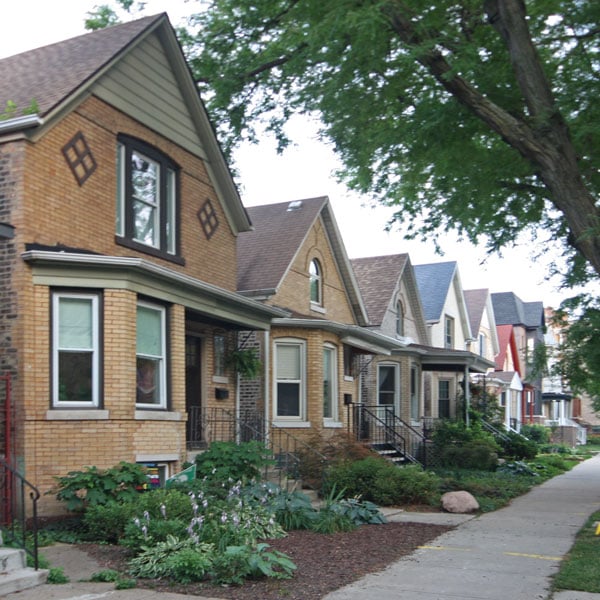
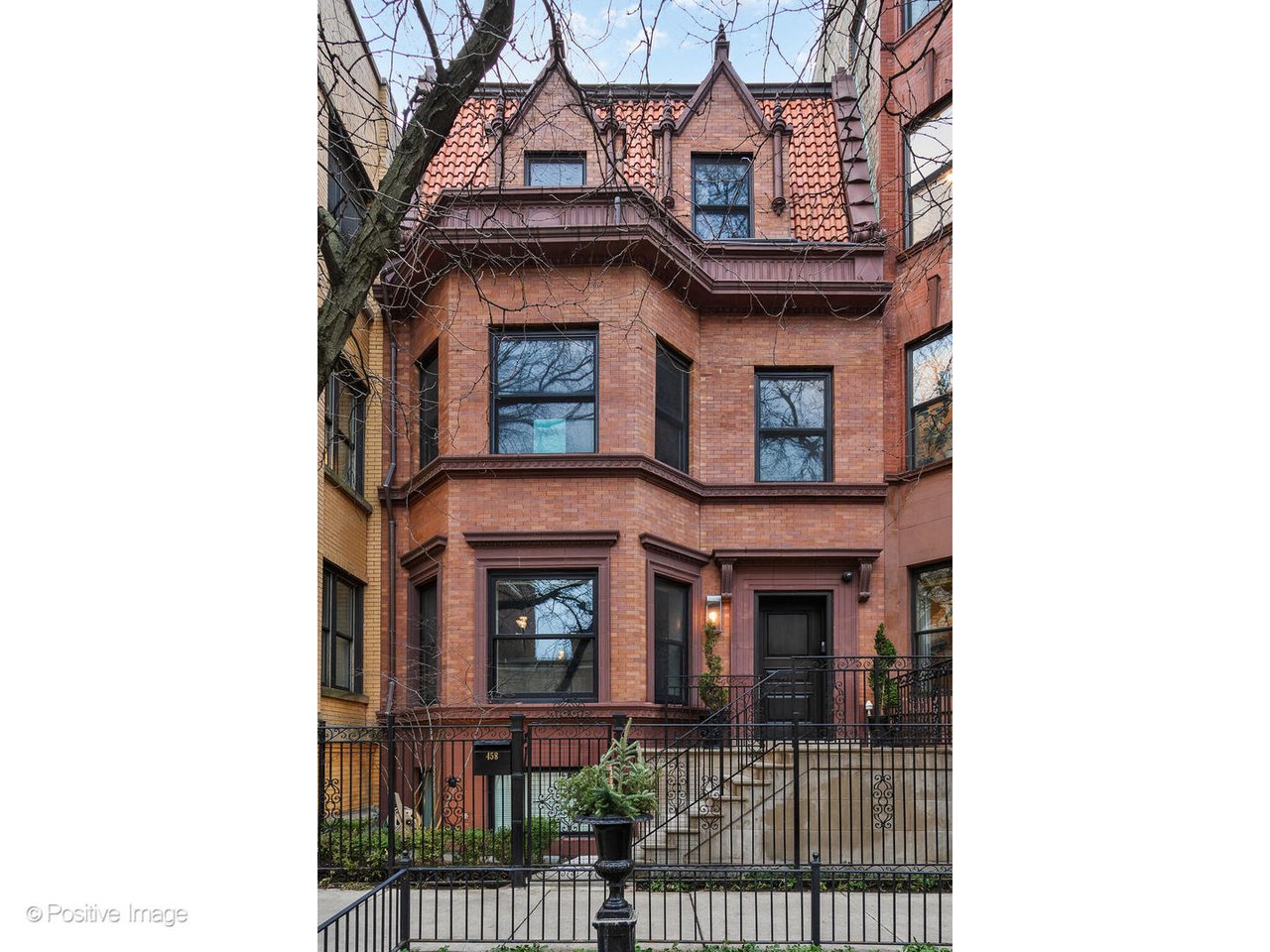
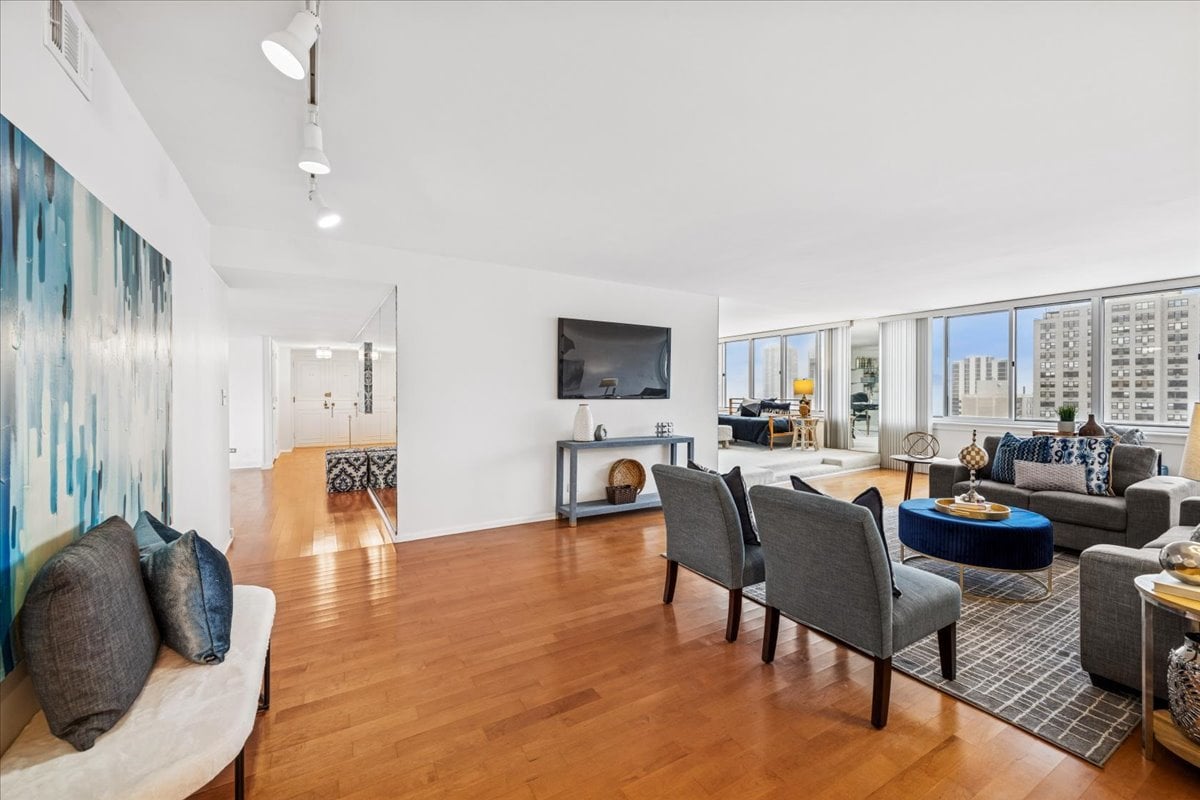
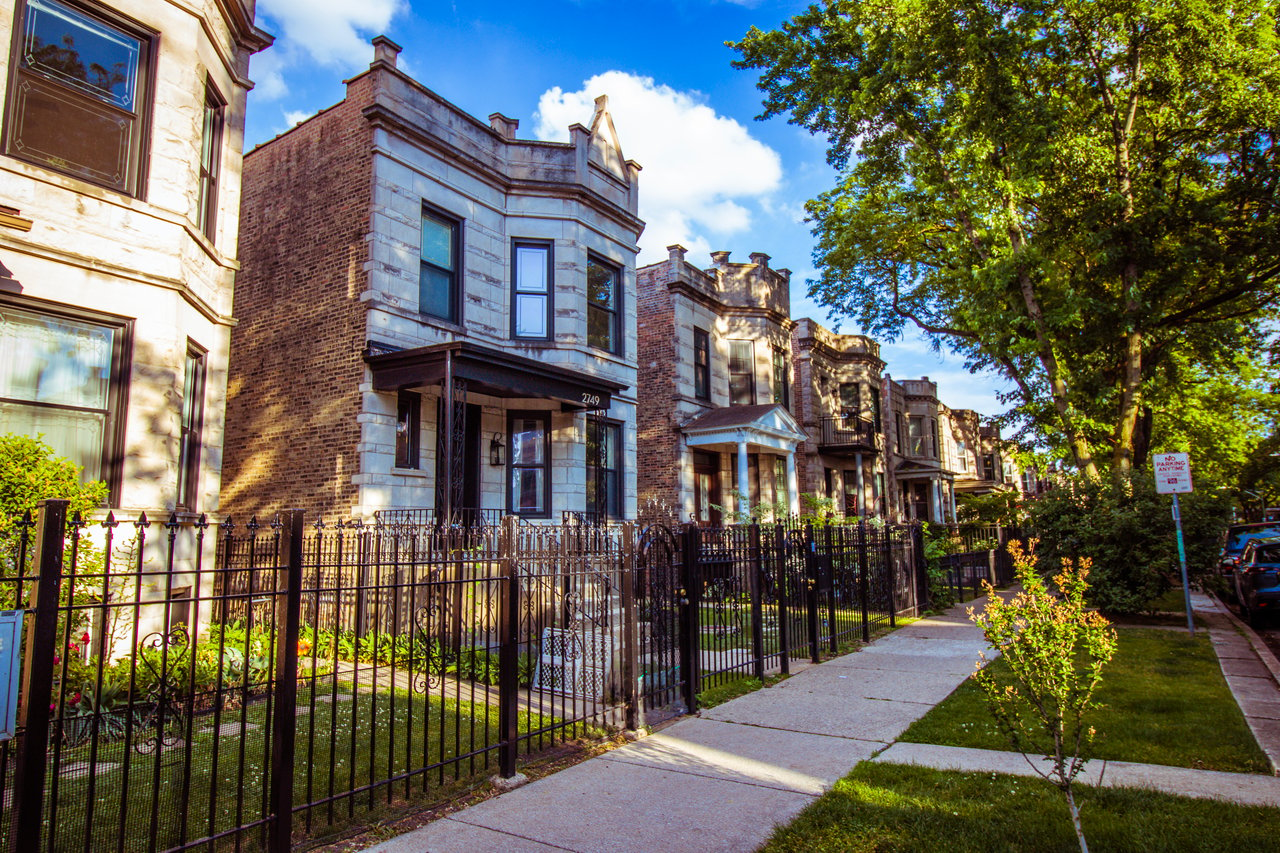
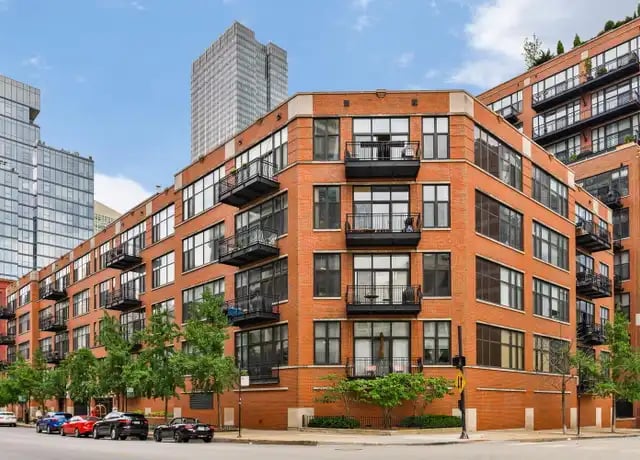
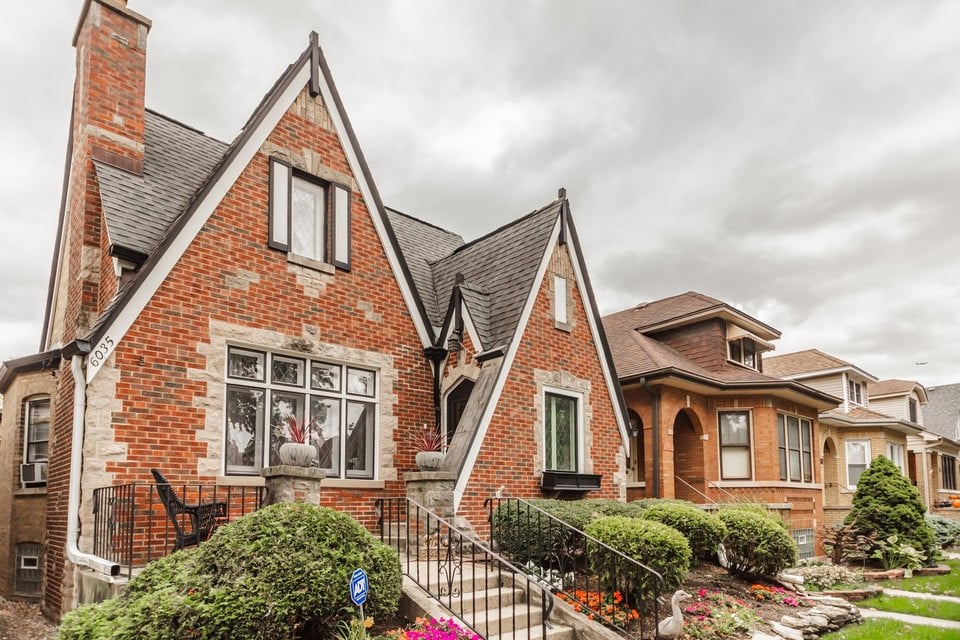
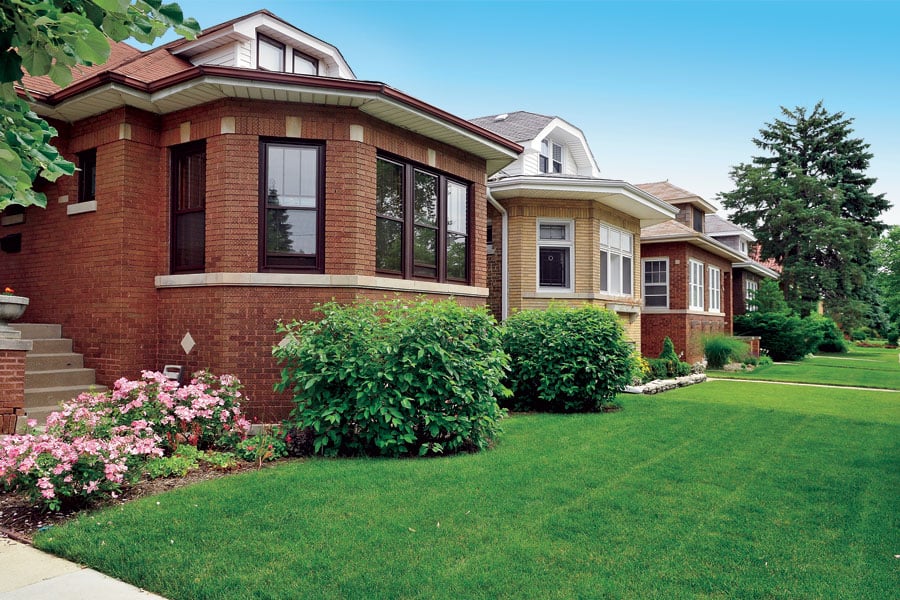
Housing covers the full suburban spectrum: postwar ranches and split-levels, large colonials, newer construction on generous lots, and — distinctively for the area — a deep stock of downtown condos and townhomes that lets residents trade yard work for walkability without leaving town. That downtown housing has made Arlington Heights a popular landing spot for both directions of movers: city dwellers heading out and longtime locals sizing down.
The town's name is attached to one of the region's biggest ongoing stories: the former Arlington Park racetrack site, purchased by the Chicago Bears, whose stadium and redevelopment plans for the property have drawn national attention. Whatever the outcome, the site's scale makes it one of the most significant development parcels in the region.
The Metra Union Pacific Northwest line stops at both Arlington Heights and Arlington Park, with express trains reaching Ogilvie in around 35–40 minutes. Daily life beyond downtown runs on a car, with Route 53 and I-90 close.
Arlington Heights offers a true downtown with its own housing market, deep single-family inventory, and express Metra service — the northwest suburbs at full scale.
Do you need a car in Arlington Heights?
For daily life beyond downtown, yes. For commuting, the UP-Northwest line runs express trains from two stations, reaching Ogilvie in about 35–40 minutes — and downtown residents can walk to the platform.
What types of homes are in Arlington Heights?
Ranches, split-levels, colonials, and new construction on suburban lots, plus an unusually deep downtown stock of condos and townhomes near the station.
What is Arlington Heights known for?
Its walkable downtown and the Metropolis Performing Arts Centre, the former Arlington Park racetrack site purchased by the Chicago Bears, and express Metra service to the Loop.
Park Ridge vs. Arlington Heights: what's the difference?
Both are UP-Northwest Metra suburbs. Park Ridge is smaller and sits directly on the city border; Arlington Heights is much larger, further out, with a bigger downtown and substantially more housing inventory, served by express trains.
There's plenty to do around Arlington Heights, including shopping, dining, nightlife, parks, and more. Data provided by Walk Score and Yelp.
Explore popular things to do in the area, including Anheuser Busch, ALDI, and Southpoint Shopping Center.
| Name | Category | Distance | Reviews |
Ratings by
Yelp
|
|---|---|---|---|---|
| Dining | 0.82 miles | 0 reviews | 0/5 stars | |
| Dining · $ | 0.92 miles | 16 reviews | 3.3/5 stars | |
| Shopping | 1.07 miles | 0 reviews | 0/5 stars | |
| Active | 0.11 miles | 0 reviews | 0/5 stars | |
| Active | 0.71 miles | 0 reviews | 0/5 stars | |
| Active | 0.74 miles | 0 reviews | 0/5 stars | |
| Beauty | 0.16 miles | 1 review | 5/5 stars | |
| Beauty | 0.52 miles | 0 reviews | 0/5 stars | |
| Beauty | 0.72 miles | 0 reviews | 0/5 stars | |
| Beauty | 0.72 miles | 6 reviews | 5/5 stars | |
| Beauty | 0.8 miles | 0 reviews | 0/5 stars | |
| Beauty | 0.83 miles | 7 reviews | 5/5 stars | |
| Beauty | 0.89 miles | 0 reviews | 0/5 stars | |
| Beauty | 0.9 miles | 0 reviews | 0/5 stars | |
| Beauty | 0.9 miles | 0 reviews | 0/5 stars | |
| Beauty | 0.9 miles | 1 review | 5/5 stars | |
| Beauty | 0.9 miles | 2 reviews | 5/5 stars | |
| Beauty | 0.9 miles | 4 reviews | 5/5 stars | |
| Beauty | 0.9 miles | 1 review | 5/5 stars | |
| Beauty | 0.93 miles | 0 reviews | 0/5 stars | |
| Beauty | 0.93 miles | 0 reviews | 0/5 stars | |
| Beauty | 0.97 miles | 9 reviews | 3.3/5 stars | |
| Beauty | 1.02 miles | 2 reviews | 3/5 stars | |
| Beauty | 1.06 miles | 0 reviews | 0/5 stars | |
|
|
||||
|
|
||||
|
|
||||
|
|
||||
|
|
||||
|
|
Arlington Heights has 32,826 households, with an average household size of 4.82. Data provided by the U.S. Census Bureau. Here’s what the people living in Arlington Heights do for work — and how long it takes them to get there. Data provided by the U.S. Census Bureau. 80,906 people call Arlington Heights home. The population density is 4,578 and the largest age group is Data provided by the U.S. Census Bureau.
Total Population
Population Density Population Density This is the number of people per square mile in a neighborhood.
Median Age
Men vs Women
Population by Age Group
0-9 Years
10-17 Years
18-24 Years
25-64 Years
65-74 Years
75+ Years
Education Level
Total Households
Average Household Size
Average individual Income
Households with Children
With Children:
Without Children:
Blue vs White Collar Workers
Blue Collar:
White Collar:
1875 N DAMEN AVE CHICAGO IL 60647
1875 N DAMEN AVE CHICAGO IL 60647