Welcome to
Riverside
America's first planned suburban community, designed by Frederick Law Olmsted, with landmark architecture and Metra access.
16,582 people live in Riverside, where the median age is 39.9 and the average individual income is $57,434. Data provided by the U.S. Census Bureau.
Total Population
Median Age
Population Density
Average individual Income
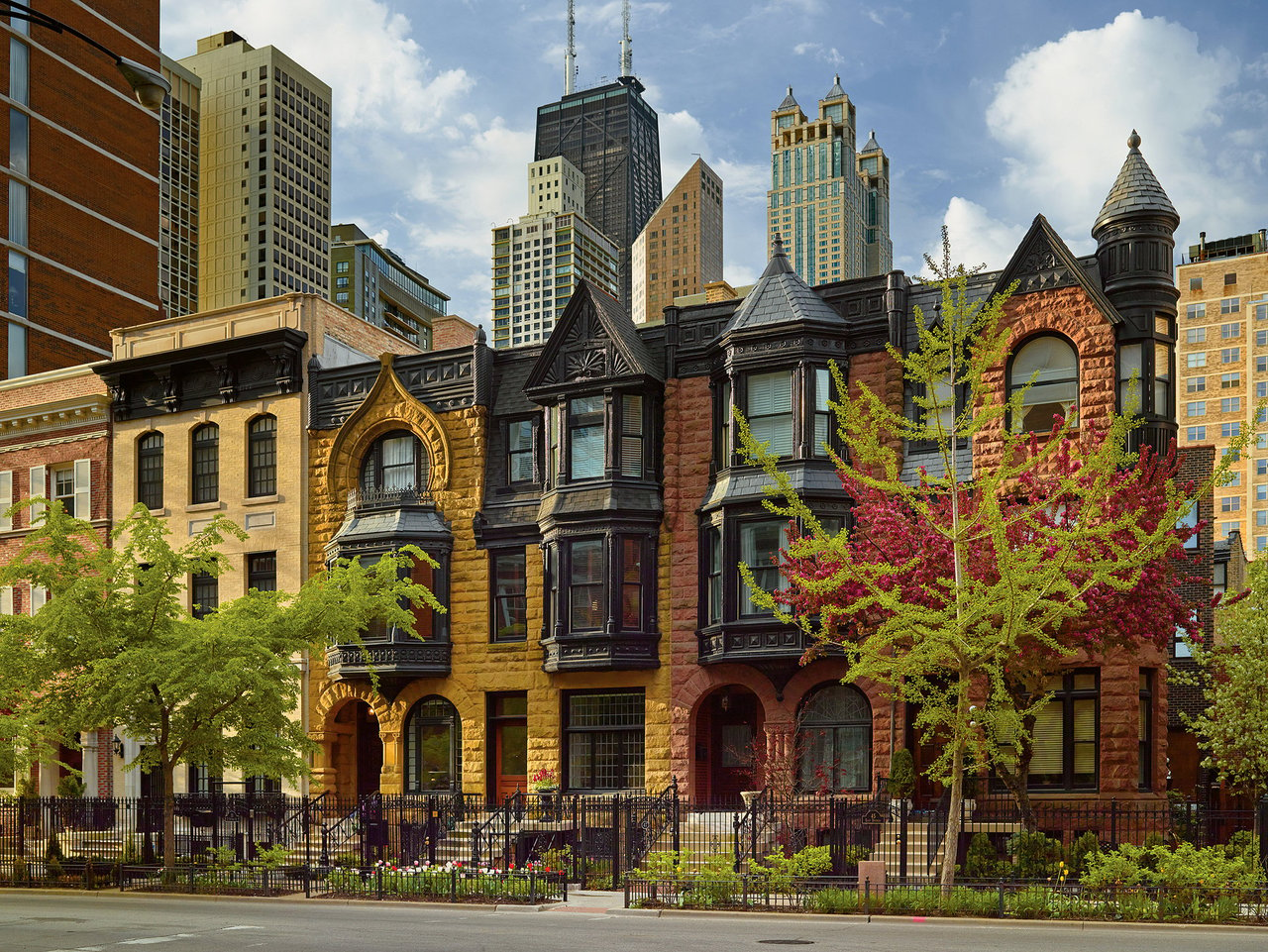
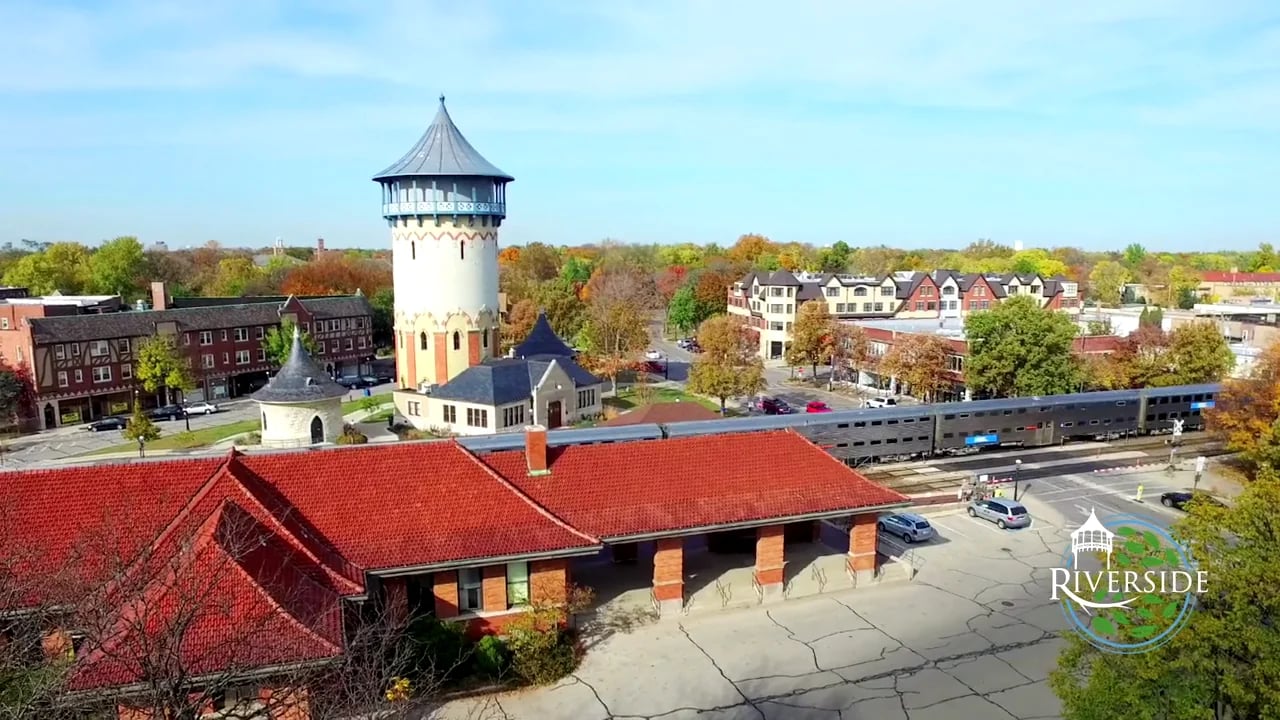
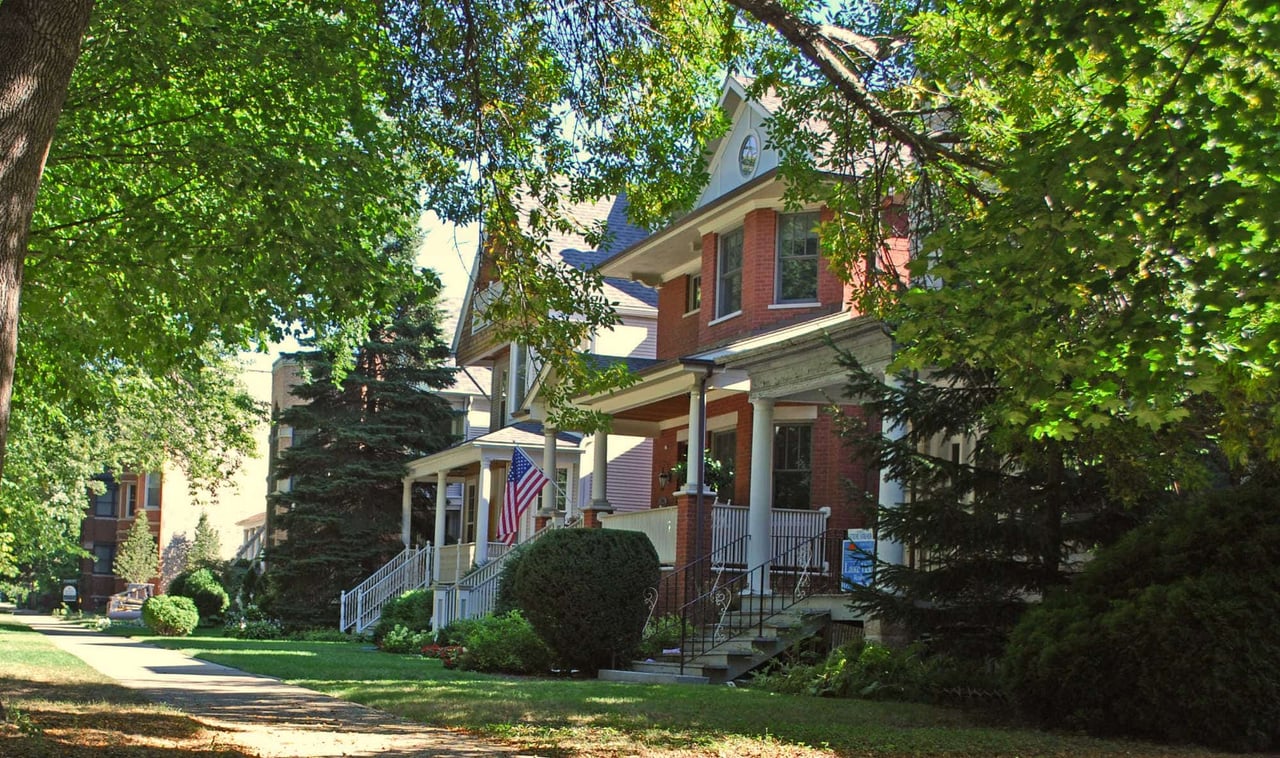
Riverside is a National Historic Landmark — the entire village. Designed in 1869 by Frederick Law Olmsted and Calvert Vaux, the creators of Central Park, it was America's first planned suburban community, and their plan survives intact: curving streets that follow the landscape instead of a grid, deep green parkways, gas-style streetlamps, and the Des Plaines River winding along its edge. Driving into Riverside feels like entering a different century, in the best way.
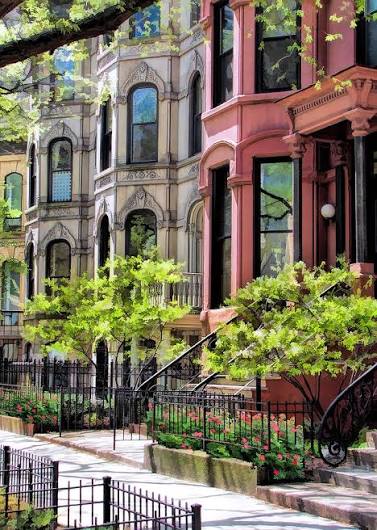
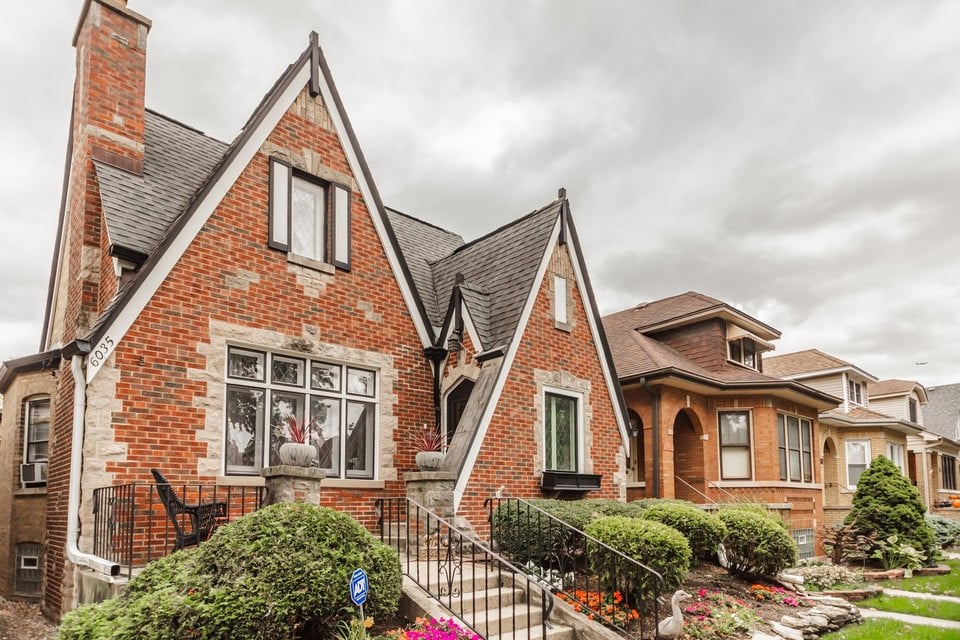
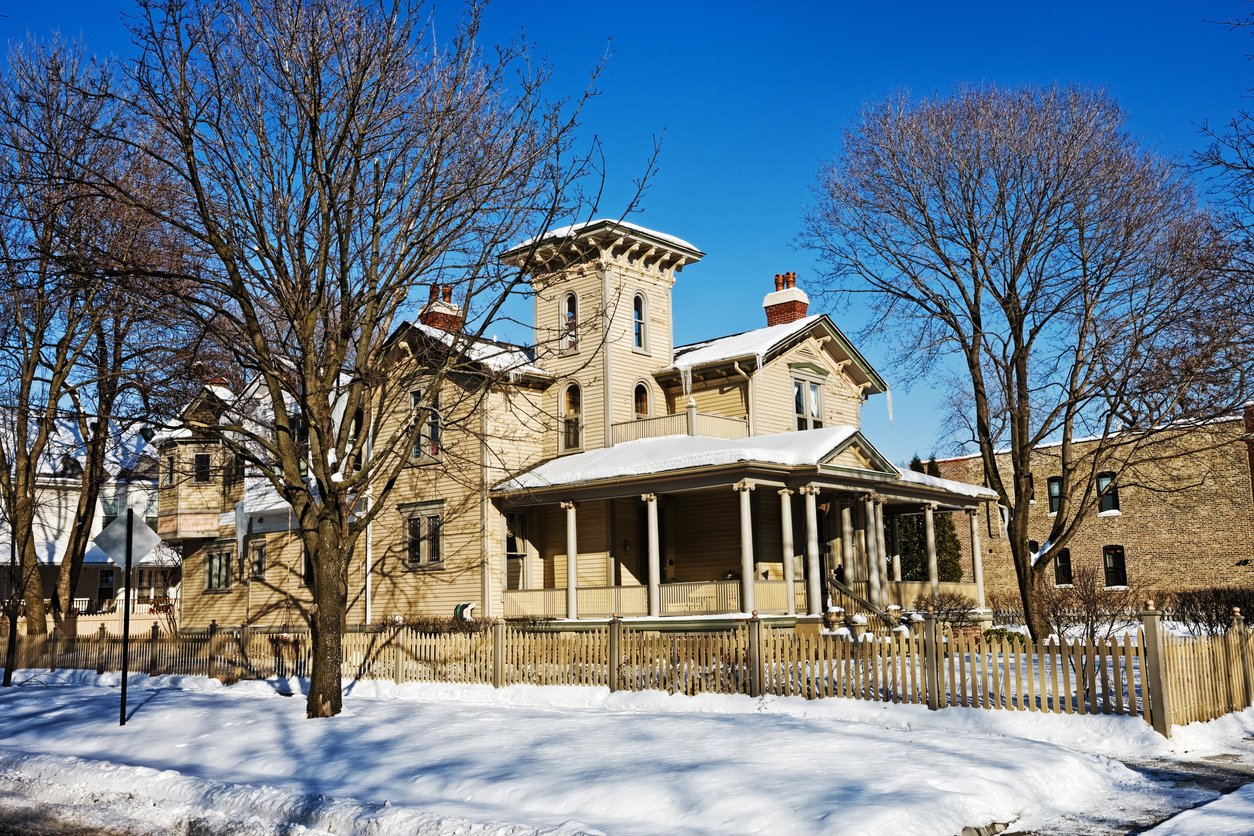
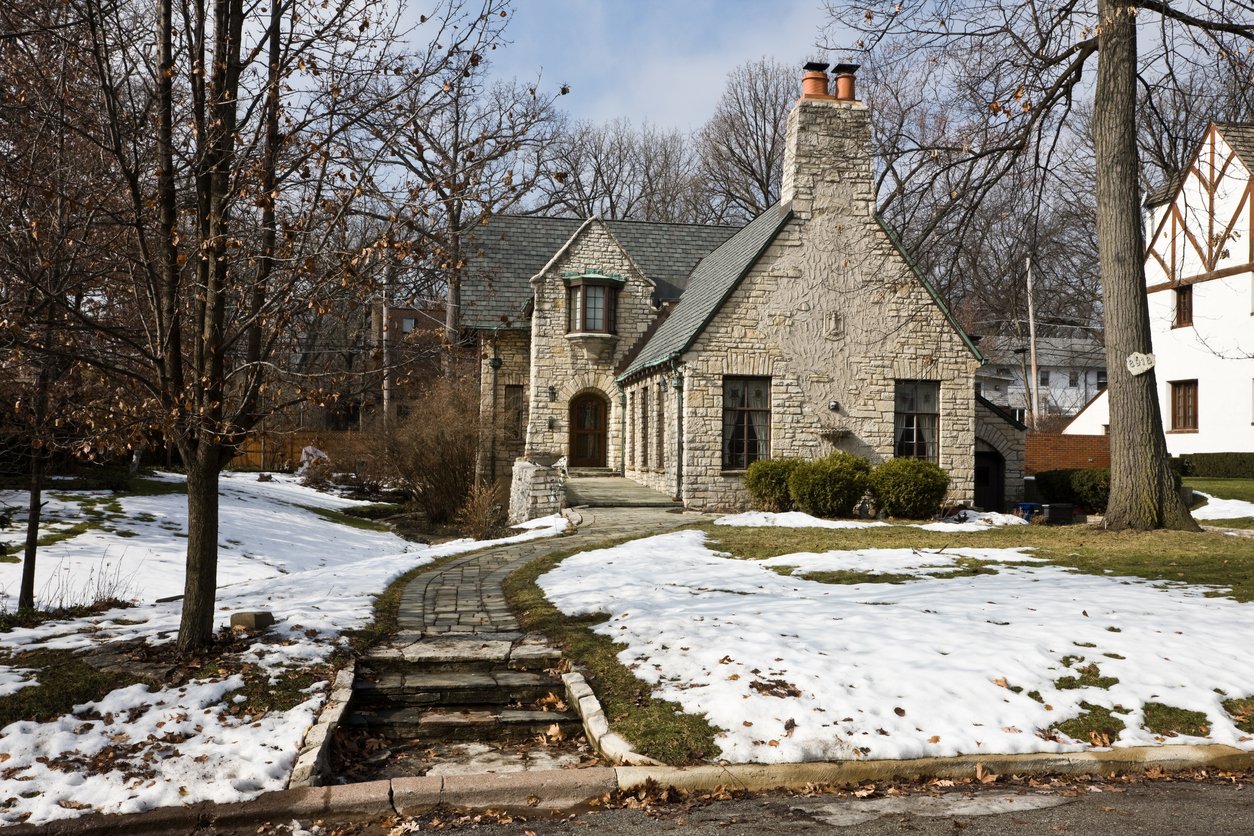
The architecture lives up to the plan. Frank Lloyd Wright's Avery Coonley House — one of his most celebrated Prairie works — is here, along with homes by other significant architects scattered among Victorians, four-squares, and mid-century houses. The landmark water tower marks the village center, where a compact downtown of shops and restaurants surrounds the Metra depot.
That depot is the practical heart of the village: the BNSF line reaches Union Station in roughly 25 minutes, making Riverside one of the easier landmark communities to commute from. Daily life otherwise runs on a car, as it does in most suburbs, though the village's small scale keeps everything close.
Green space is everywhere by design — Olmsted's parkways, Swan Pond Park along the river, and the Cook County forest preserves that border the village, with miles of trails along the Des Plaines.
Riverside offers something genuinely singular: a complete, preserved work of landscape design you can live inside, with landmark homes, a walkable village center, and a fast train downtown.
Do you need a car in Riverside?
For the commute, no — the Metra BNSF line reaches Union Station in about 25 minutes from the village center. For daily life, most households keep a car, though the compact downtown keeps errands close.
What is Riverside known for?
Being America's first planned suburban community — designed by Frederick Law Olmsted in 1869 and now a National Historic Landmark — plus Frank Lloyd Wright's Avery Coonley House and its preserved curving streets and parkways.
What types of homes are in Riverside?
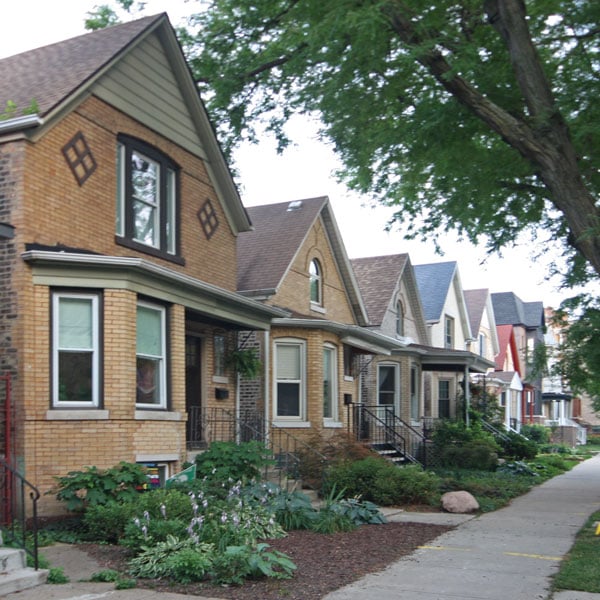
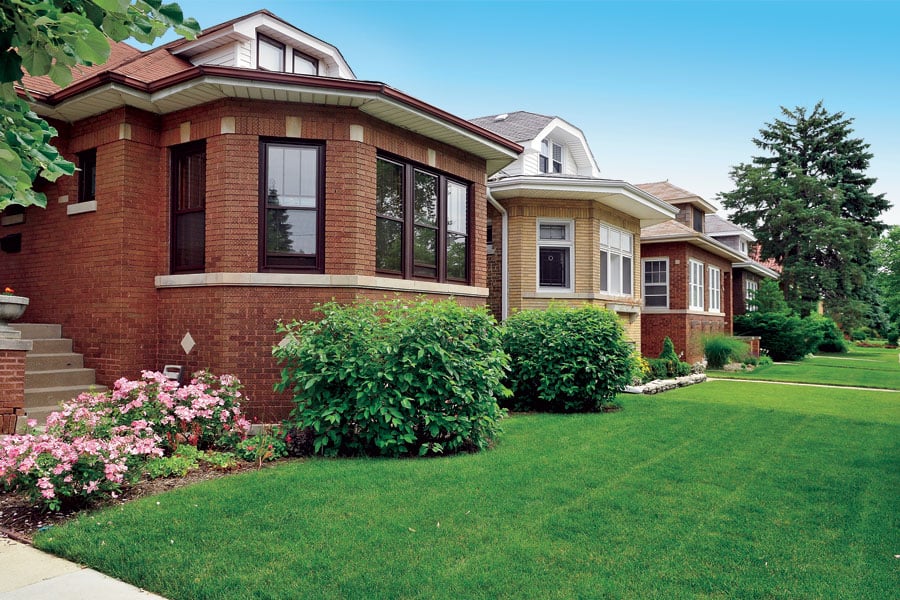
Victorians, Prairie School homes including significant architect-designed houses, four-squares, and mid-century homes, set on Olmsted's curvilinear street plan.
Riverside vs. La Grange: what's the difference?
Both are BNSF Metra towns southwest of the city. La Grange has the larger downtown and more housing inventory; Riverside is smaller and quieter, defined by its Olmsted plan and landmark status.
There's plenty to do around Riverside, including shopping, dining, nightlife, parks, and more. Data provided by Walk Score and Yelp.
Explore popular things to do in the area, including Cajun Cafe & Grill, Lids, and Dots.
| Name | Category | Distance | Reviews |
Ratings by
Yelp
|
|---|---|---|---|---|
| Dining | 0.83 miles | 0 reviews | 0/5 stars | |
| Shopping | 0.83 miles | 12 reviews | 2.3/5 stars | |
| Shopping | 0.94 miles | 0 reviews | 0/5 stars | |
| Shopping | 1.12 miles | 0 reviews | 0/5 stars | |
| Shopping | 1.16 miles | 0 reviews | 0/5 stars | |
| Active | 0.6 miles | 0 reviews | 0/5 stars | |
| Beauty | 0.78 miles | 5 reviews | 3.8/5 stars | |
| Beauty | 1.72 miles | 0 reviews | 0/5 stars | |
|
|
||||
|
|
||||
|
|
||||
|
|
||||
|
|
||||
|
|
Riverside has 6,479 households, with an average household size of 2.55. Data provided by the U.S. Census Bureau. Here’s what the people living in Riverside do for work — and how long it takes them to get there. Data provided by the U.S. Census Bureau. 16,582 people call Riverside home. The population density is 4,161 and the largest age group is Data provided by the U.S. Census Bureau.
Total Population
Population Density Population Density This is the number of people per square mile in a neighborhood.
Median Age
Men vs Women
Population by Age Group
0-9 Years
10-17 Years
18-24 Years
25-64 Years
65-74 Years
75+ Years
Education Level
Total Households
Average Household Size
Average individual Income
Households with Children
With Children:
Without Children:
Blue vs White Collar Workers
Blue Collar:
White Collar:
1875 N DAMEN AVE CHICAGO IL 60647
1875 N DAMEN AVE CHICAGO IL 60647