Welcome to
Lincoln Park
Lakefront parkland, the zoo and Conservatory, historic greystones, and some of Chicago's most sought-after blocks.
67,831 people live in Lincoln Park, where the median age is 33 and the average individual income is $113,478. Data provided by the U.S. Census Bureau.
Total Population
Median Age
Population Density
Average individual Income
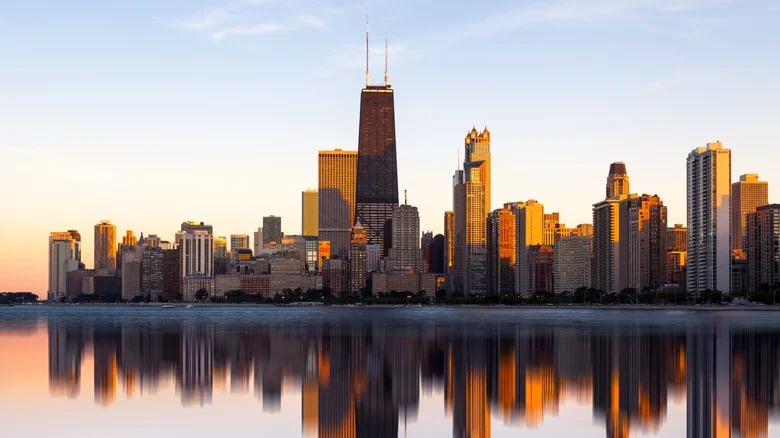
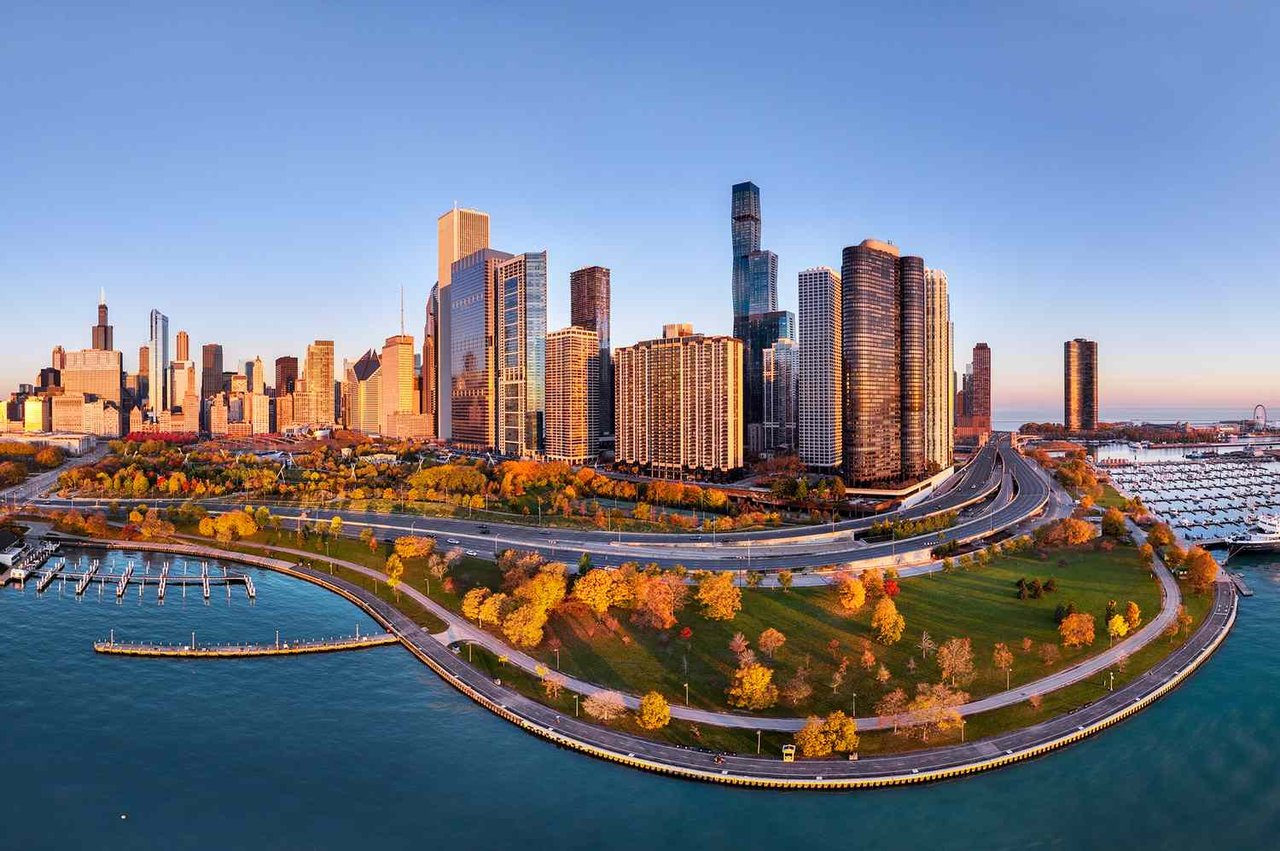
Lincoln Park sits about three to four miles north of the Loop, bounded by Lake Michigan to the east, the Chicago River to the west, Diversey Parkway to the north, and North Avenue to the south. That footprint matters more than it sounds. It means roughly 68,000 residents live within walking distance of 1,200 acres of lakefront parkland while still being 15 minutes from downtown by train.
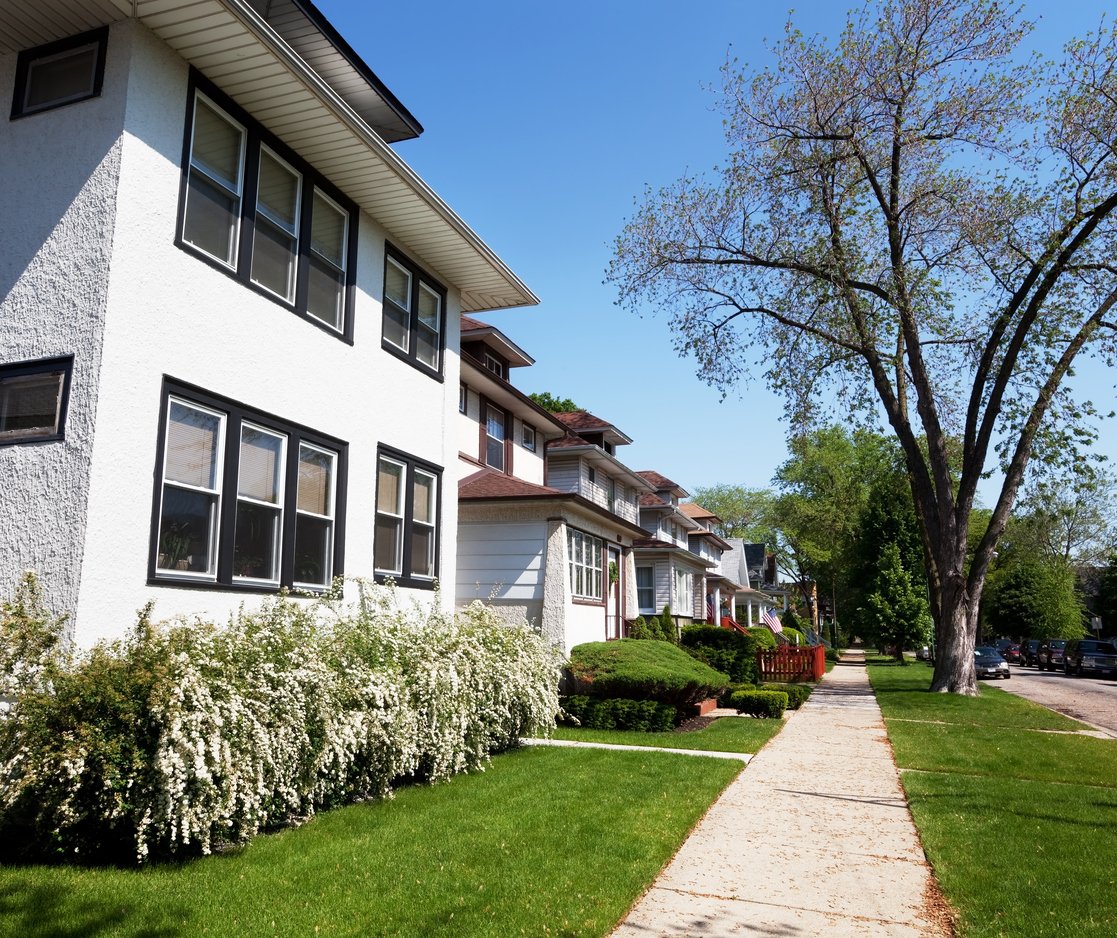
The neighborhood reads as three things at once: a historic residential district of limestone and brick, a commercial destination that pulls people in from across the city, and a college town anchored by DePaul. Median age hovers around 33, and the resident base skews heavily white-collar — young professionals early in their careers, families who bought in and stayed, and long-time owners sitting on decades of appreciation.
What you feel walking the side streets is quiet. Tree canopies, front stoops, dog walkers. What you feel two blocks over on Armitage or Halsted is a completely different energy. Lincoln Park's appeal is that both are the same commute.
Walk Score sits at 97 and Bike Score at 91 — among the highest in Chicago, and not a marketing number. Most residents here handle groceries, gym, dinner, and coffee without a car.
Lincoln Park is a seller's market with a structural supply problem. Inventory has hovered under 1.0 month for most price brackets below $1M, which is well below the four-to-six months that signals balance. When a well-priced two- or three-bedroom condo hits the market in Ranch Triangle or Sheffield, it frequently goes pending within 7 to 14 days.
Metric | Single-Family / High-End | Condos & Townhomes | Neighborhood Overall |
|---|---|---|---|
Median price range | $1.8M – $4.0M+ | $350K – $850K | $750K – $894K |
Price per sq. ft. | $550 – $750+ | $420 – $520 | ~$493 |
Median days on market | 20 – 45 days | 7 – 35 days | 35 – 38 days |
Sale-to-list ratio | 98% – 101% | 102% – 106% | 103.9% – 107% |
Read that table carefully, because the story is in the split. Condos are selling above list at a higher rate than luxury single-family homes. That's counterintuitive to buyers who assume the top of the market is the most competitive. It isn't. The $500K–$850K condo tier is where bidding is most aggressive, because that's where demand density is highest and supply is thinnest.
High-end single-family moves slower and negotiates closer to list — 20 to 45 days, 98% to 101% of ask. A $2.5M greystone is a narrower buyer pool with more room to trade.
What this means practically. Between 55% and 75% of Lincoln Park properties close at or above list price. If you're buying turn-key under $900K, budget for an escalation strategy and have financing fully underwritten before you tour. If you're selling, condition is doing enormous work here — updated, move-in-ready units are the ones generating multiple offers, while dated inventory sits and eventually reprices.
Price growth in Lincoln Park has outpaced the broader Chicago market, driven by demand on both ends: vintage stock buyers who want character, and luxury buyers who want new construction with an address.
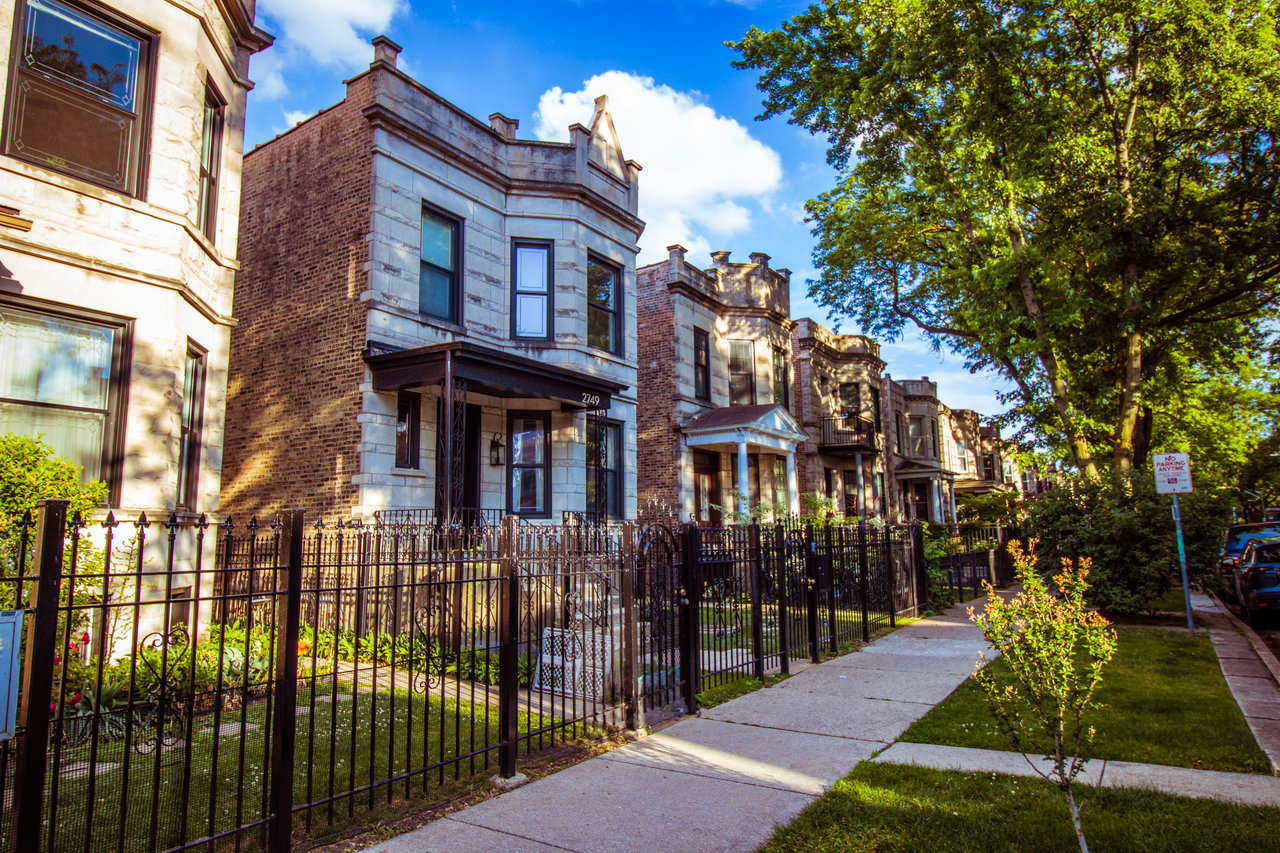
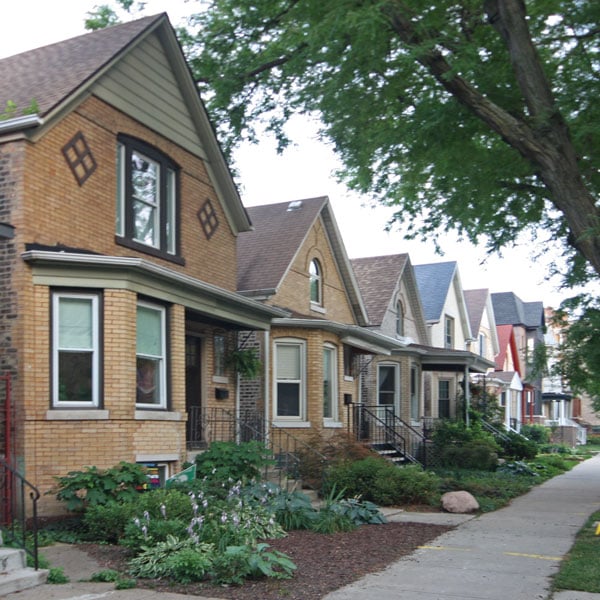
Lincoln Park's streetscape is a readable timeline of the city after the 1871 fire. Four housing types dominate, and each carries a different ownership experience.
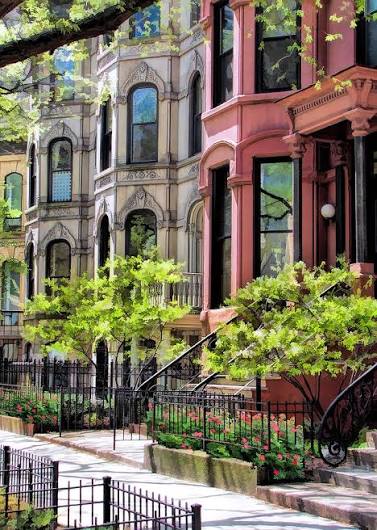
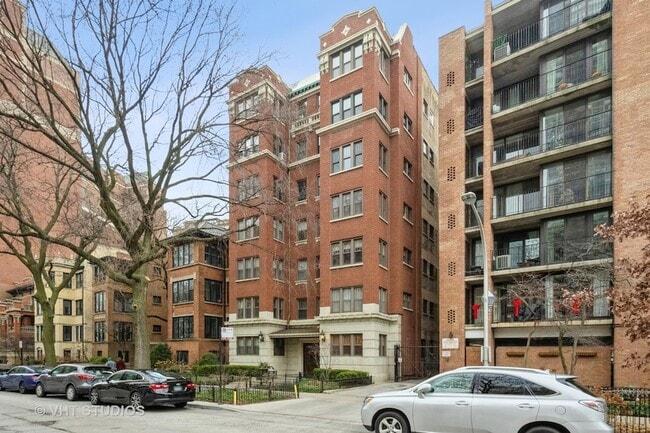
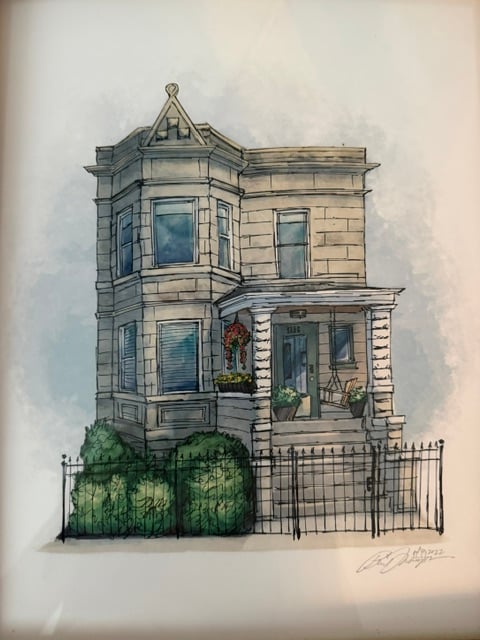
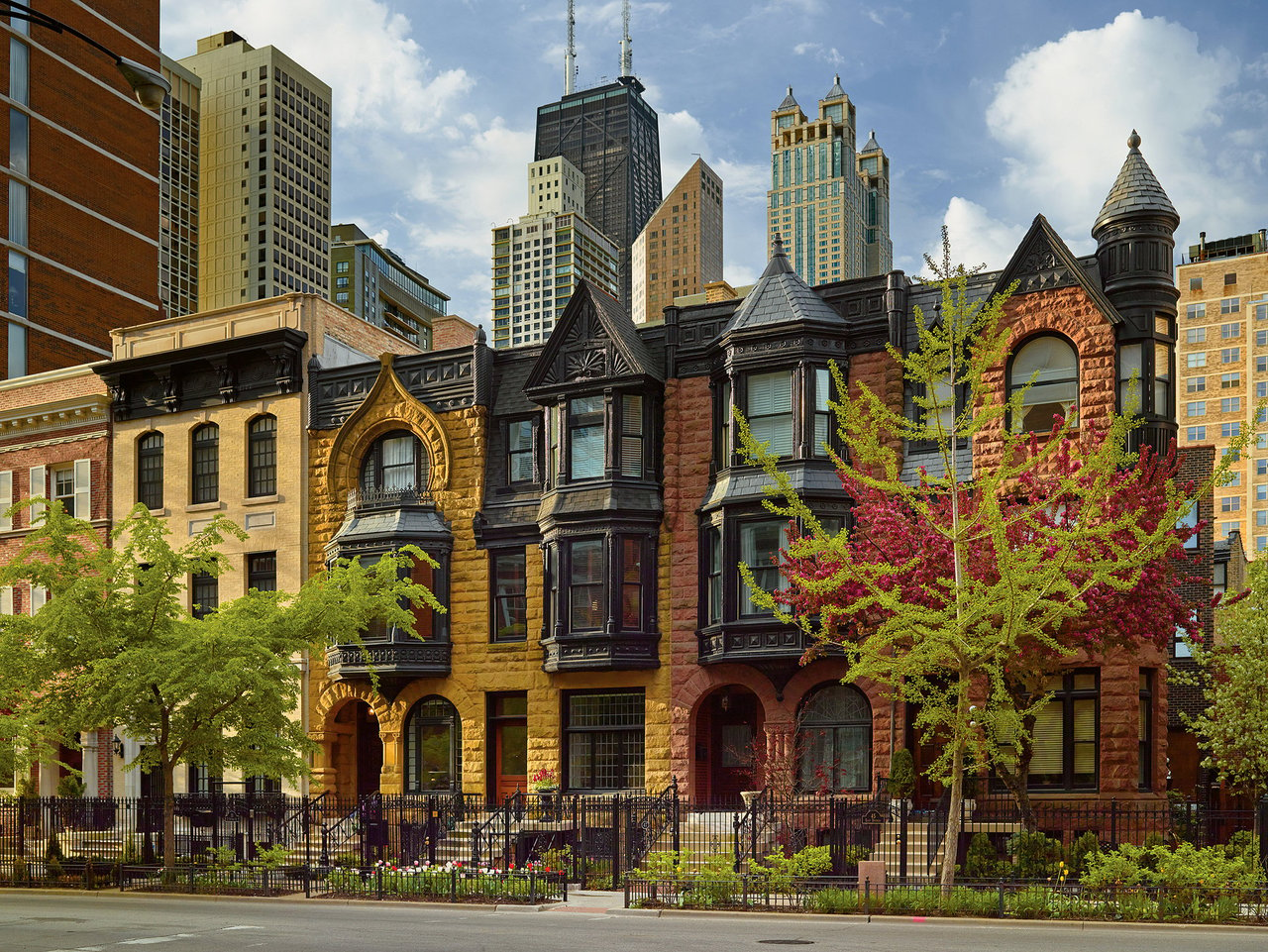
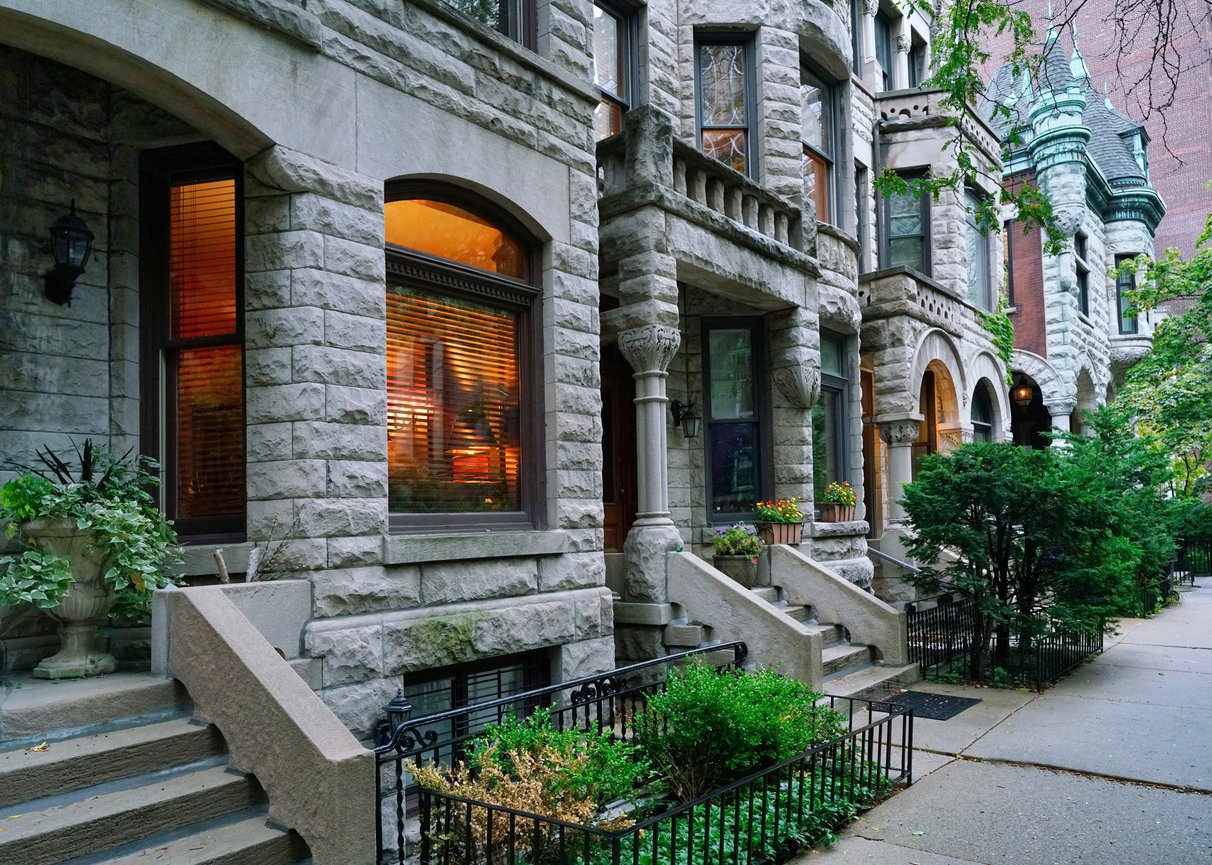
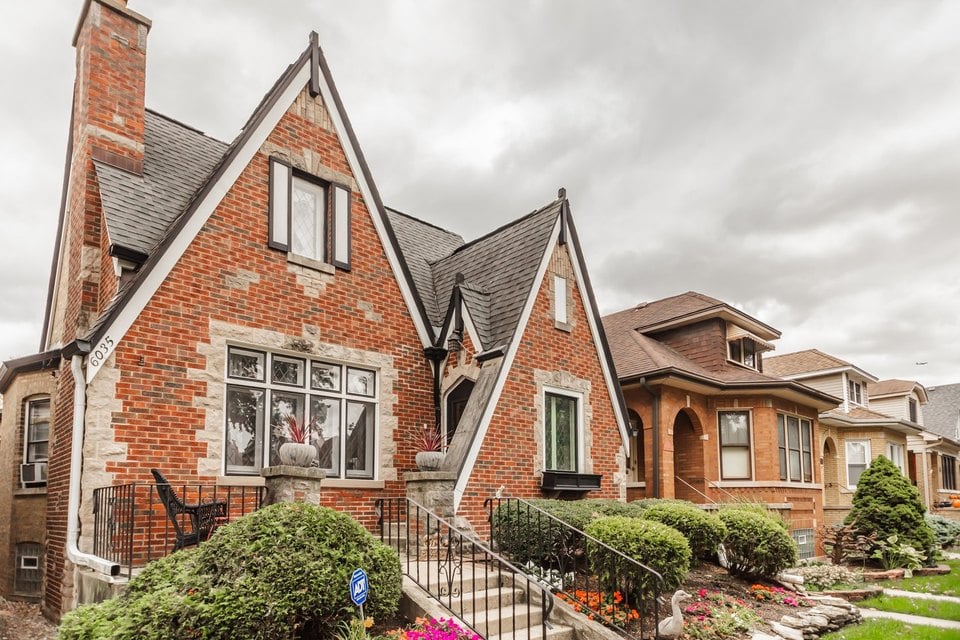
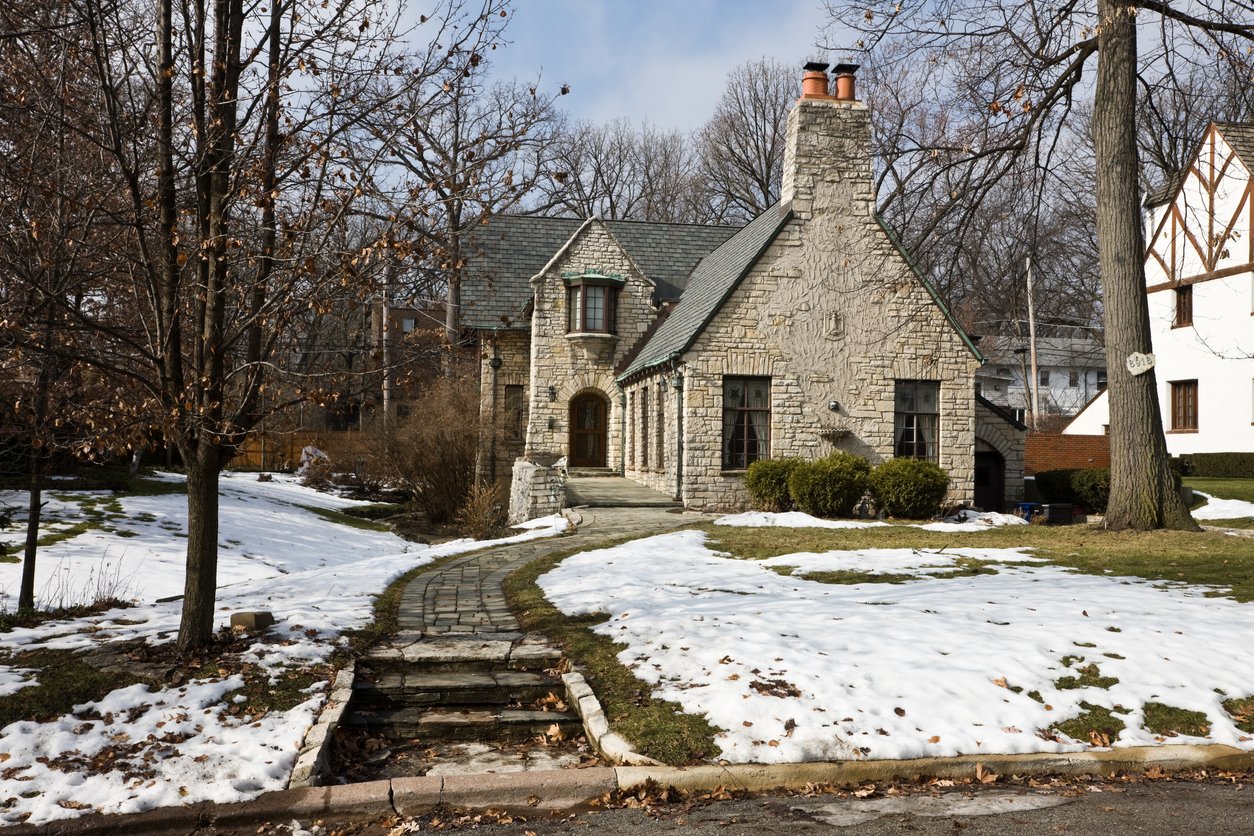
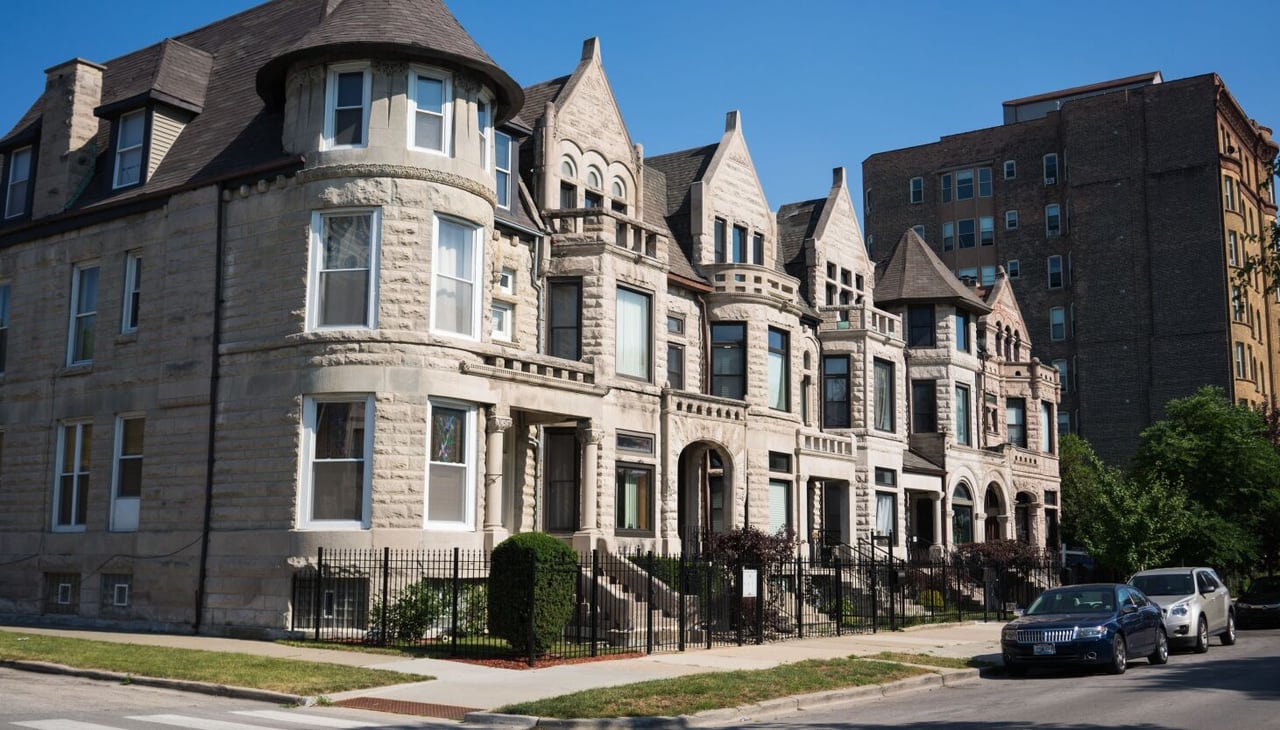
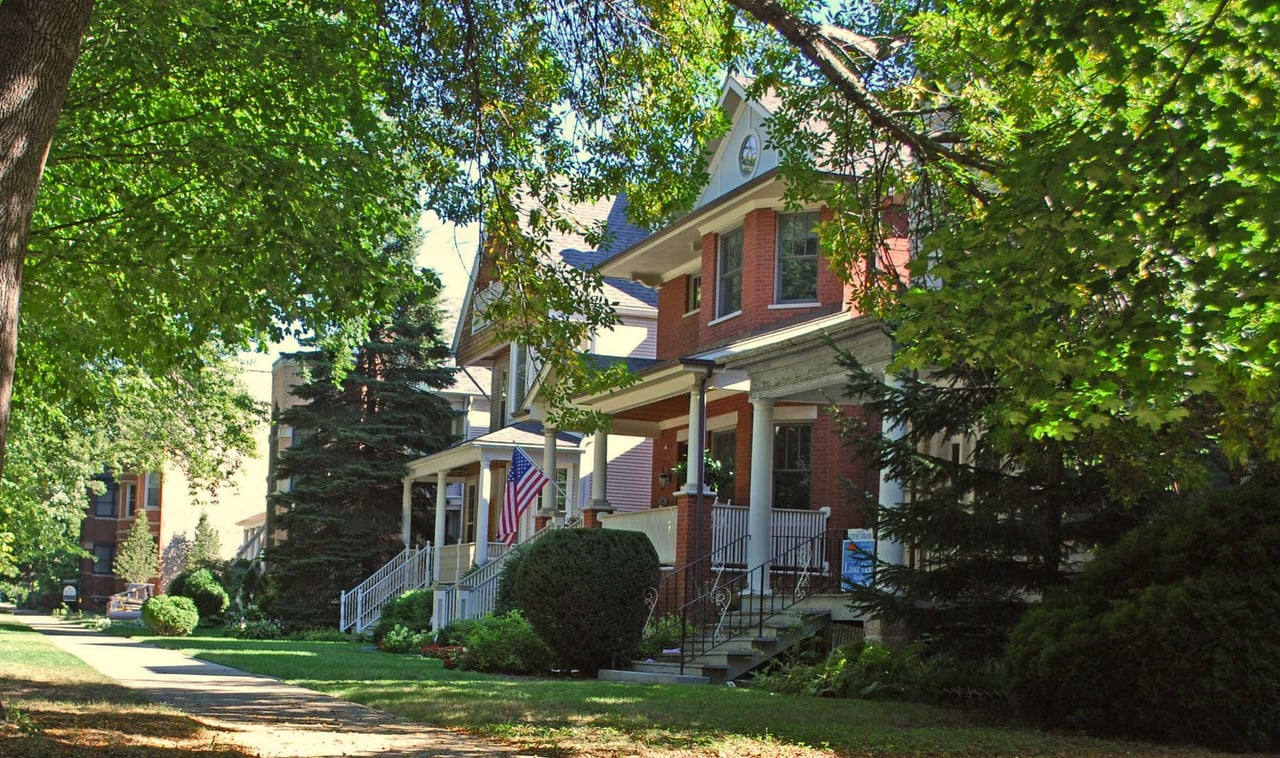
Chicago greystones, built mostly between 1890 and 1915, are the neighborhood's signature — Indiana limestone facades, grand front stoops, bay windows, tall ceilings. Many remain intact as 2-flats and 3-flats, which makes them attractive to house-hackers and investors. Others have been gut-converted into wide single-family homes. The limestone is beautiful and it's also a maintenance line item; tuckpointing and facade work are real costs on these buildings.
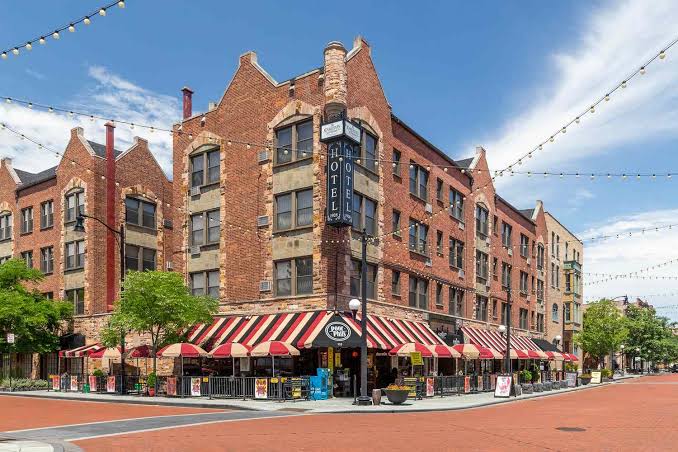
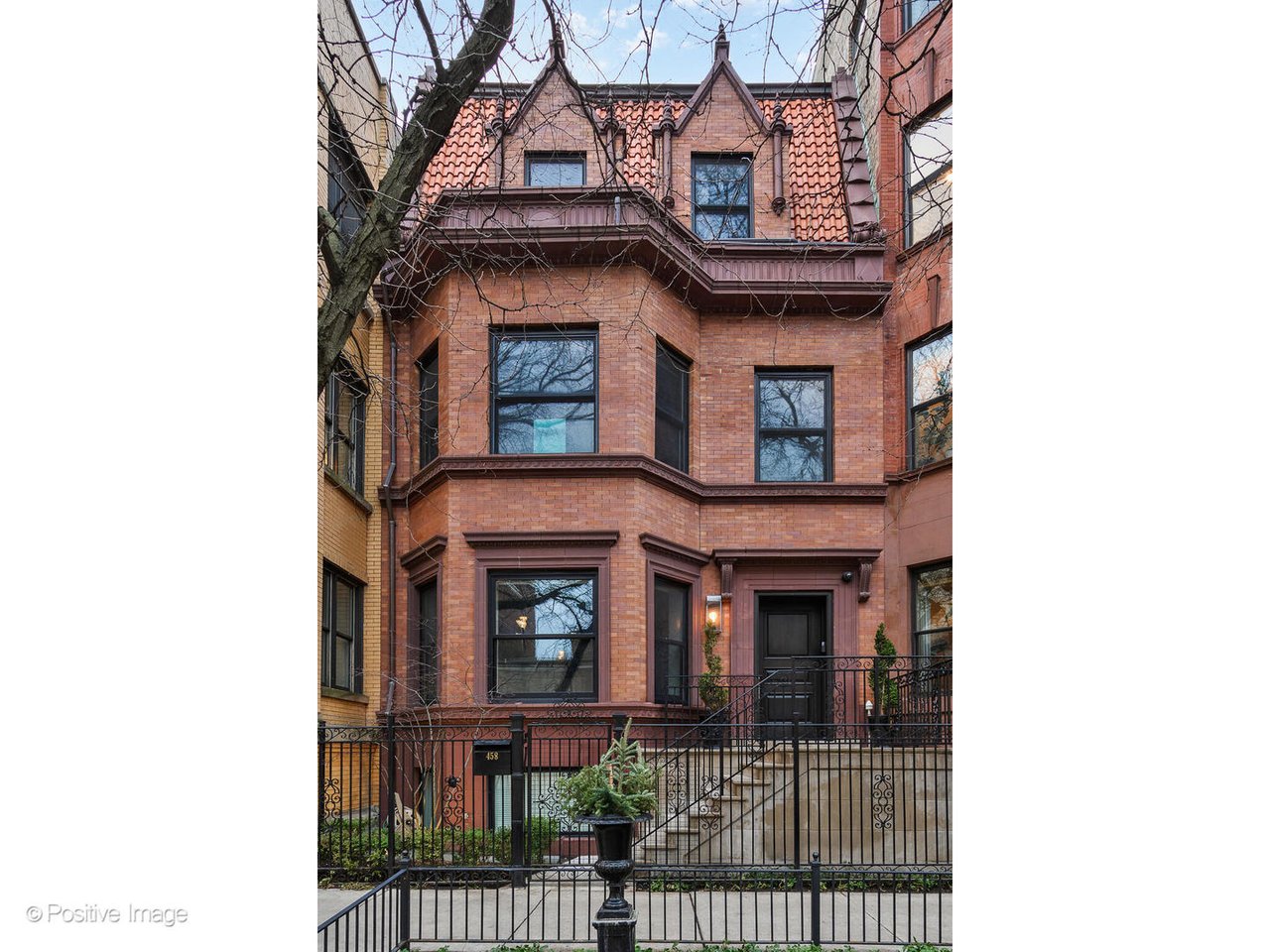
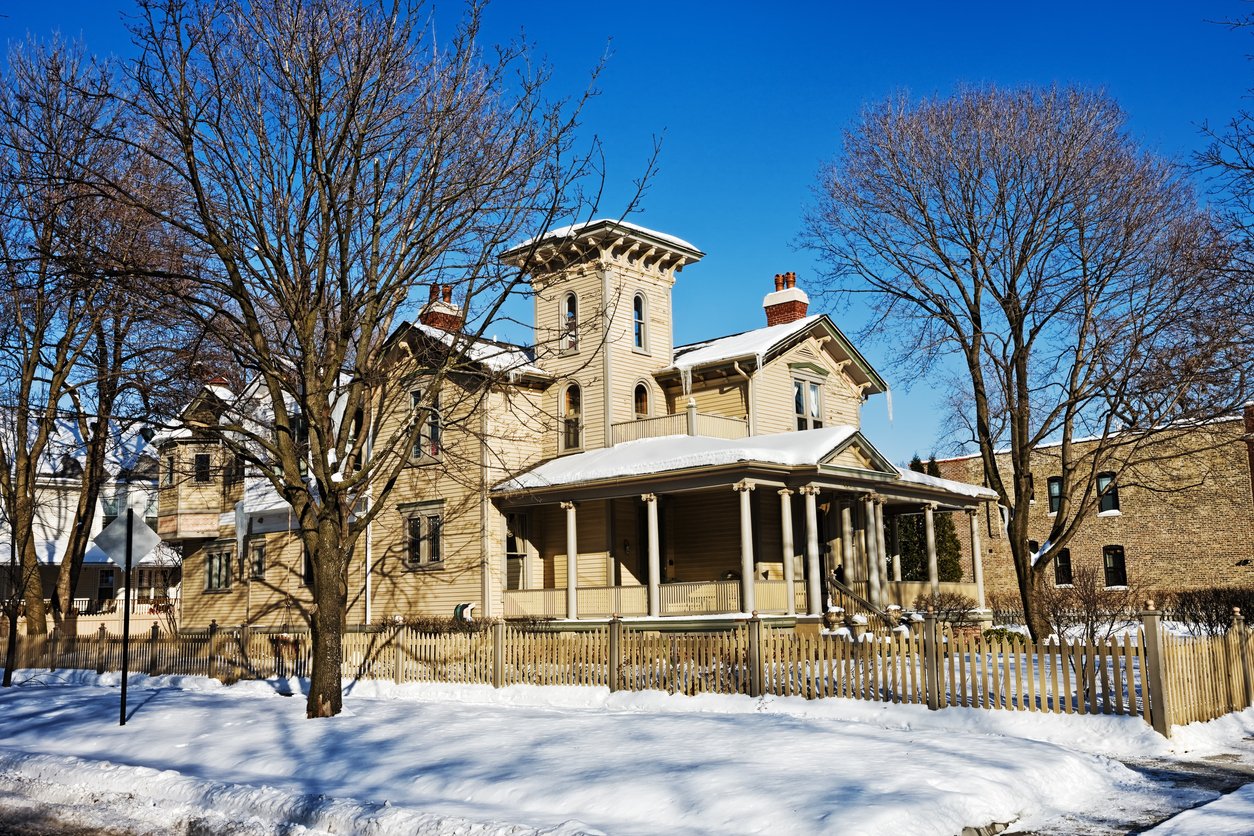
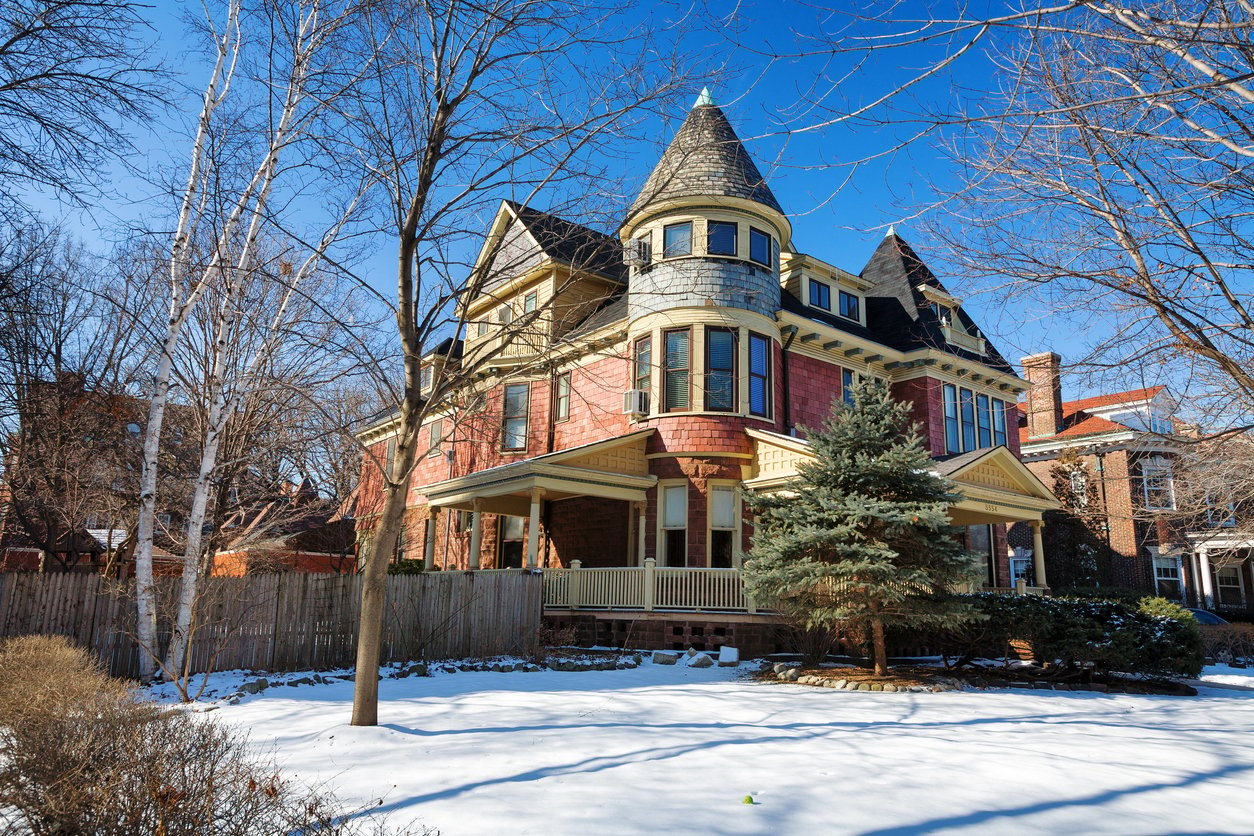
Victorian and Italianate rowhouses date to the 1870s post-fire era. Narrow masonry, ornate brickwork, decorative cornices, incised window hoods, vertical floor plans. Charming, and worth understanding before you buy: vertical means stairs, and a lot of them. Buyers planning to age in place should factor that in.
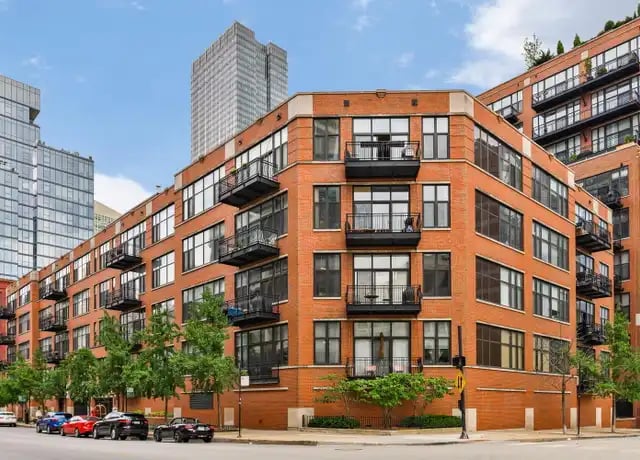
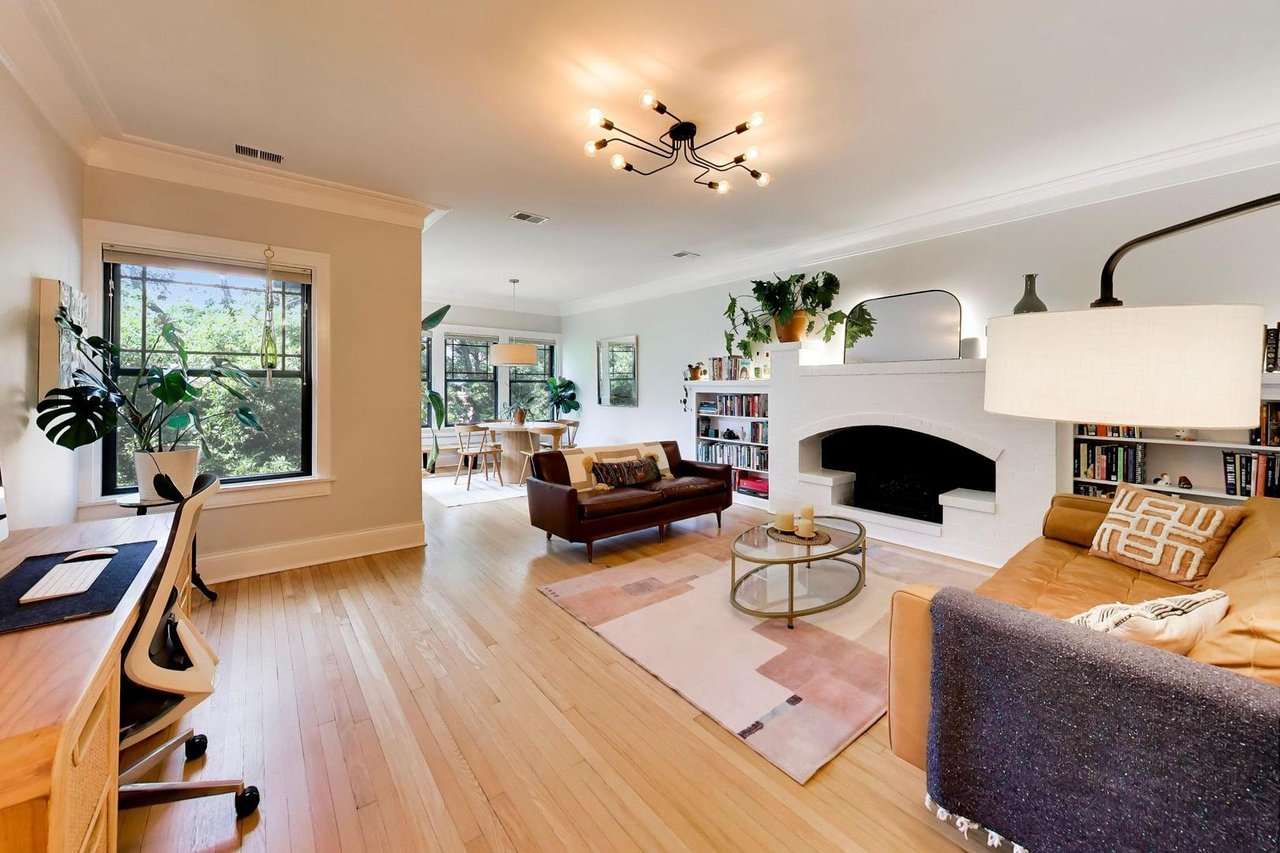
Vintage walk-ups and co-ops range from 1920s courtyard buildings to mid-rise 3-flats. Crown molding, formal dining rooms, hardwood, fire escapes. Most have been converted to multi-bedroom condos, and this is where the best value per square foot in the neighborhood tends to live. Watch the assessments and reserve studies — older buildings with deferred capital projects can surprise you.
New construction single-family and custom infill occupies the top of the market. Built on single or double lots, these are multi-level homes with open floor plans, floor-to-ceiling glass, smart-home systems, rooftop decks over detached garages, and internal elevators. They compete directly with suburban new builds and usually win on location rather than square footage.
The practical takeaway: in Lincoln Park you are almost always choosing between character and systems. Vintage stock gives you detail you cannot replicate; new construction gives you mechanicals, insulation, and parking you don't have to think about.
Lincoln Park is not one market. It's six micro-markets with meaningfully different price points, buyer profiles, and daily rhythms. Knowing which pocket fits you is the single biggest shortcut in a Lincoln Park search.
Housing | What it's like | |
|---|---|---|
Post-fire cottages, 19th-century timber rowhouses, worker cottages | Landmark historic district. Angled streets, some cobblestone, artisan history. Close to the lakefront and Second City. | |
Ranch Triangle | Vintage brick rowhouses, greystones, new-construction condos | Tree-lined and anchored by the Armitage retail strip and destination dining. Most competitive condo bidding in the neighborhood. |
Sheffield Neighbors | Vintage 2-flats, mid-rise condos, traditional single-family | Energetic and DePaul-adjacent. Strong nightlife, active parks, more rental turnover. |
Wrightwood Neighbors | Greystones, converted walk-ups, luxury infill | Quiet interior pocket, heavy tree canopy, centered on Oz Park. The family-buyer default. |
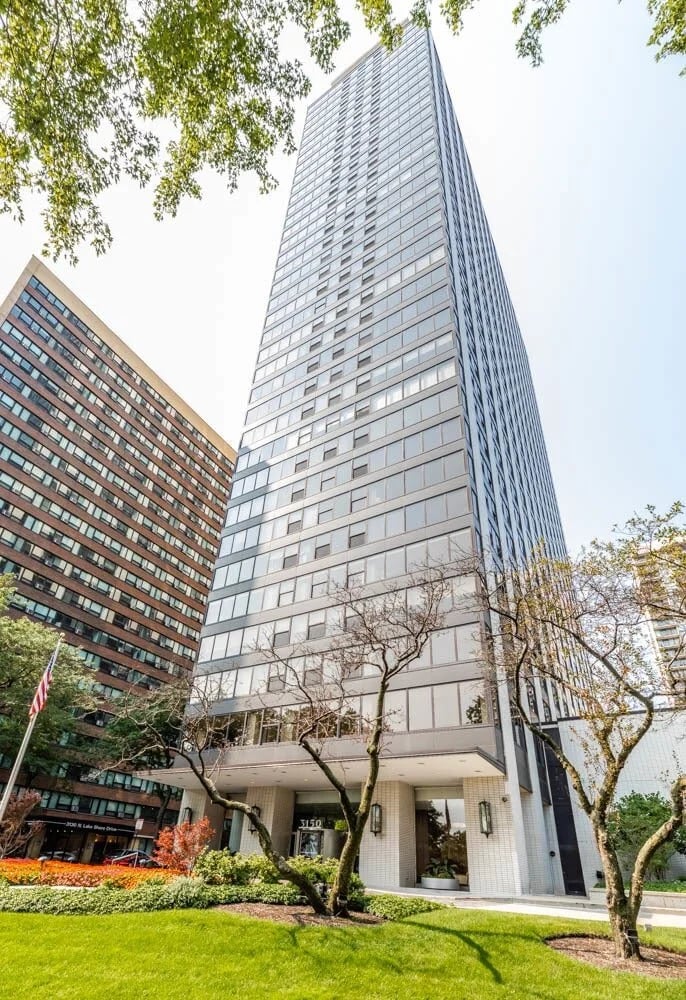
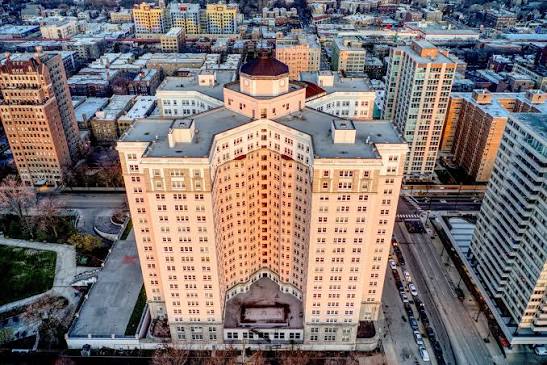
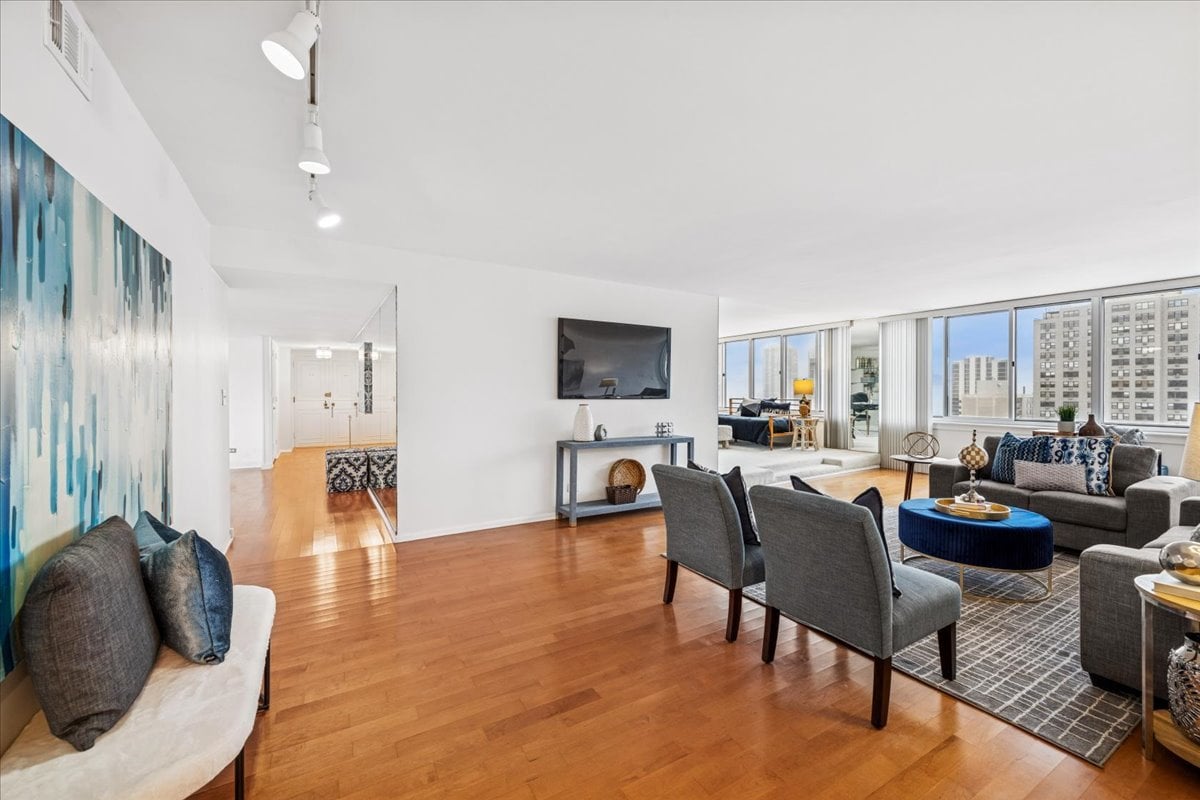
Park West | High-rise condos, vintage co-ops, mid-rise apartments | Dense and urban, right up against the park and lakefront. Skyline views, zoo at your doorstep. |
Mid-North District | Pre-war co-ops, preserved Victorian rowhouses, grand brownstones | Landmark enclave at the high end. Where the off-market trades happen. |
A note that saves buyers months: Sheffield and Wrightwood can be three blocks apart and feel like different cities on a Friday night. Tour at the hour you'll actually be living there.
The neighborhood is named for the park, and the park is the reason a lot of people never leave.
Lincoln Park Zoo was founded in 1868 and remains one of the oldest zoos in the country — and one of the very few still free to enter, every day, no ticket. Thirty-five acres, more than 1,100 animals, with modern conservation facilities including the Pepper Family Wildlife Center and the Regenstein Center for African Apes. For families, a free zoo you can walk to is a genuine, recurring quality-of-life asset, not a once-a-year outing.
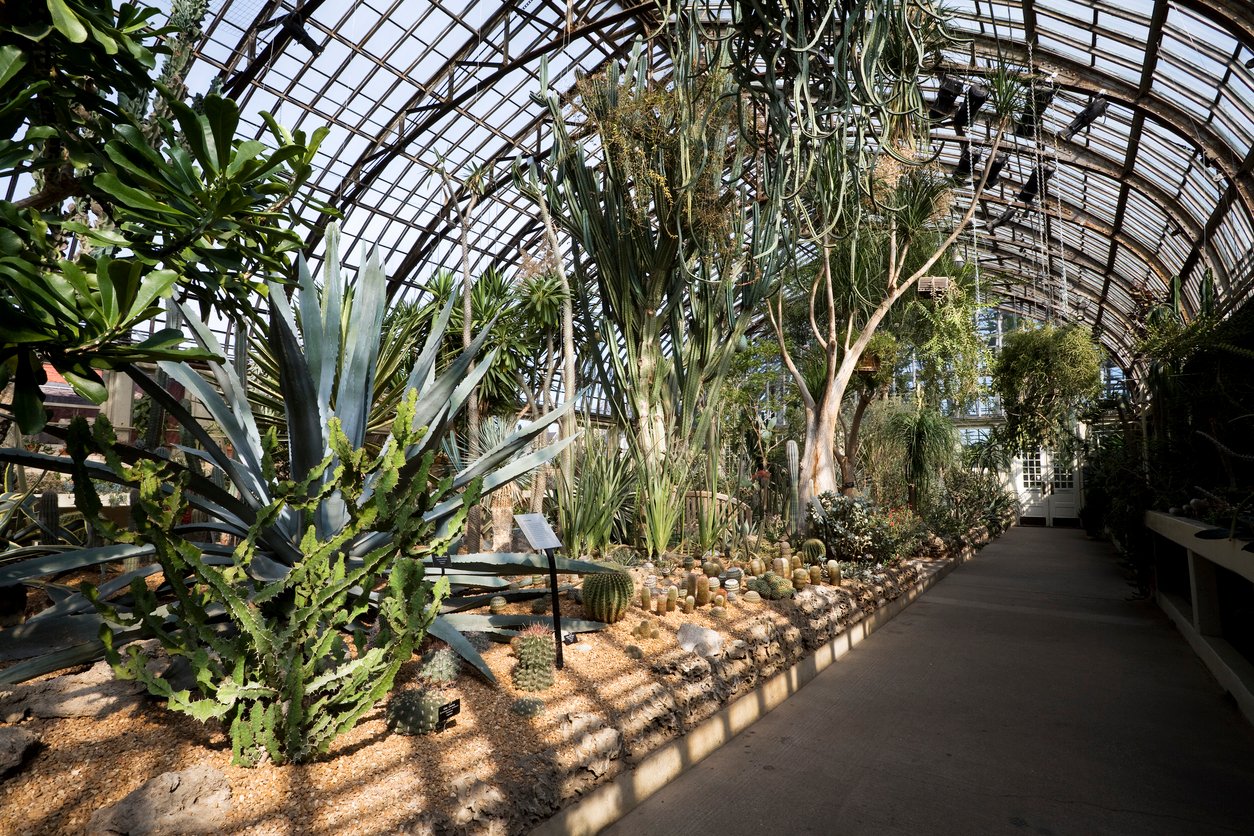
Lincoln Park Conservatory, just north of the zoo, is an 1890s glass house with four display rooms — the Palm House, Fern Room, Orchid House, and Show House. In February, when Chicago is at its most Chicago, it's one of the best free hours in the city.
The Nature Boardwalk at South Pond, designed by Studio Gang, converted the pond into a restored urban prairie ecosystem with native plantings, a half-mile wooden path, and a pavilion that frames the skyline. It is, fairly reliably, the most photographed spot in the neighborhood.
North Pond Nature Sanctuary sits at the park's northern end — 13 quieter acres that serve as a migratory bird stopover, with the well-regarded North Pond restaurant tucked into it.
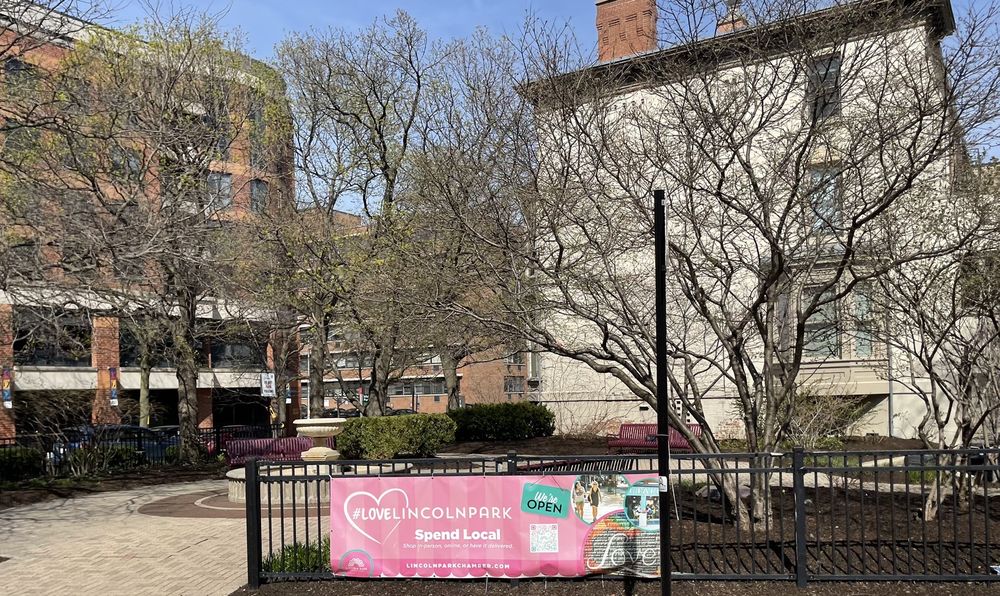
Beyond the main park, Lincoln Park has neighborhood green space embedded in the residential grid, which is what separates it from denser North Side options.
Oz Park honors Wizard of Oz author L. Frank Baum, a former local resident, with bronze statues of Dorothy, the Tin Man, the Scarecrow, and the Lion, plus Dorothy's Playlot. It's the center of gravity for youth sports leagues and families in Wrightwood and Sheffield.
Jonquil Park is the smaller, everyday option — splash pads, tennis courts, open lawn. Toddler play, dog walks, ten minutes outside between meetings.
North Avenue Beach anchors the southern lakefront with its ocean-liner-shaped beach house, volleyball courts, boat rentals, and skyline views. It's busy in July, which is either the appeal or the drawback depending on your temperament.
The Lakefront Trail runs 18.5 paved miles along Lake Michigan, and Lincoln Park has more access points to it than nearly any other neighborhood. Runners, cyclists, and bike commuters use it year-round — it's a legitimate car-free route to the Loop.
Lincoln Park's retail splits cleanly into three personalities, and they don't overlap much.
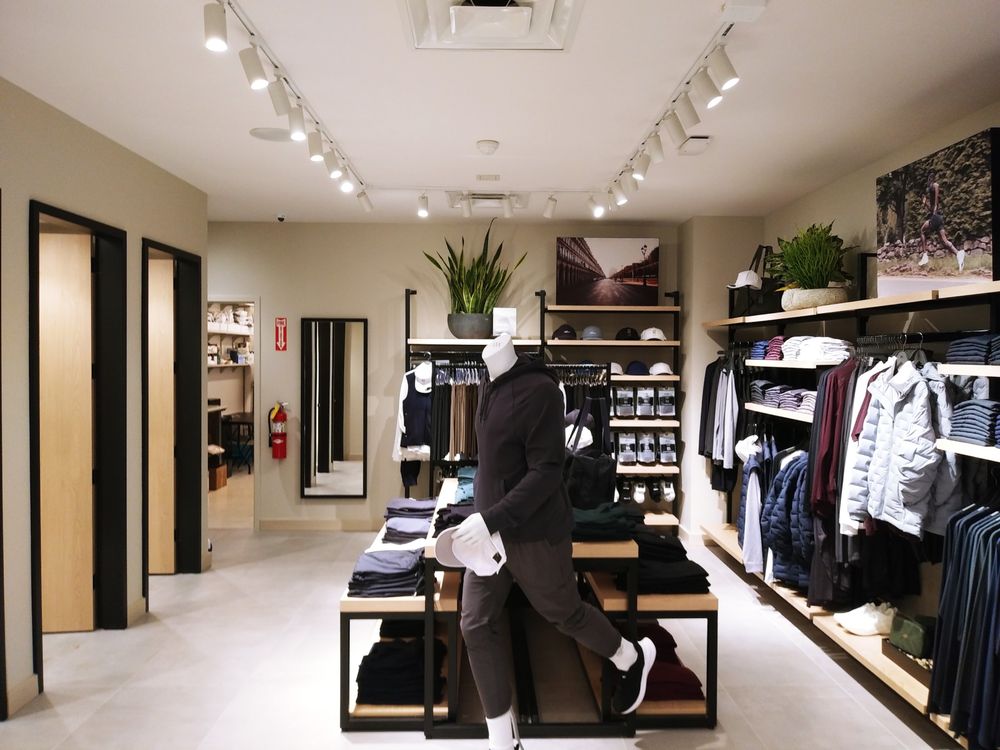
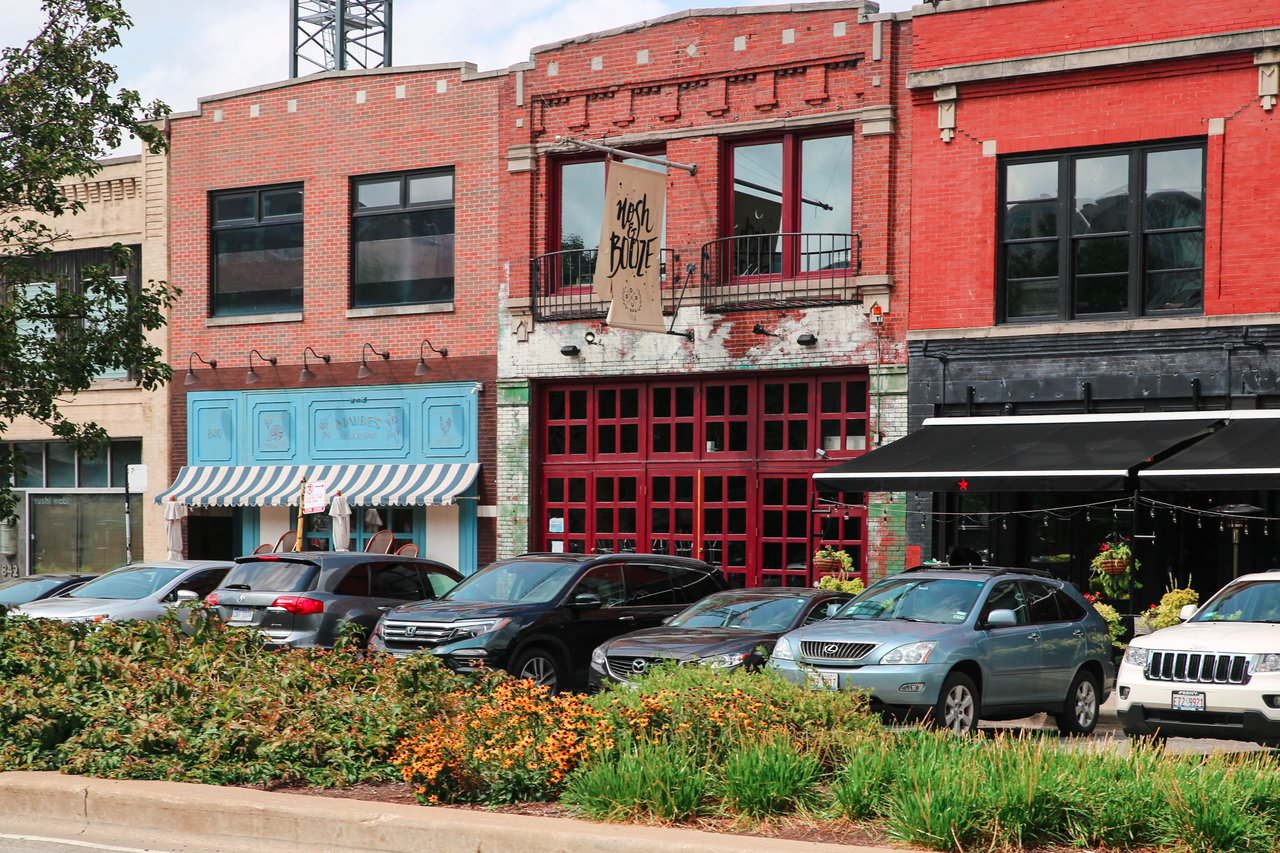
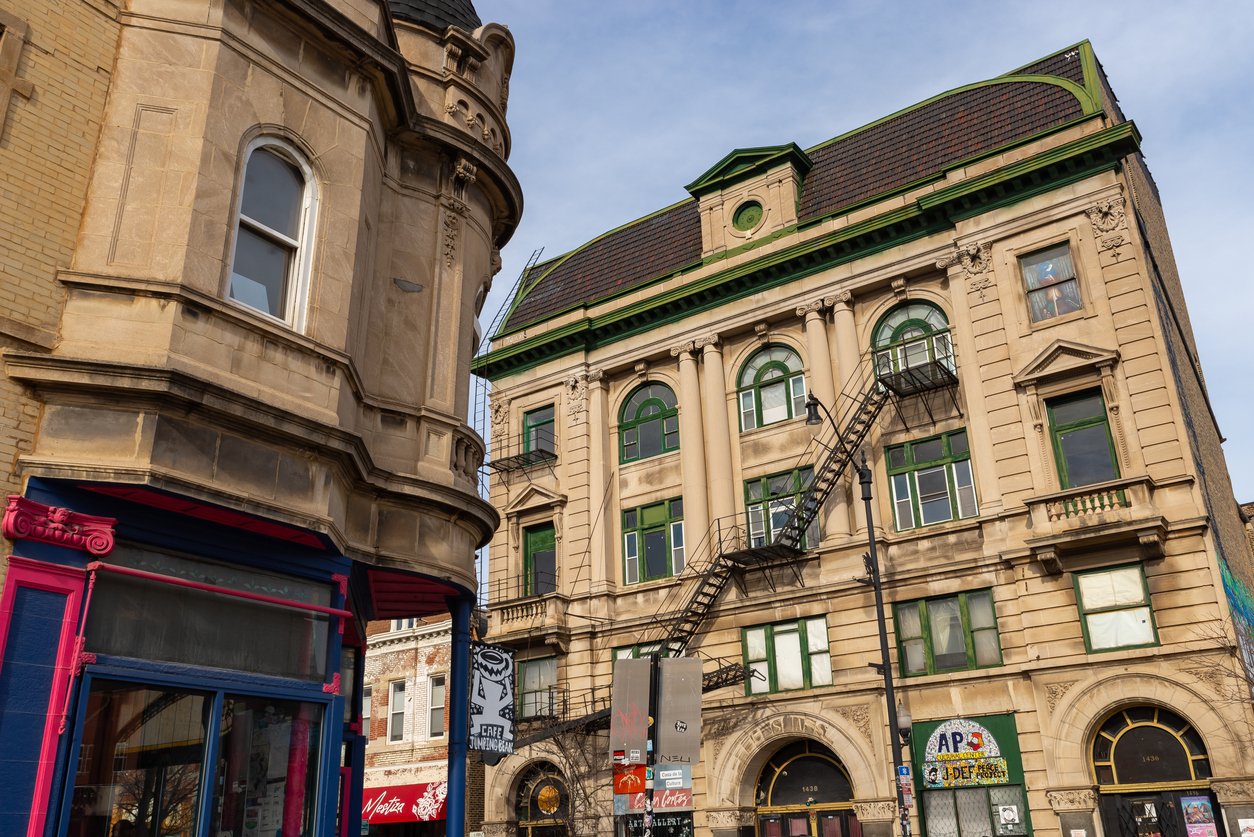
The Armitage–Halsted corridor is the neighborhood's premier boutique strip and one of the best-preserved retail streetscapes in Chicago — 19th-century storefronts occupied by high-end apparel, direct-to-consumer brands, luxury accessories, and home goods, alongside independent shops. Warby Parker, Aesop, and Serena & Lily sit next to local boutiques. It's a destination street, which means weekend foot traffic on the residential blocks around it.
The Clybourn Corridor runs along the western edge and handles everything the boutiques don't — big-box home goods, tech, apparel, and destination furniture, including the NEWCITY development. This is where Lincoln Park residents actually do their Saturday errands, and it's a major reason the neighborhood works for people who'd otherwise need a suburb.
Lincoln Avenue and Clark Street are the everyday strips: independent shops, bakeries, fitness studios, dry cleaners, service retail. Pedestrian-heavy, locally owned, and the truest read on neighborhood character.
Few Chicago neighborhoods span this much range — three-Michelin-star tasting menus and a 4 a.m. blues club within about a mile of each other.
At the top, Alinea anchors Ranch Triangle with Grant Achatz's three-Michelin-starred cooking, joined by Boka, Esmé, and North Pond for seasonal, Michelin-recognized tasting menus. This is a genuine destination dining cluster — people fly in for it.
The polished neighborhood tier is where residents actually eat: Armitage Ale House for London-pub cooking, Summer House Santa Monica for West Coast small plates, Mon Ami Gabi for French bistro standards in the Belden-Stratford.
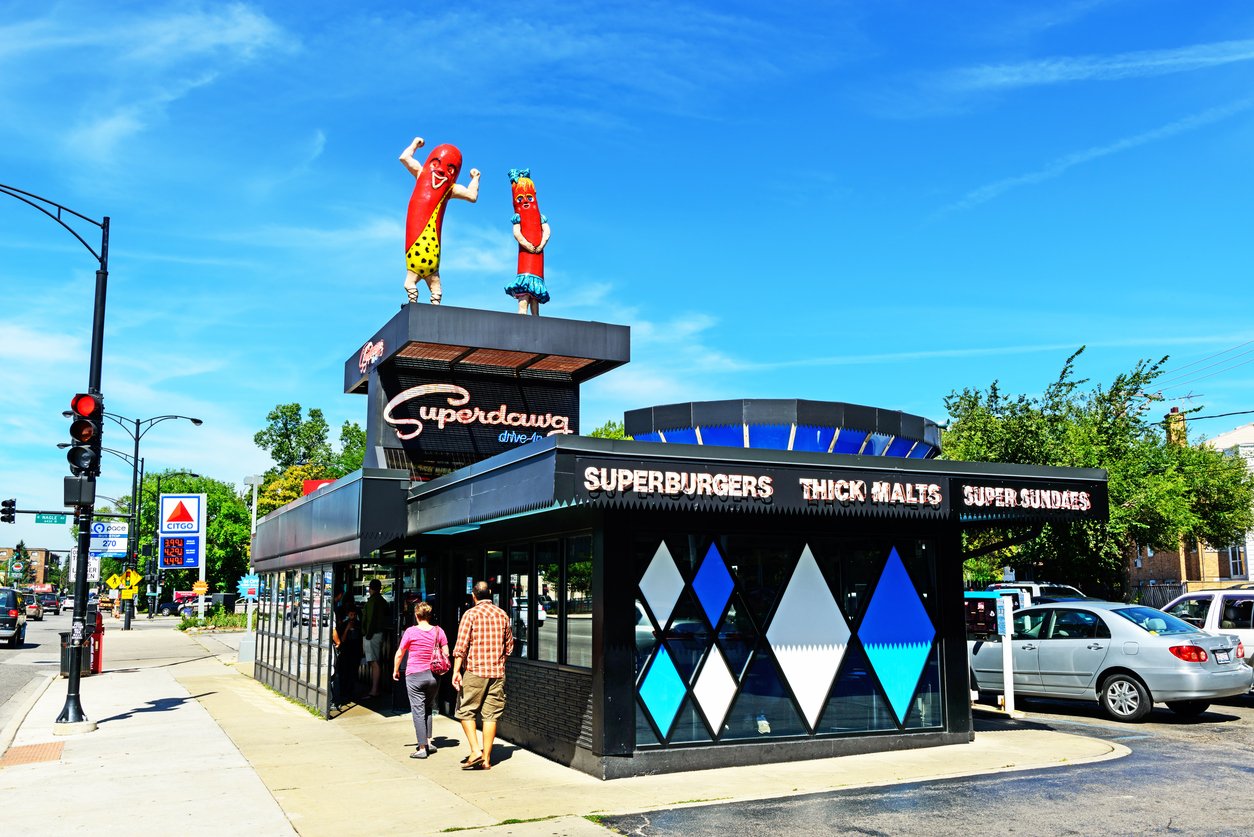
Then there's the heritage layer, which is the part that tells you this is a real neighborhood and not a development. Geja's Café has been doing fondue by candlelight for decades. The Athenian Room serves Greek comfort food to generations of DePaul students. R.J. Grunts was the original Lettuce Entertain You restaurant. And The Wiener's Circle is exactly what you've heard it is.
For nightlife: Kingston Mines runs dual-stage live blues until 4 a.m. and is one of the last of its kind in the city. Lincoln Hall handles mid-sized indie shows. Delilah's is the whiskey-and-punk institution, and Halligan Bar covers the neighborhood-bar end.
Lincoln Park is one of the primary engines of Chicago theater, not a beneficiary of it.
Steppenwolf Theatre Company on Halsted is the flagship — a Tony Award–winning ensemble co-founded by Gary Sinise, Terry Kinney, and Jeff Perry. The campus includes the Downstairs Theater, the 400-seat Ensemble Theater in the round, and the intimate 1700 Theater. Living within walking distance of a company of that caliber is a real amenity for anyone who uses it.
The Apollo Theater Chicago, built in 1978, is a 435-seat house known for off-Broadway transfers, comedy runs, and long-running hits like Million Dollar Quartet.
Lincoln Hall occupies a 1912 building with an unusually good story — it was the FBI's staging site during the John Dillinger operation. Today it's regarded as one of the best-sounding mid-sized rooms in Chicago.
And just across North Avenue on the Old Town border, The Second City has been launching careers since 1959 — Bill Murray, Tina Fey, Steve Carell, Amy Poehler. Technically the next neighborhood over. Practically, a ten-minute walk.
School access is one of the main reasons Lincoln Park retains families who would otherwise leave for the suburbs. Attendance boundaries here are worth verifying address by address before you write an offer, because they shift and they materially affect value.
School | Type | Notes |
|---|---|---|
Abraham Lincoln Elementary | Public zoned, K–8 | Top-rated, serves eastern Lincoln Park. A recognized driver of home demand within its boundary. |
Louisa May Alcott College Prep | Public zoned, K–8 | Serves the Park West section; emphasis on high school preparation and smaller class environments. |
Oscar Mayer Magnet | Public magnet, K–8 | Dual Montessori and International Baccalaureate programming, serving both neighborhood and citywide students. |
Lincoln Park High School | Public zoned + selective, 9–12 | IB Diploma Program, Selective Enrollment Honors tracks, strong drama and music departments. |
Francis W. Parker School | Private independent, PK–12 | Progressive, co-ed, experiential. Among the city's most selective. |
Latin School of Chicago | Private independent | Long-established option serving Lincoln Park and Gold Coast families. |
DePaul University | Private university | Anchors Sheffield with its Liberal Arts, Music, Education, and Theatre School campuses. |
DePaul's presence is a double-edged consideration. It brings energy, food, theater, and steady rental demand — and it brings student housing density to the blocks immediately around campus. Investors often love those blocks. Families with young children sometimes prefer Wrightwood instead.
Lincoln Park is one of the best-connected neighborhoods on the North Side, and the connectivity is layered — train, bus, highway, and bike all work.
CTA trains. The Fullerton station is a major transfer hub serving the Red, Brown, and Purple Line Express. Armitage and Diversey serve the Brown and Purple Lines. Commute to the Loop runs roughly 15 to 20 minutes.
Buses. The #151 Sheridan and #156 LaSalle run scenic lakefront routes into the financial district. The #22 Clark and #36 Broadway provide 24/7 north-south service. The #8 Halsted bisects the neighborhood toward the western corridors.
Driving. DuSable Lake Shore Drive is accessible via Fullerton or North Avenue, putting downtown 10 to 20 minutes away depending on traffic. The I-90/94 Kennedy is 10 to 15 minutes west via North, Armitage, or Diversey.
Biking. Protected lanes on Lincoln and Clark connect straight into the Lakefront Trail. Bike commuting to the Loop is genuinely viable here for much of the year.
One honest caveat: parking. Street parking is permit-zoned and tight, especially near Armitage, Halsted, and DePaul. A deeded garage space adds real cost to a purchase — often $30,000 to $50,000-plus — and for many buyers it's non-negotiable. Factor it into your budget from the start rather than discovering it at offer stage.
Lincoln Park works exceptionally well for some buyers and poorly for others. Here's the honest read.
It's an ideal fit if you're a young professional or downtown commuter. Fifteen minutes to the Loop, dining and nightlife you don't have to travel for, and lakefront fitness access outside your door.
It's an ideal fit if you're a family who wants urban life without giving up schools or green space. Lincoln Elementary, Lincoln Park High School, Parker, and Latin, paired with Oz Park and a free zoo, is a combination the suburbs can't replicate.
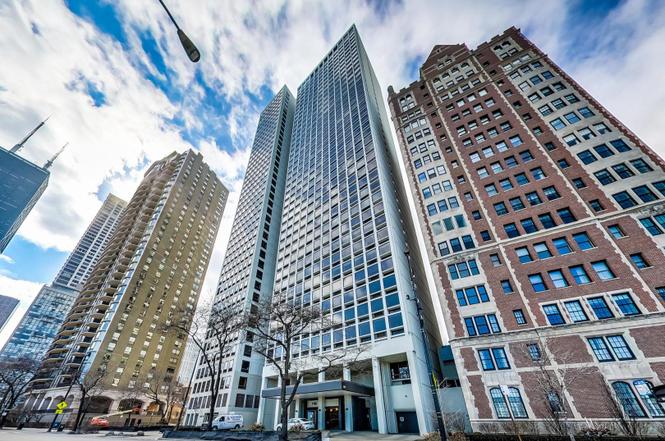
It's an ideal fit if you're a turn-key or luxury buyer. The range — historic greystones, custom infill, full-amenity high-rises — is deep enough that you can be specific about what you want.
Lincoln Park isn't a market you can shop from a portal. The difference between an off-market greystone in Mid-North and a five-offer condo situation in Ranch Triangle is a matter of blocks, and knowing which is which is the whole job.
The Romolo Group is a Chicago-based team led by Jen Romolo, a top-producing broker consistently ranked among the top 2% of Chicagoland agents (Infosparks data, 01/01/2021 to present). We operate with boutique-level attention backed by the scale of @properties Christie's International Real Estate — the #1 brokerage in Chicago by MLS sales data (1/1/2024–12/31/2024) — and a global luxury network through Christie's. Alongside Jen, the team includes Jazmine DeLeon, Danny DeOliveira (construction and investment background, invaluable on vintage-stock condition questions), Mary Clare Fonseca (first-time buyer specialist), and Krystal Negron (marketing and listing presentation).
Our approach is data-driven guidance, not sales pitches. For buyers, we hand-select properties against your goals and neighborhood preferences rather than forwarding automated search results. For sellers, we build marketing plans around professional photography, targeted digital campaigns, and strategic pricing grounded in current comps. We work across everything from historic bungalows and modern condos to multi-unit buildings and new construction.
Whether you're buying your first Lincoln Park condo, selling a greystone you've held for twenty years, or relocating to the North Side from out of state, we'd like to hear what you're working toward.
Romolo Group
1875 N Damen Ave, Chicago, IL 60647
(847) 826-1253 · [email protected]
There's plenty to do around Lincoln Park, including shopping, dining, nightlife, parks, and more. Data provided by Walk Score and Yelp.
Explore popular things to do in the area, including Pizza Posse, College Cafe Incorparated, and Altoids Curious and Original Chocolate Shoppe.
| Name | Category | Distance | Reviews |
Ratings by
Yelp
|
|---|---|---|---|---|
| Dining | 0.14 miles | 0 reviews | 0/5 stars | |
| Dining | 0.3 miles | 0 reviews | 0/5 stars | |
| Dining | 0.34 miles | 0 reviews | 0/5 stars | |
| Dining | 0.5 miles | 0 reviews | 0/5 stars | |
| Dining | 0.6 miles | 11 reviews | 4.2/5 stars | |
| Shopping | 0.33 miles | 1 review | 5/5 stars | |
| Active | 0.12 miles | 0 reviews | 0/5 stars | |
| Active | 0.39 miles | 0 reviews | 0/5 stars | |
| Active | 0.48 miles | 29 reviews | 4/5 stars | |
| Active | 0.5 miles | 1 review | 2/5 stars | |
| Active | 0.56 miles | 0 reviews | 0/5 stars | |
| Active | 0.6 miles | 0 reviews | 0/5 stars | |
| Active | 0.66 miles | 0 reviews | 0/5 stars | |
| Active | 0.73 miles | 0 reviews | 0/5 stars | |
| Active | 0.75 miles | 1 review | 5/5 stars | |
| Active | 0.77 miles | 0 reviews | 0/5 stars | |
| Active | 0.78 miles | 0 reviews | 0/5 stars | |
| Active | 0.83 miles | 0 reviews | 0/5 stars | |
| Beauty | 0.32 miles | 0 reviews | 0/5 stars | |
| Beauty | 0.49 miles | 0 reviews | 0/5 stars | |
| Beauty | 0.49 miles | 0 reviews | 0/5 stars | |
| Beauty | 0.53 miles | 1 review | 5/5 stars | |
| Beauty | 0.62 miles | 0 reviews | 0/5 stars | |
| Beauty | 0.75 miles | 0 reviews | 0/5 stars | |
|
|
||||
|
|
||||
|
|
||||
|
|
||||
|
|
||||
|
|
Lincoln Park has 33,145 households, with an average household size of 2. Data provided by the U.S. Census Bureau. Here’s what the people living in Lincoln Park do for work — and how long it takes them to get there. Data provided by the U.S. Census Bureau. 67,831 people call Lincoln Park home. The population density is 36,660 and the largest age group is Data provided by the U.S. Census Bureau.
Total Population
Population Density Population Density This is the number of people per square mile in a neighborhood.
Median Age
Men vs Women
Population by Age Group
0-9 Years
10-17 Years
18-24 Years
25-64 Years
65-74 Years
75+ Years
Education Level
Total Households
Average Household Size
Average individual Income
Households with Children
With Children:
Without Children:
Blue vs White Collar Workers
Blue Collar:
White Collar:
1875 N DAMEN AVE CHICAGO IL 60647
1875 N DAMEN AVE CHICAGO IL 60647