Welcome to
Andersonville
A celebrated independent business district on Clark Street, Swedish heritage, and vintage homes on leafy side streets.
6,891 people live in Andersonville, where the median age is 40 and the average individual income is $72,869. Data provided by the U.S. Census Bureau.
Total Population
Median Age
Population Density
Average individual Income
Andersonville is one of the few Chicago neighborhoods where the main street still belongs to its residents. North Clark Street is made up almost entirely of independent businesses, the side streets are lined with vintage brick buildings and mature trees, and most daily errands can be done on foot. It has deep Swedish roots, a long-established LGBTQ+ community, and a neighborhood identity that has held steady for decades.
From a buyer's point of view, Andersonville appeals to people who want character and walkability more than new construction and private parking. Most homes here are vintage condos and multi-unit buildings, so the quality of the building and its association often matters as much as the unit. Single-family homes exist, but there are relatively few of them, and the good ones don't stay on the market long.
Andersonville is not one of Chicago's 77 official community areas. It's a historic neighborhood that sits mostly within Edgewater, with its southern edge extending into Uptown. It's about 7 miles north of the Loop and roughly a mile west of Lake Michigan.
The boundaries are informal, but most locals use these:
Direction | Boundary | What's Beyond It |
|---|---|---|
North | Bryn Mawr Avenue (some definitions go further north) | Edgewater Glen and the rest of Edgewater |
South | Foster Avenue (the commercial strip continues toward Lawrence) | Uptown |
East | Broadway | East Edgewater and the lakefront |
West | Ravenswood Avenue and the Metra tracks | Ravenswood and Lincoln Square |
When you search listings, keep in mind that a property marketed as "Andersonville" may officially be in Edgewater or Uptown. That doesn't affect the home itself, but it does affect school assignments, ward services, and how the data is grouped when we pull comparable sales.
The neighborhood's origins trace back to the Great Chicago Fire of 1871. After the fire, the city banned wood-frame construction within its limits. Many Swedish immigrants worked as carpenters and builders, so they moved north past the city line into what was then farmland, where they could still build affordably in wood.
By the early 1900s, Clark Street was the commercial center of Swedish Chicago, lined with bakeries, delis, hardware stores, and churches. The neighborhood changed over the following century, but its heritage is still easy to see. The Swedish American Museum at 5211 N. Clark Street has served as the cultural anchor since 1976. The water tower painted in the blue and yellow of the Swedish flag is one of the neighborhood's best-known landmarks. Midsommarfest and the St. Lucia celebration are still held every year, and Swedish-rooted spots like Svea and the newer Lost Larson bakery continue that tradition.
Today, Andersonville's identity combines its Scandinavian heritage, a strong LGBTQ+ presence, and a business community that has deliberately protected its independent character.
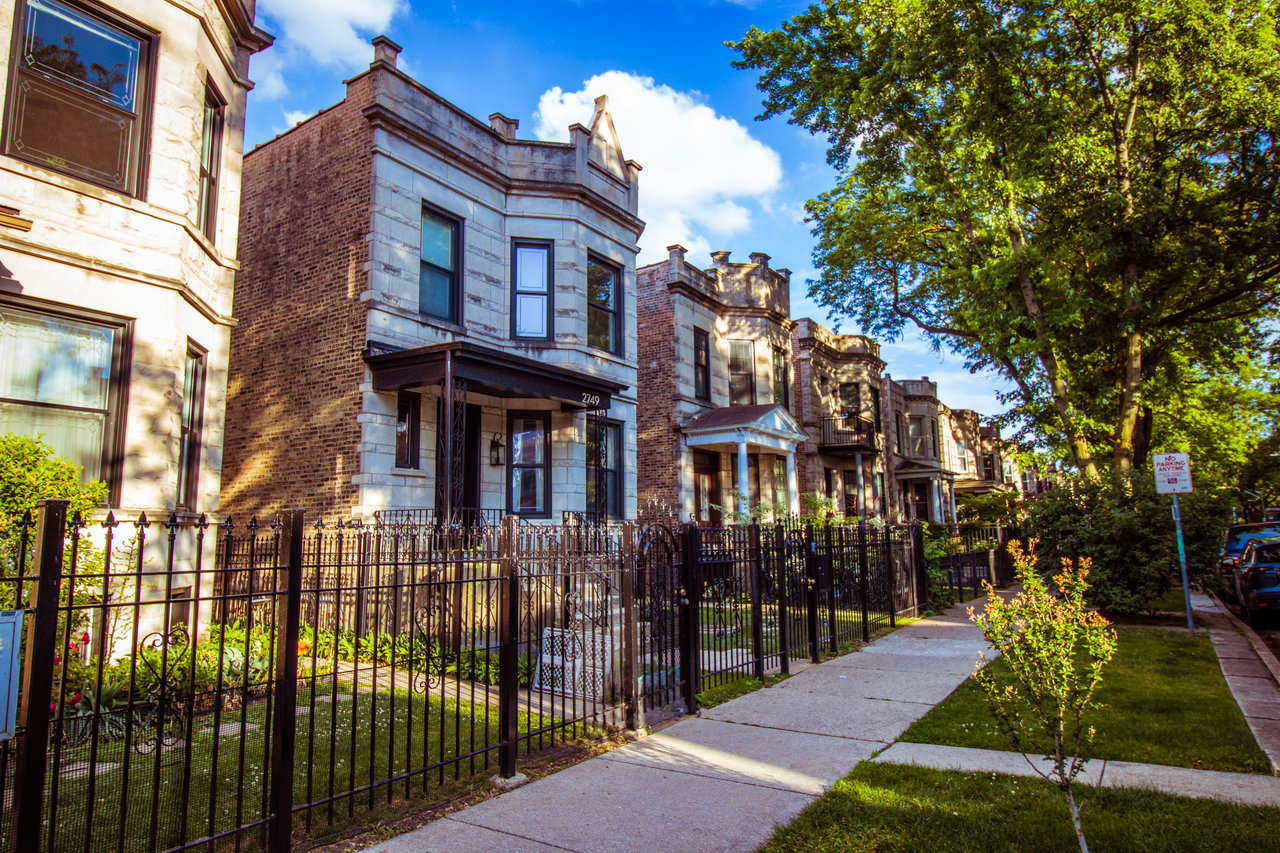
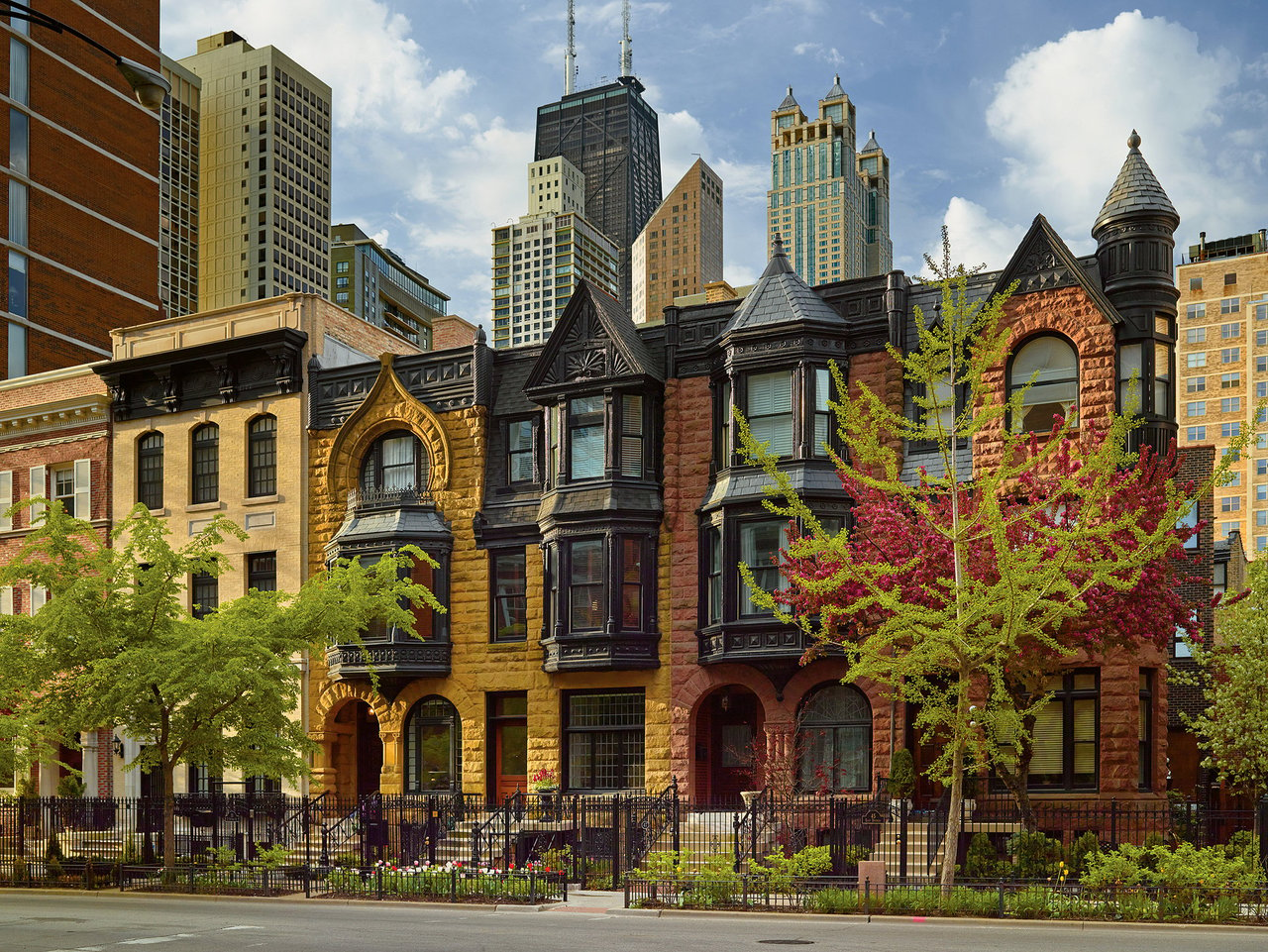
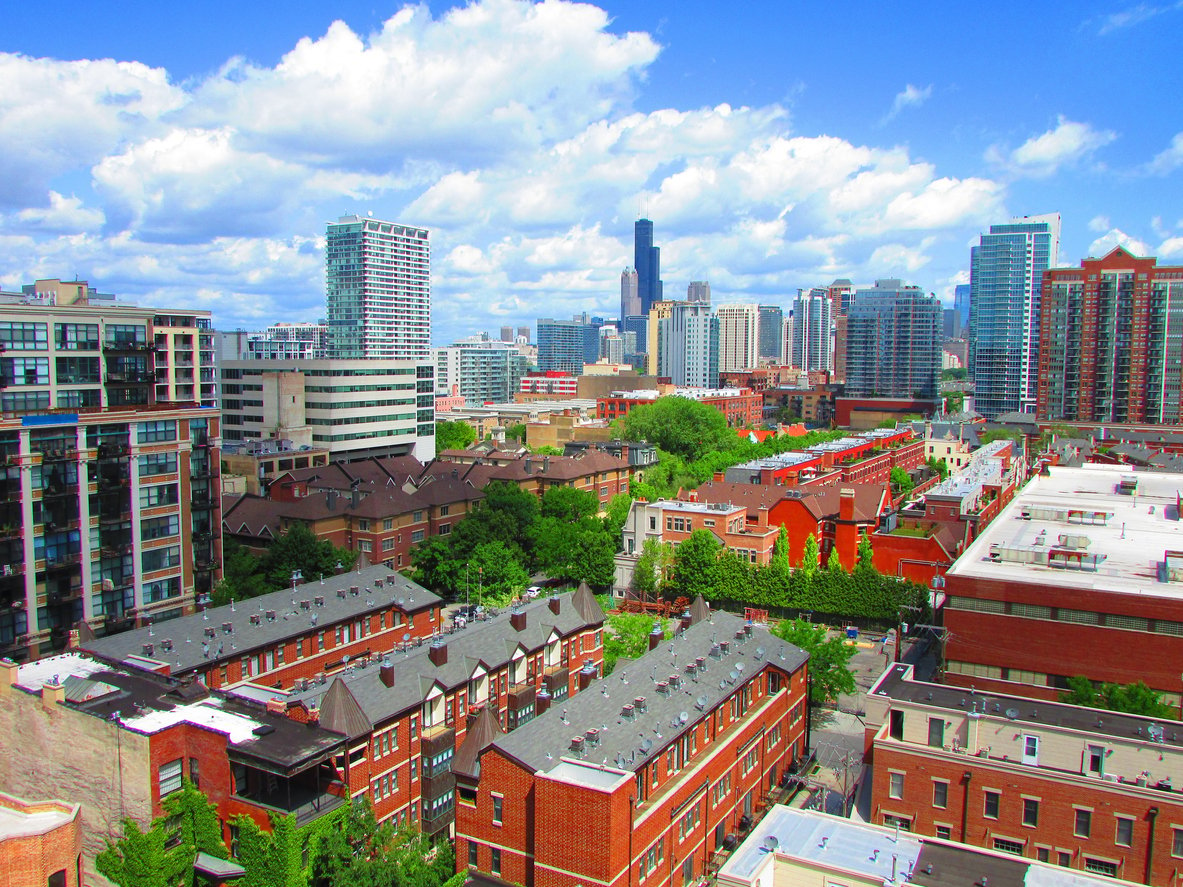
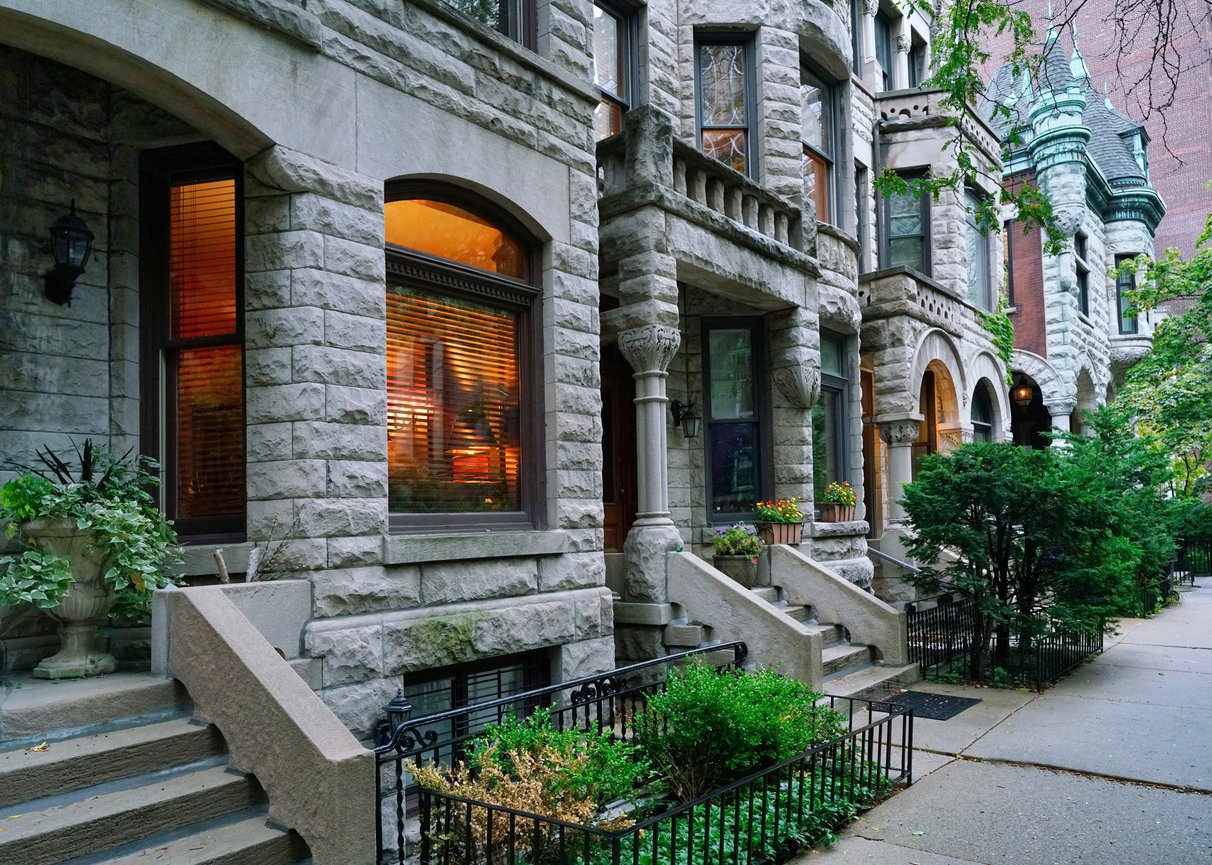
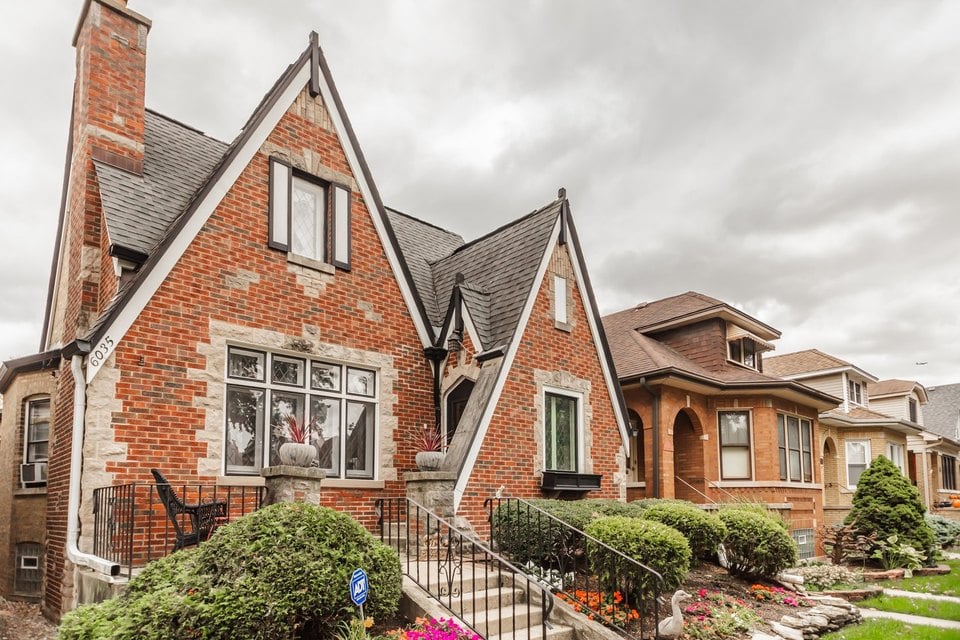
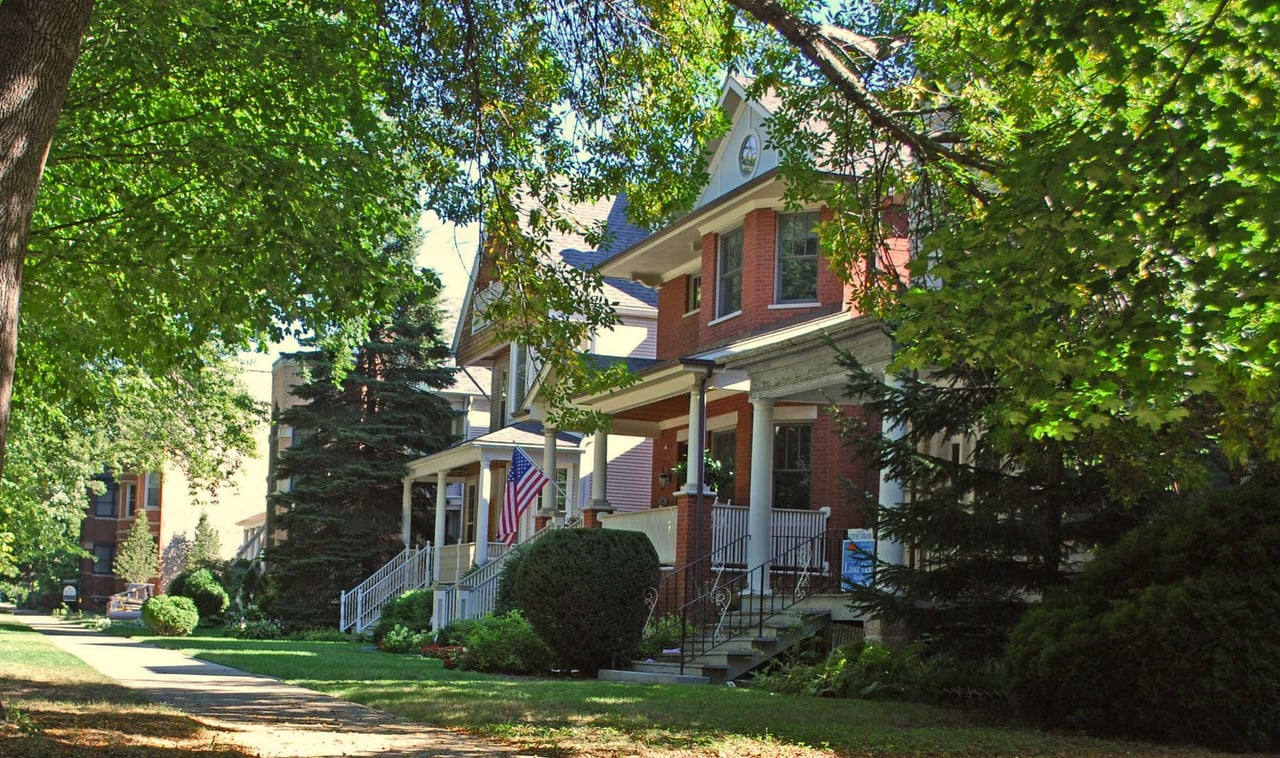
Andersonville has some of the best-preserved vintage housing on the North Side. The Clark Street corridor is listed on the National Register of Historic Places as the Andersonville Commercial Historic District, and the residential streets reflect the same era.
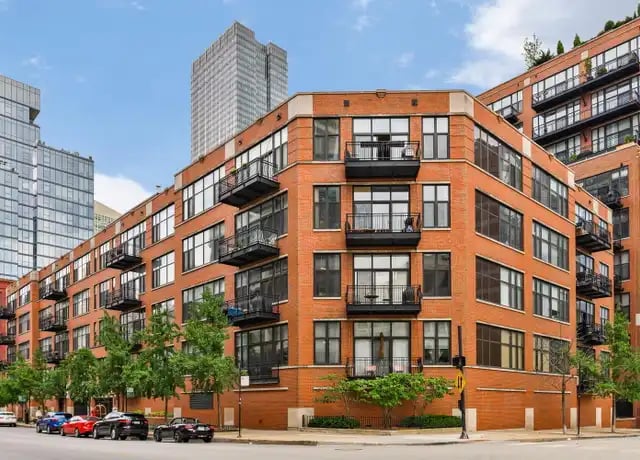
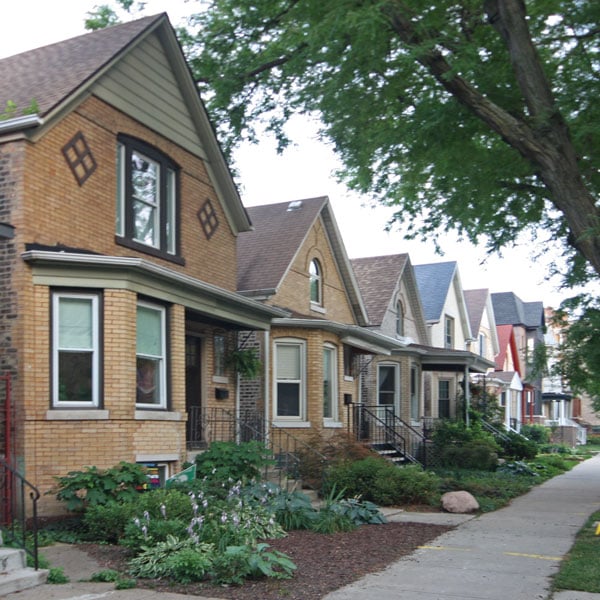
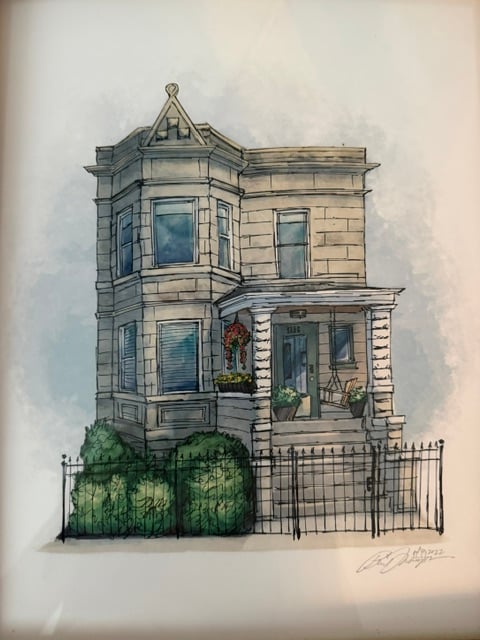
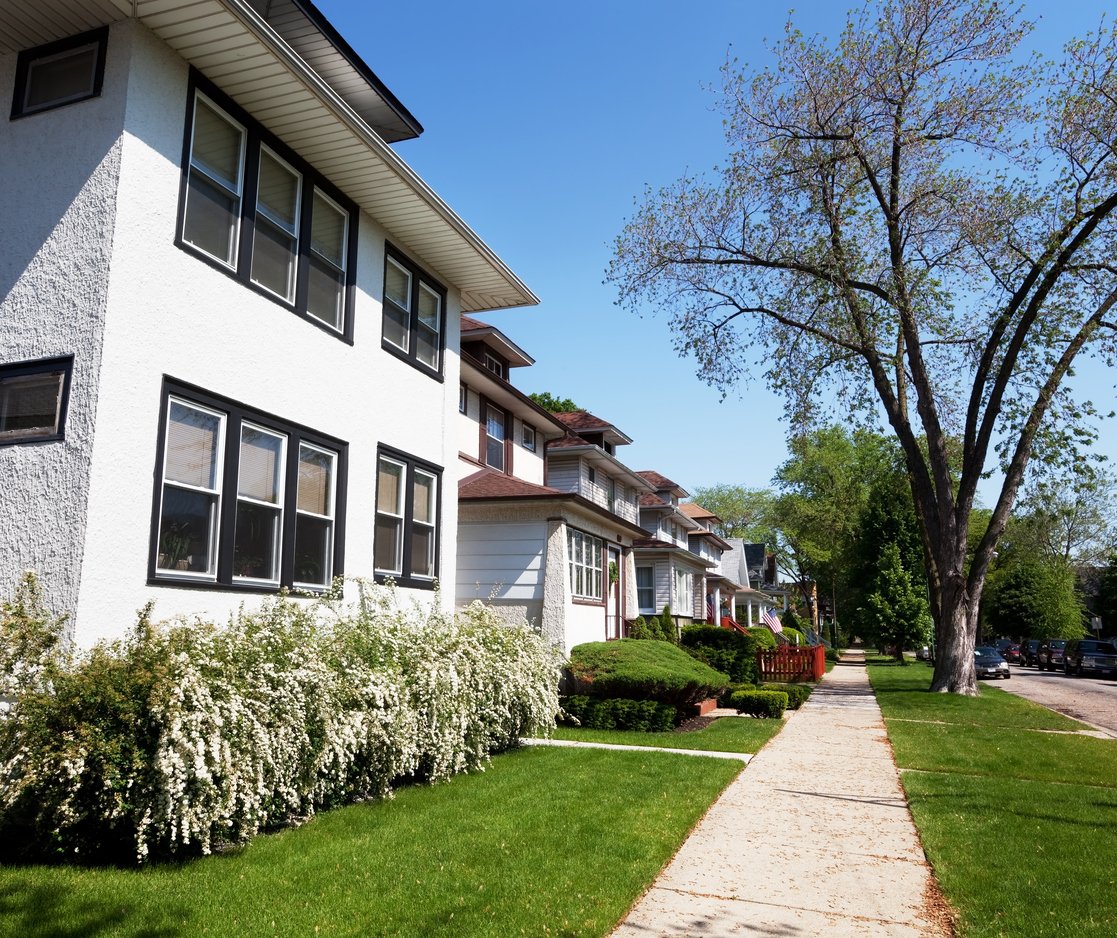
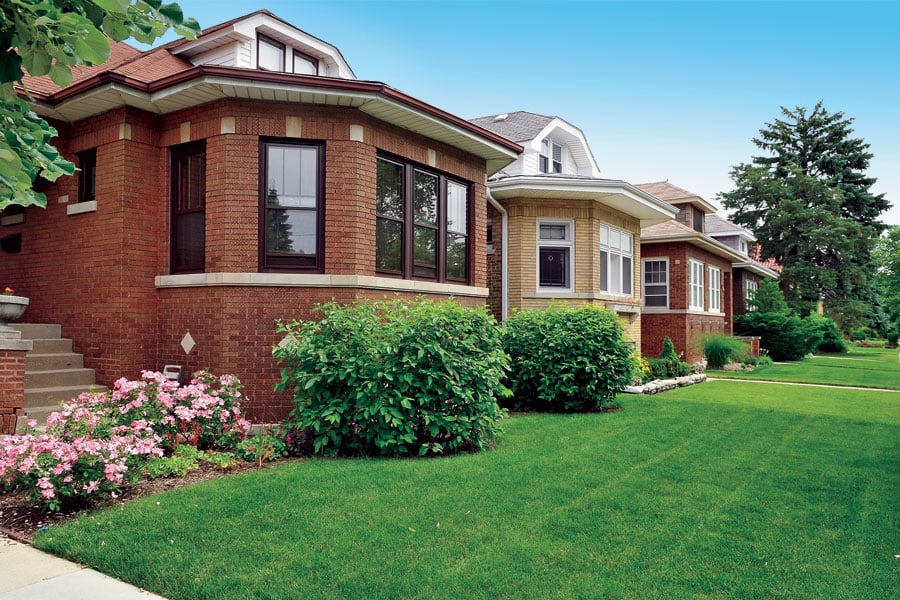
Two-flats and three-flats from roughly 1900 to 1920 make up much of the housing stock. Many have been converted to condos. Others are still owner-occupied income properties, which is one of the more practical ways to buy here.
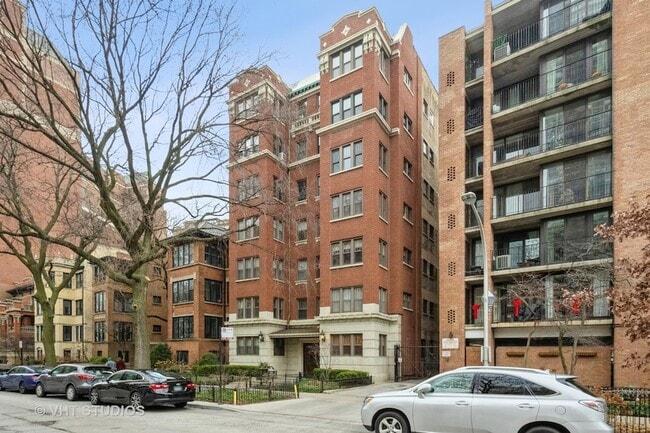
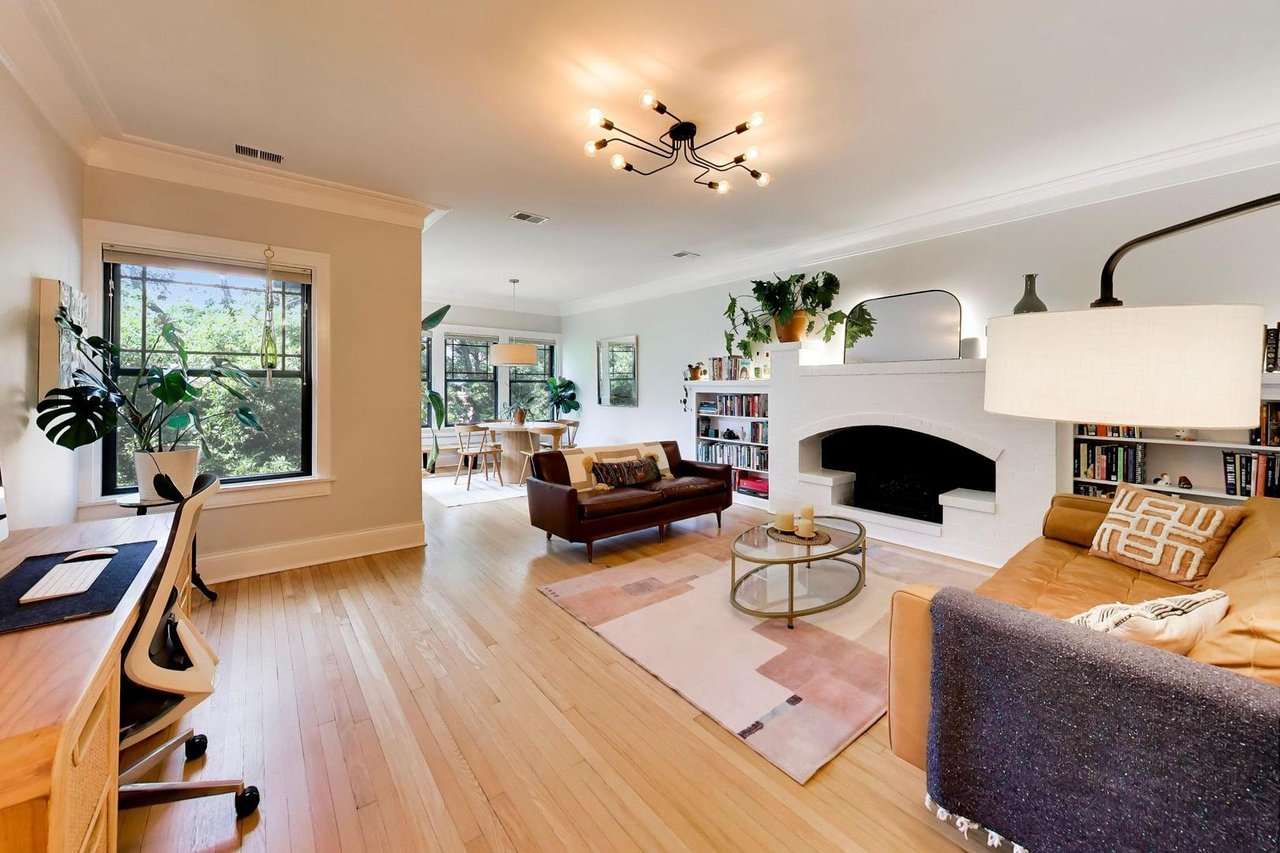
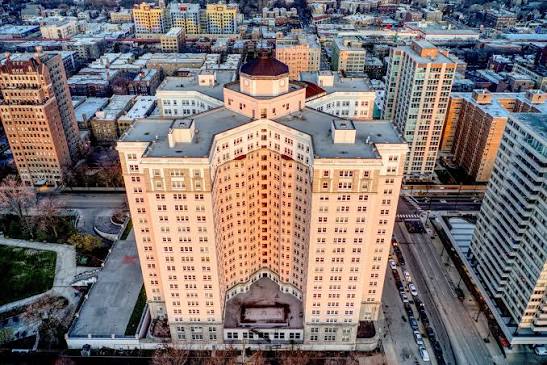
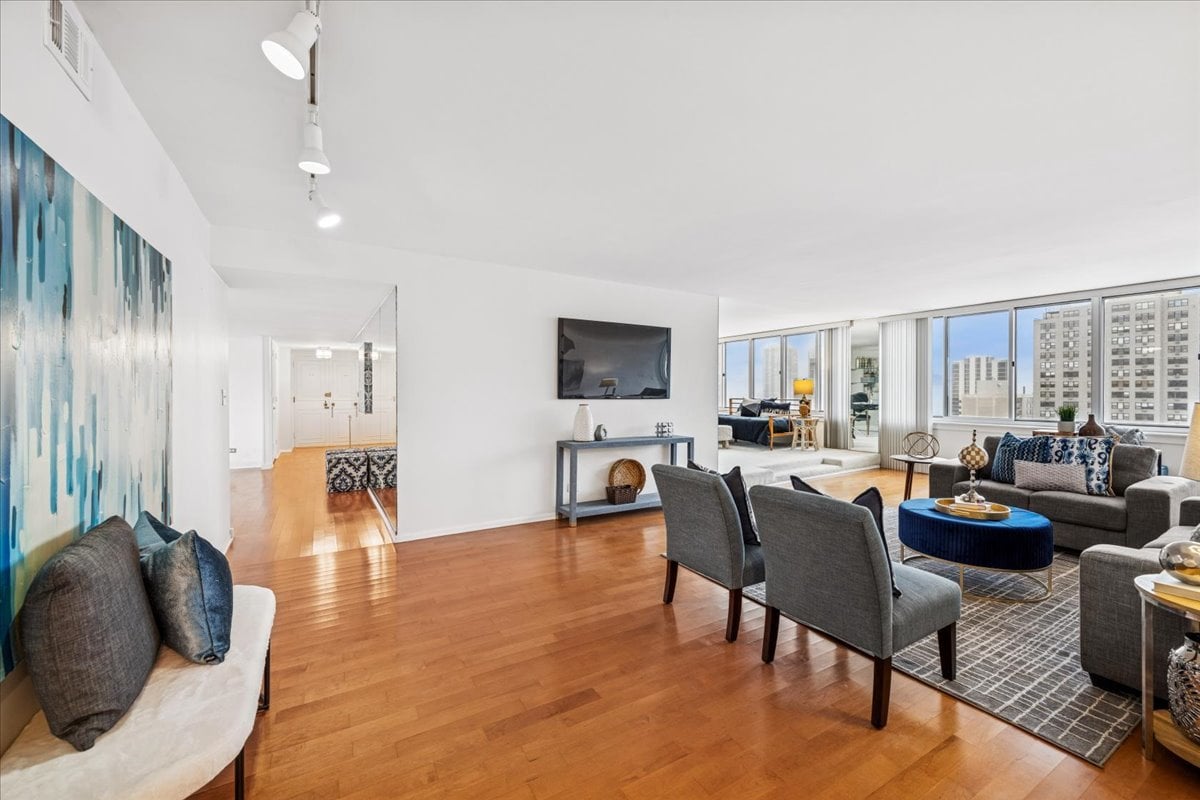
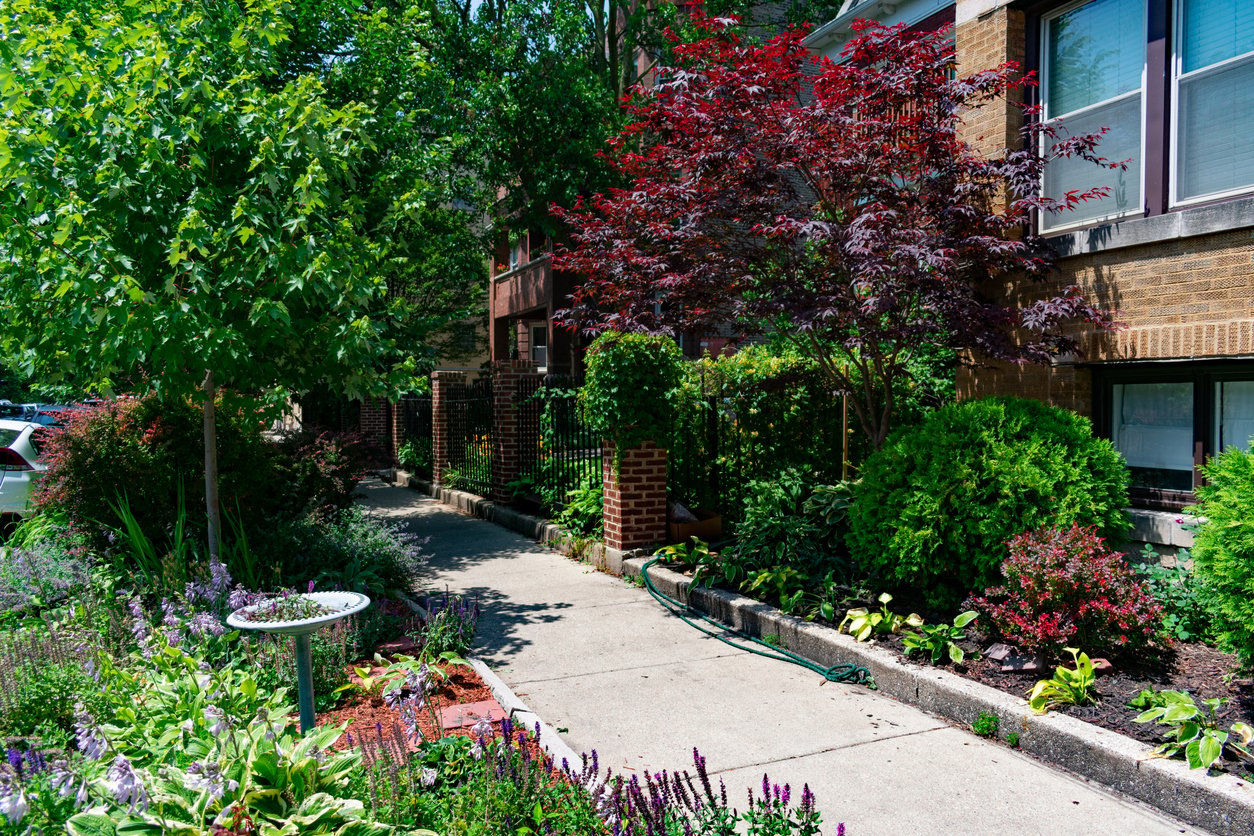
Vintage courtyard buildings from the 1910s and 1920s surround landscaped green space and now hold many of the neighborhood's condos. They have high ceilings, hardwood floors, original trim, and plenty of character. They can also come with older mechanical systems and building-wide capital needs.
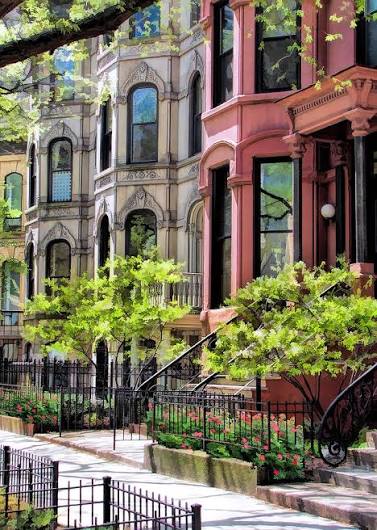
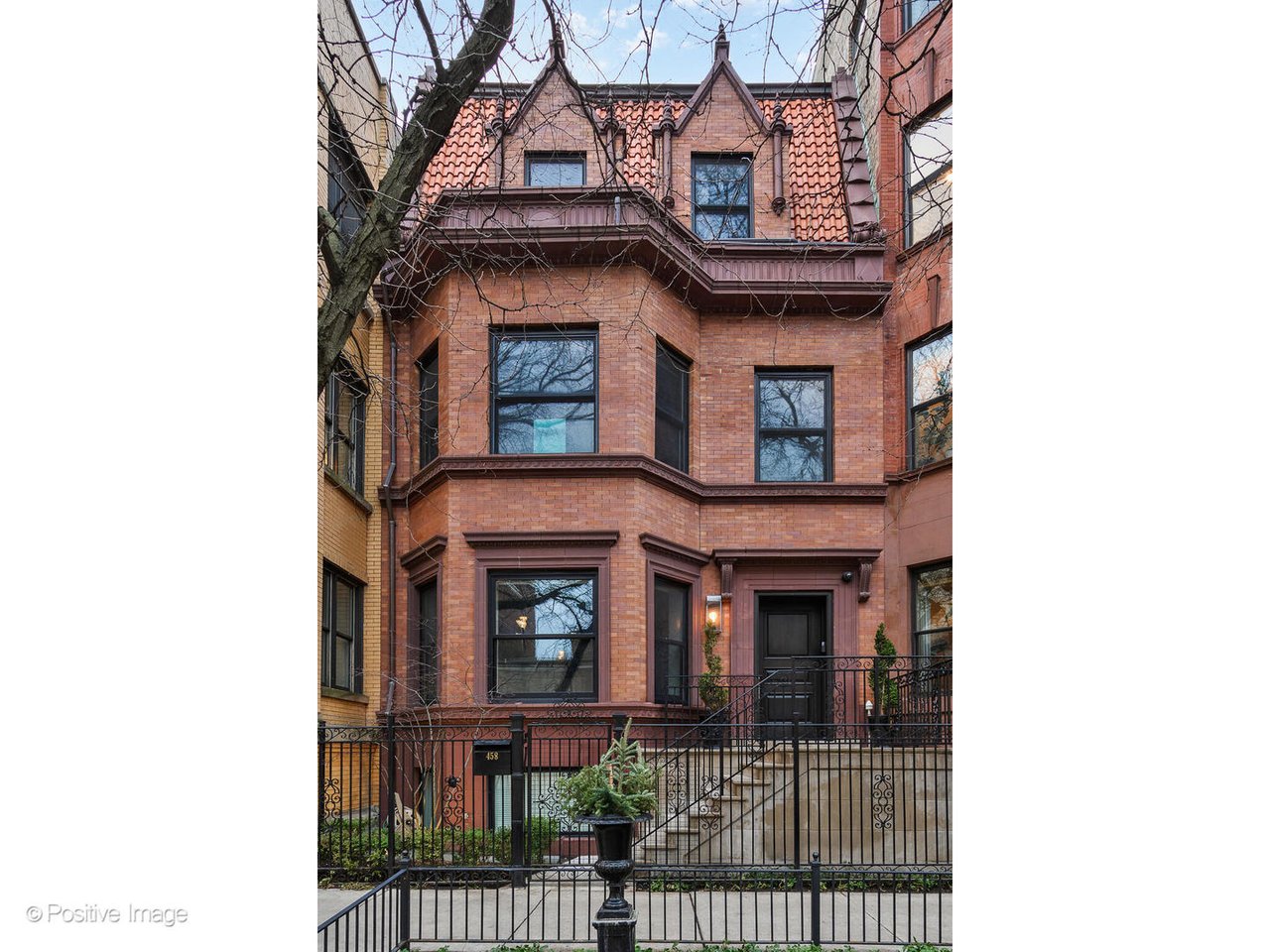
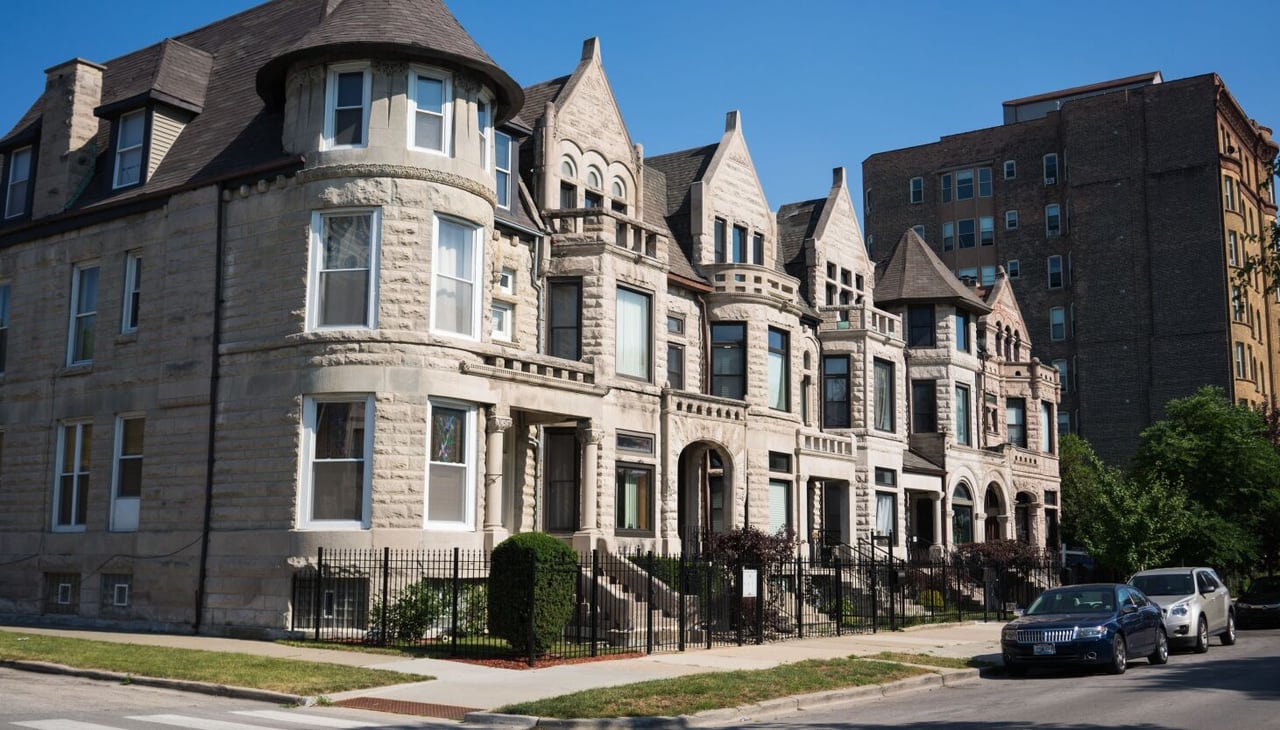
Greystones and brick rowhouses offer generous layouts and limestone facades, and they're often the best balance of space and vintage detail.
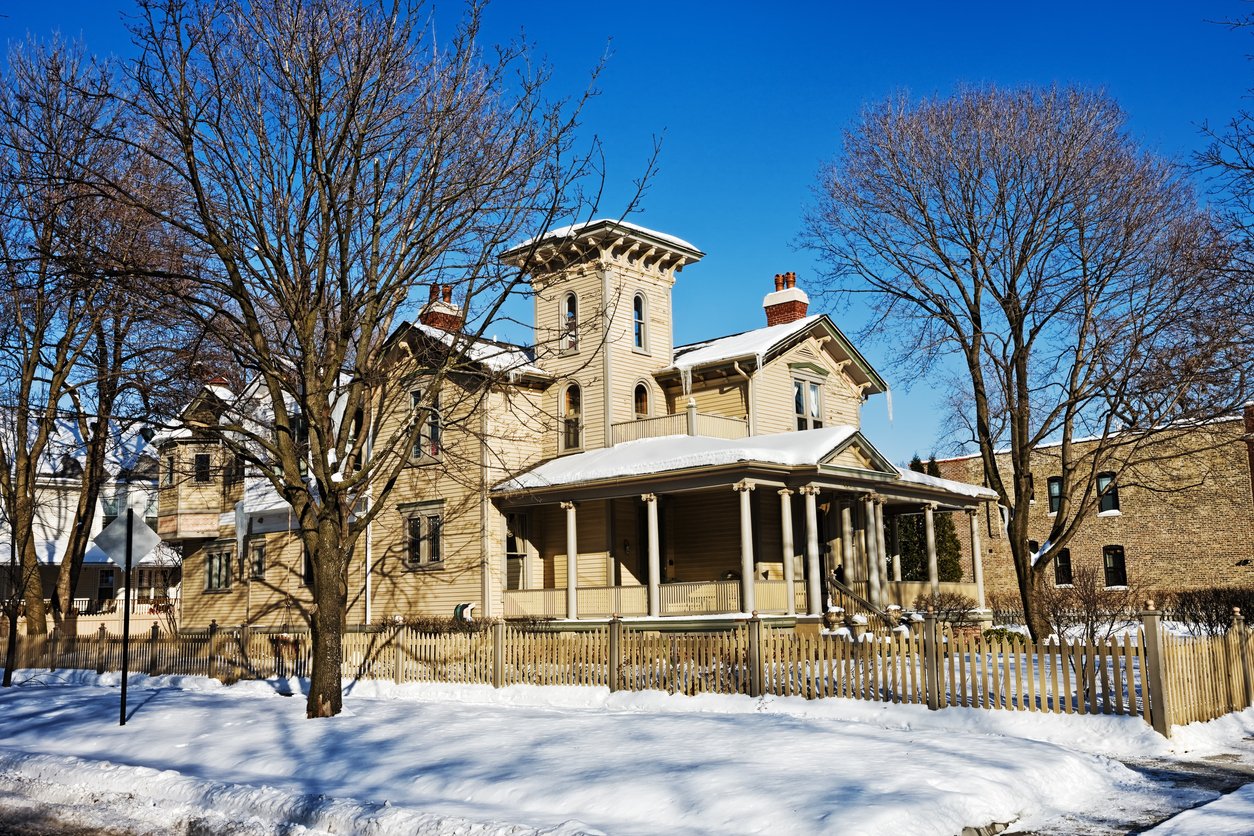
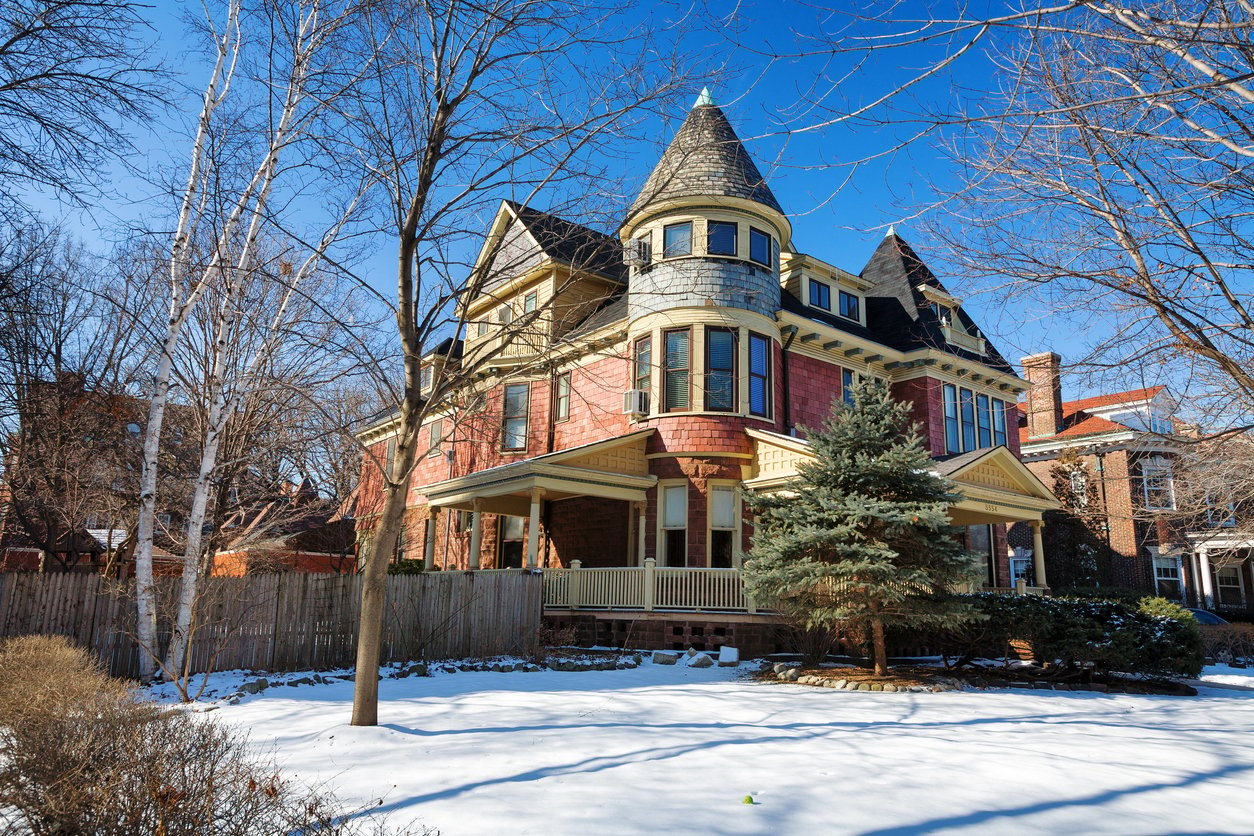
Victorian and Queen Anne homes are concentrated in the Lakewood-Balmoral area east of Clark. These are the neighborhood's most sought-after single-family homes, with wraparound porches, gables, and original woodwork.
Some practical points for buyers:
Andersonville is consistently one of the steadier, higher-demand markets on the North Side. Demand for the neighborhood's walkability, historic housing, and Clark Street stays strong, and well-presented homes often sell quickly and sometimes above list price.
These are approximate ranges based on recent activity. They shift with inventory and condition, so treat them as a starting point, not a valuation.
Property Type | Typical Range | What Drives Price |
|---|---|---|
1–2 bedroom condos | $300,000–$500,000 | Building condition, light, in-unit laundry, parking |
3+ bedroom condos and duplexes | $550,000–$850,000 | Full-floor layouts, updated systems, private outdoor space |
Single-family homes | $1.1M–$2.5M+ | Lot, garage, restoration quality, Lakewood-Balmoral location |
The neighborhood's typical home value generally falls in the $615,000–$750,000 range, depending on how the boundaries are drawn and the mix of properties sold.
Location within the neighborhood also affects value in ways that don't show up in averages. A quiet residential block a few minutes from Clark often trades differently than a unit directly above the commercial strip or next to the Red Line tracks. Parking is a real factor here, too. A deeded garage space can noticeably change both how fast a condo sells and what it sells for. Renters have a solid market to choose from, with demand driven by transit and Clark Street access.
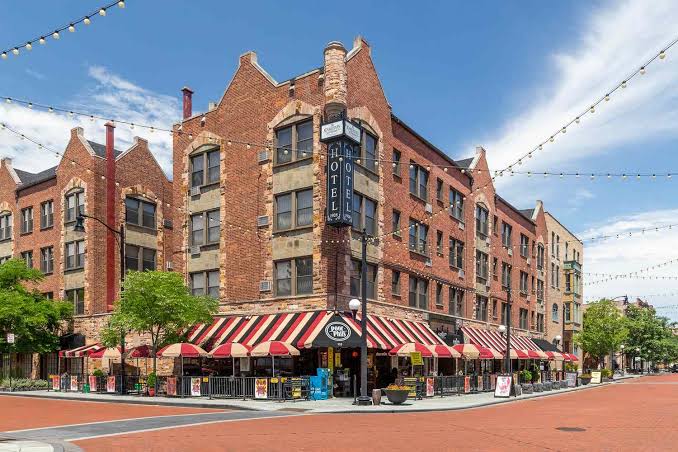
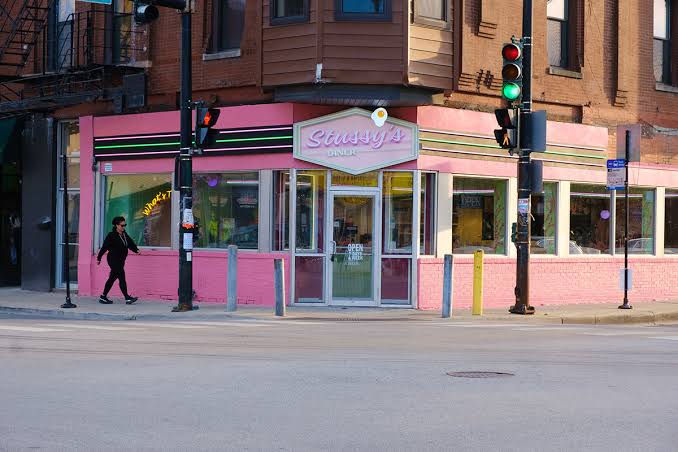
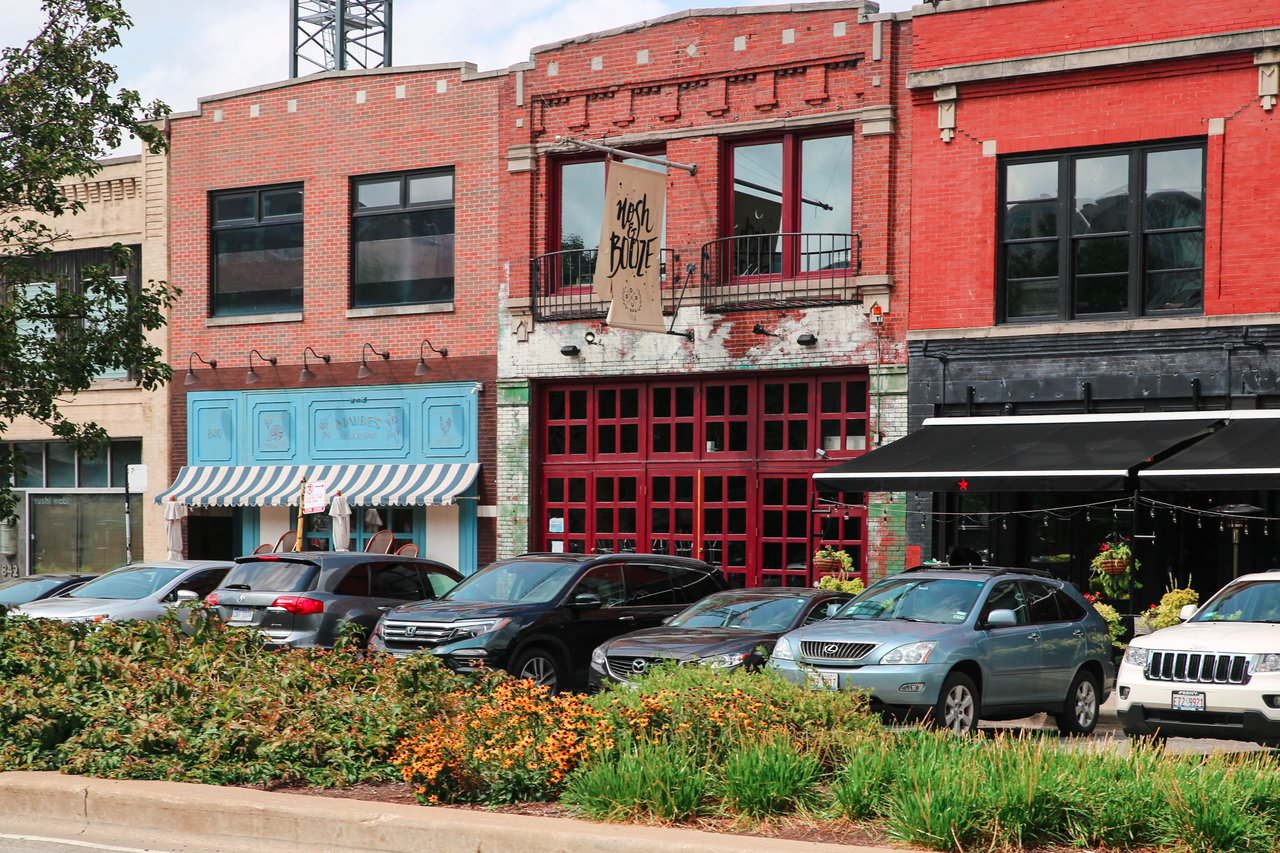
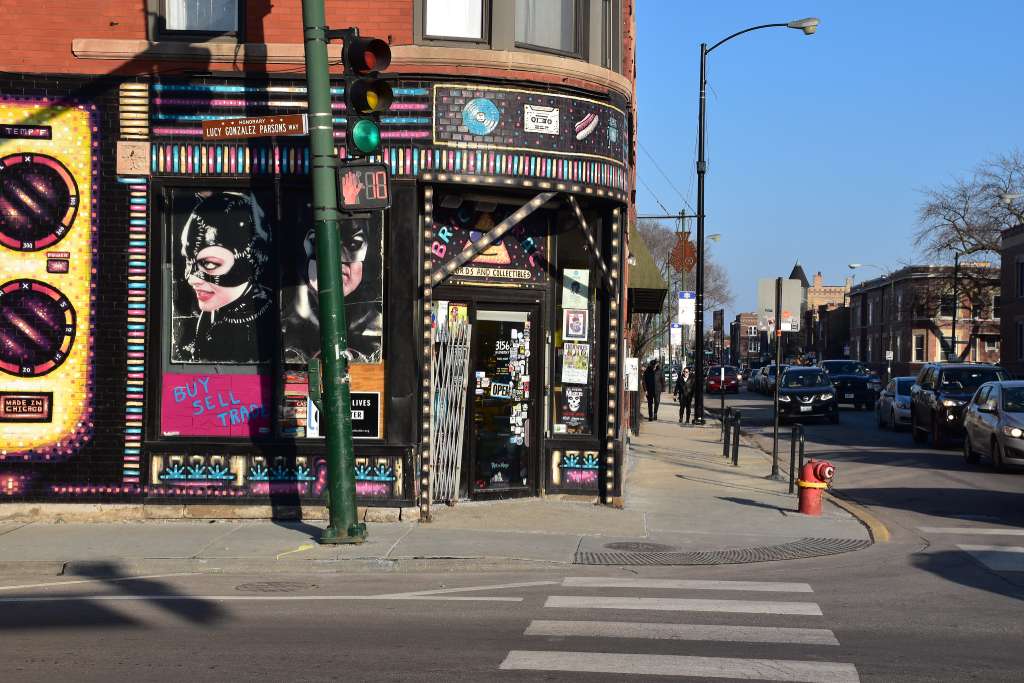
The commercial heart of Andersonville runs along North Clark Street, roughly from Foster Avenue to Bryn Mawr Avenue. What sets it apart is how independent it is. The Andersonville Chamber of Commerce actively supports local ownership, so national chains are rare. You'll find bookstores, vintage shops, bakeries, specialty food stores, and restaurants that have been around for years, many run by the people behind the counter.
For residents, that means Clark Street works as an everyday main street, not just a weekend destination. It also supports long-term property values. A commercial strip that draws people from across the city makes the surrounding residential blocks more desirable.
The food scene mixes long-running neighborhood institutions with newer, chef-driven spots.
Hopleaf is the neighborhood's best-known restaurant, with Belgian-style mussels and frites and a deep beer list. Big Jones serves heirloom Southern cooking, including scratch biscuits and fried chicken. Anteprima is a cozy Italian trattoria known for house-made pasta and a pleasant patio. Near Bryn Mawr, Little Bad Wolf draws crowds for its burgers and cocktails, and m. henry is one of the north end's go-to brunch spots.
For coffee and pastries, Lost Larson bakes Swedish-inspired breads and cardamom buns. Svea is a small, old-school diner serving Swedish breakfasts like lingonberry pancakes. In the evening, the area has a mix of cocktail bars, taprooms, and LGBTQ+-friendly lounges. Most of them are walkable from almost anywhere in the neighborhood.
Shopping on Clark Street leans toward curation, vintage, and local makers.
Women & Children First, founded in 1979, is one of the country's best-known independent feminist bookstores and a community gathering space with a strong selection of LGBTQ+ and children's titles. The Andersonville Galleria is a multi-level indoor market with booths for local artists, designers, and specialty food producers.
For home goods, Scout and Brimfield specialize in vintage furniture, antiques, and Americana decor. That's useful if you're furnishing a vintage condo and want pieces that suit it. Woolly Mammoth Antiques & Oddities is a curiosity shop full of taxidermy, old medical equipment, and unusual artifacts.
The Swedish American Museum is the neighborhood's main cultural institution. It covers Scandinavian immigration history, hosts rotating exhibits, and includes the Brunk Children's Museum of Immigration.
At the south end of the strip, the Chicago Magic Lounge sits behind a laundromat facade. It's a speakeasy-style theater offering close-up tableside magic, mainstage shows, and cocktails. Nearby, the Neo-Futurists, based near Foster and Ashland, perform The Infinite Wrench, a show that attempts 30 short original plays in 60 minutes.
Andersonville's events calendar is a big part of neighborhood life, and much of it is organized by the Chamber of Commerce.
Midsommarfest in mid-June is the signature event. It's a three-day street festival along Clark Street from Foster to Catalpa, with several music stages, vendors, Maypole dancing, and Scandinavian performances, and it draws tens of thousands of visitors. St. Lucia on December 13 brings a candlelit procession and Swedish caroling. Other recurring events include a summer restaurant crawl, an arts weekend in the fall, seasonal wine walks through local shops, and holiday late-night shopping with trolley rides along Clark. The Andersonville Farmers Market runs Wednesdays from May through October.
If you're buying near Clark Street, ask about festival weekends. Most residents enjoy them, but street closures, noise, and parking can affect blocks closest to the strip for a few days each year.
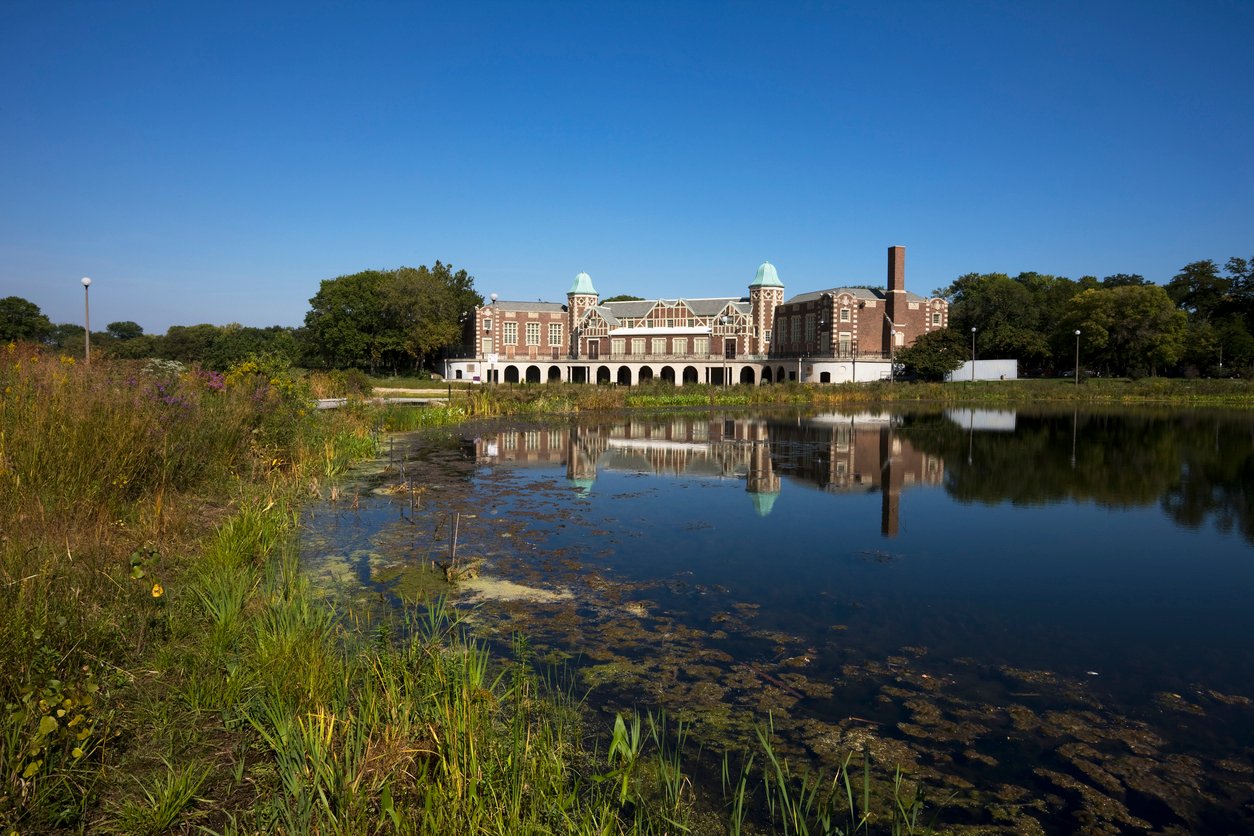
Andersonville is a dense neighborhood, so most residents rely on nearby parks and the lakefront for open space.
Winnemac Park, just west across the Ravenswood tracks, is the largest nearby park. It has athletic fields, a restored prairie, walking paths, and a playground. The historic Rosehill Cemetery to the northwest also offers quiet, tree-lined walks.
The lakefront is about a mile east. Foster Avenue Beach has a sandy beach and a dog-friendly area. Hollywood Beach (Kathy Osterman Beach) at about 5700 N is one of the North Side's most popular swimming beaches. Both connect to the Lakefront Trail, which runs more than 18 miles along the shoreline for running and biking.
Andersonville is served by Chicago Public Schools along with several private and independent options.
Peirce International Studies Elementary School (1423 W. Bryn Mawr Ave.) is the neighborhood K–8 school for much of Andersonville and offers the International Baccalaureate Primary Years Programme. Nicholas Senn High School (5900 N. Glenwood Ave.) is the neighborhood high school. It's an IB World School and is also home to the Senn Arts magnet program. Depending on the exact address, some blocks fall into different CPS attendance zones, so confirm any specific property through the CPS School Locator before you buy.
Private and independent options include the Chicago Waldorf School (5200 N. Ashland Ave.), which serves early childhood through Grade 12, and St. Matthias School in neighboring Lincoln Square.
Andersonville is one of the easiest North Side neighborhoods to live in without relying on a car.
Option | Where to Catch It | Best For |
|---|---|---|
CTA Red Line | Berwyn, Bryn Mawr, or Argyle stations | 24/7 service; about 20–25 minutes to the Loop |
Metra UP-North | Ravenswood station (Lawrence & Ravenswood) | About 15 minutes to Ogilvie; north to Evanston and the North Shore |
#22 Clark bus | Clark Street | 24/7 service through Lakeview and Lincoln Park to the Loop |
#92 Foster bus | Foster Avenue | East-west service with a connection to the Blue Line toward O'Hare |
#147 Outer Drive Express | Sheridan Road | Express service along Lake Shore Drive to Michigan Avenue |
The Red Line stations serving Andersonville were fully rebuilt as part of the CTA's Red and Purple Modernization project, so they now have elevators and wider platforms. For drivers, Lake Shore Drive is a few minutes east. Street parking on many residential blocks is managed through permit zones, which is worth checking if a home doesn't include a parking space.
Andersonville sits among several distinct neighborhoods, each worth exploring and each a reasonable alternative if inventory here is tight.
Edgewater surrounds Andersonville to the north and east and reaches the lake, offering high-rise living, beaches, and the Lakewood-Balmoral pocket. Uptown to the south is Chicago's historic entertainment district, home to the Green Mill, the Riviera Theatre, the Aragon Ballroom, and the Asia on Argyle corridor. Ravenswood to the west is quieter and leafier, with breweries and distilleries along Malt Row. Lincoln Square to the southwest has a similar independent, historic feel, with a pedestrian plaza and German heritage.
Buying or selling in Andersonville takes more than knowing the averages. You need to understand why one courtyard condo sells faster than the one next door, how an association's finances affect value, and which blocks buyers compete hardest for. Jen Romolo has worked in Chicago real estate since 2011 and leads the Romolo Group at @properties | Christie's International Real Estate. She has closed more than 440 sales, has ranked in the top 1.5% of Chicagoland brokers since 2021, is recognized annually as a Chicago Association of REALTORS® Top Producer, and was voted Best Realtor in the Chicago Reader's Best of Chicago 2025. She also owns and manages property in Chicago, so she's made many of the same decisions she advises clients on. The Romolo Group is intentionally small, which means Jen works with you directly from your first conversation through closing. If you're thinking about a move in Andersonville, call (847) 826-1253 or email [email protected] for a direct, honest opinion on what she'd do in your position.
There's plenty to do around Andersonville, including shopping, dining, nightlife, parks, and more. Data provided by Walk Score and Yelp.
Explore popular things to do in the area, including 327 Hair Studio.
There's plenty to do around Andersonville, including shopping, dining, nightlife, parks, and more. Data provided by Walk Score and Yelp.
Explore popular things to do in the area, including 327 Hair Studio.
Andersonville has 3,557 households, with an average household size of 2. Data provided by the U.S. Census Bureau. Here’s what the people living in Andersonville do for work — and how long it takes them to get there. Data provided by the U.S. Census Bureau. 6,891 people call Andersonville home. The population density is 21,130 and the largest age group is Data provided by the U.S. Census Bureau.
Total Population
Population Density Population Density This is the number of people per square mile in a neighborhood.
Median Age
Men vs Women
Population by Age Group
0-9 Years
10-17 Years
18-24 Years
25-64 Years
65-74 Years
75+ Years
Education Level
Total Households
Average Household Size
Average individual Income
Households with Children
With Children:
Without Children:
Blue vs White Collar Workers
Blue Collar:
White Collar:
1875 N DAMEN AVE CHICAGO IL 60647
1875 N DAMEN AVE CHICAGO IL 60647